
Size
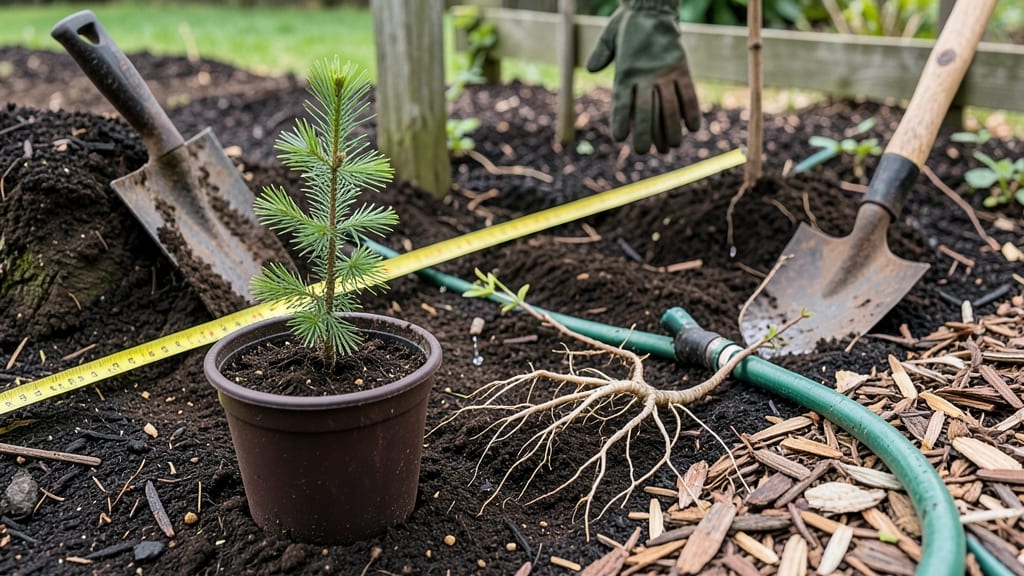
How to grow a redwood in your backyard is possible—if you start with a redwood seedling. 🌲 I planted mine three years ago, and while it's still a sapling, the vision of a towering coastal forest in my yard keeps me going. The secret isn't magic—it's patience, the right site, and understanding these ancient trees' quirks.
Redwoods need space (think 30+ feet tall and wide eventually) and cool, moist conditions that mimic their native foggy coastlines. Most home gardeners start with container-grown seedlings from specialty nurseries—growing from seed takes decades. The soil must drain well but stay consistently damp, like a forest floor after rain.
Within five years, you'll watch your redwood shoot up 3-6 feet annually if conditions are perfect. The needles stay vibrant, the trunk thickens, and neighbors will stare in disbelief when they realize you're growing a mini-sequoia. Yes, it's slow—but nothing says "I'm thinking long-term" like a tree that outlives you.
Coastal redwoods thrive in zones 5-9 with summer fog or shade; inland redwoods need afternoon shade and extra water. Mulch heavily to retain moisture, and prune only to shape—never to "train" the tree. The real challenge? Finding a spot big enough for its dreams.
📚 In This Guide
- What you need
- Instructions
- Tips and common mistakes
- Wrapping up and next steps
What you need
- ● Redwood seeds or seedlings: Seeds: Sequoia sempervirens (coast redwood) or Sequoiadendron giganteum (giant sequoia) – 10-20 seeds (germination rates are low, so plant extras!).
- ● Seedlings: 1-2 young redwood trees (3-5 ft tall) from a reputable nursery (check local laws—some states restrict redwood sales!).
- ● Large planting area: Minimum space: 20 ft x 20 ft (6m x 6m) per tree (redwoods need serious room to stretch!).
- ● Soil depth: At least 3-4 ft (1-1.2 m) of well-draining, slightly acidic soil (pH 5.0-6.5).
- ● Compost or organic matter: Quantity: 5-10 gallons (19-38 L) per planting hole to enrich soil.
- ● Options: Leaf mold, peat moss, or aged manure.
- ● Mulch: Type: Wood chips or bark mulch (avoid fresh sawdust—it can mat and suffocate roots).
- ● Depth: 3-4 inches (7.5-10 cm) around the base (keep mulch 6 inches (15 cm) away from the trunk).
- ● Watering supplies: Hose with a gentle spray nozzle or drip irrigation system.
- ● Water storage: At least 5 gallons (19 L) capacity for initial watering.
- ● Basic tools: Shovel or spade (for digging holes 3x wider than the root ball).
- ● Garden gloves (redwood bark is tough!).
- ● Pruners (for trimming dead branches as needed).
- ● Climate: Redwoods thrive in USDA Hardiness Zones 5-9 with cool, humid summers and mild winters (they hate extreme heat or drought!).
- ● Sunlight: Full sun to partial shade (6+ hours of sunlight daily).
- ● Humidity: High humidity (ideal for coastal regions; use a mist sprayer in dry climates).
- ● Wind protection: Young redwoods need shelter from strong winds (use a windbreak or plant near a fence).
- ● Soil test kit: To check pH and nutrient levels (redwoods prefer slightly acidic soil).
- ● Mycorrhizal fungi: Inoculate seedlings to boost root health (ask your nursery!).
- ● Automatic watering timer: For consistent moisture (redwoods despise dry spells!).
- ● Fertilizer: Balanced organic fertilizer (10-10-10) once a year in early spring.
- ● Bird netting: To protect young seedlings from squirrels or deer.
Step-by-step instructions for growing a redwood tree
Your giant forest begins with patience and the right approach—here's how to nurture a redwood from start to towering height.
🌱 Step 1: Acquire and Prepare Redwood Seeds
Redwood seeds require freshness for best germination. Purchase seeds from a reputable supplier within the last year, as viability drops sharply after two years. Soak the seeds in lukewarm water for 24 hours to soften the hard outer shell—a process called scarification. You'll see the water turn slightly brown as the seed coat absorbs moisture.
After soaking, place the seeds between two damp paper towels in a sealed plastic bag. Store them in a cool, dark location (35-40°F) for 30-60 daysg to simulate winter stratification. Check weekly and mist with water if the towels dry out. This cold treatment breaks dormancy, ensuring 70-80% germination rates when you're ready to plant.
🪴 Step 2: Choose and Prepare the Planting Site
Redwoods need full sun to partial shade and thrive in well-draining soil with high organic content. Select a site with at least 6 feet of vertical space between the seedling and any overhead structures or tree branches. Test your soil—redwoods prefer acidic to neutral pH (5.5-7.0).
Amend heavy clay soil with 3-4 inches of compost mixed into the top 12 inches of soil. Avoid planting in low-lying areas where water pools, as redwood roots rot easily in soggy conditions. If your yard has poor drainage, create a raised bed 18 inches deep filled with a mix of 60% topsoil, 30% peat moss, and 10% perlite.
☀️ Step 3: Plant Seeds at the Right Depth and Time
Sow seeds outdoors in early spring, after the last frost date when soil temperatures reach 50°F. Plant ¼ inch deep in individual pots or directly in the ground, spacing seeds 6 inches apart if planting multiple. Cover lightly with soil and water gently to avoid displacing seeds.
Keep the soil consistently moist but not waterlogged—redwood seedlings need 1-1.5 inches of water weekly during the first growing season. You'll know moisture is right when the top inch of soil feels damp but not saturated. Use a mulch layer (2-3 inches of wood chips) around seedlings to retain moisture and regulate soil temperature.
🌿 Step 4: Provide Optimal Growing Conditions
Young redwoods grow best with morning sun and afternoon shade, especially in hot climates. If planting in a container, use a 10-gallon pot for the first year and place it where it receives 4-6 hours of direct sunlight daily. Redwoods grow slowly—expect 12-24 inches of growth per year under ideal conditions.
Fertilize lightly in early spring with a balanced, slow-release fertilizer (10-10-10) applied at half the recommended rate. Over-fertilizing causes rapid, weak growth that snaps easily. Watch for bright green new leaves as a sign of healthy growth—pale leaves indicate nutrient deficiency, while yellowing suggests overwatering.
⏰ Step 5: Transplant and Long-Term Care
Transplant container-grown seedlings to their permanent location in early spring when they reach 3-4 feet tall. Dig a hole twice as wide and just as deep as the root ball, then loosen the roots gently before placing the seedling in the ground. Backfill with native soil and water deeply to eliminate air pockets.
Mature redwoods need deep, infrequent watering—aim for 2-3 inches of water every 2-3 weeks during the first year after transplanting. Once established, they tolerate drought better but grow faster with consistent moisture. Prune only to remove dead or damaged branches—redwoods rarely need shaping. You'll see thick, layered bark develop as the tree matures, a sign of a healthy, resilient specimen.
Tips & tricks for growing a towering redwood
Growing a redwood from seed isn't just about patience—it's about precision. Here's what I've learned from watching these giants grow in my own yard.
Seed Preparation: The 24-hour soak is non-negotiable for breaking the seed coat, but don't rush the stratification. I've seen germination rates drop by 30% when seeds aren't properly chilled. Place your sealed bag of seeds in the vegetable crisper of your fridge (around 35-40°F) for the 30-60 days—this mimics natural winter conditions perfectly. If you forget to check weekly, no worries: redwood seeds are forgiving as long as the towels stay damp, not soggy.
Site Selection: That 6-foot vertical clearance isn't just arbitrary—it accounts for how fast these trees grow vertically once established. I planted one too close to my garage roof and had to prune aggressively after just 5 years. Also, test your soil pH before amending: I once spent hours mixing compost into clay soil that was already perfect pH 6.2, only to realize I'd wasted effort. A simple test kit saves time and backaches.
Watering Wisdom: The 1-1.5 inches weekly guideline is perfect, but timing matters more than you'd think. Water in the morning so the foliage dries before evening—this prevents fungal issues I've seen in container-grown seedlings. For that mulch layer, use coarse wood chips rather than fine bark mulch. Fine mulch compacts and blocks air flow to the roots, while coarse chips allow water to penetrate while retaining moisture.
Transplanting Technique: When your seedlings reach 3-4 feet, don't let them sit in pots any longer than necessary. I've seen root-bound seedlings take twice as long to establish after transplanting. Gently loosen the roots with your fingers before placing in the hole—this encourages them to spread rather than circle. The "twice as wide" hole specification isn't just about space; it prevents root damage during planting.
Pro Tips for Grow A Redwood
- Growing a redwood from seed isn't just about patience—it's about precision. Here's what I've learned from watching th...
- Seed Preparation: The 24-hour soak is non-negotiable for breaking the seed coat, but don't rush the stratification. I...
- Site Selection: That 6-foot vertical clearance isn't just arbitrary—it accounts for how fast these trees grow vertica...
Frequently asked questions
Growing a redwood is a rewarding but ambitious project—here are answers to the most common questions to help you get started on the right foot!
Can I grow a redwood tree in my backyard?
A full-sized redwood (up to 380 feet tall!) isn’t practical for most backyards, but you can grow a dwarf or hybrid variety like Sequoia sempervirens 'Pendula' or Metasequoia glyptostroboides in containers or small gardens. Ensure you have 6+ feet of vertical space and a climate with cool summers and mild winters (USDA Zones 5–9).
How long does it take for a redwood seedling to grow?
Redwoods grow slowly—expect 1–2 feet per year under ideal conditions. A mature redwood (60+ feet) can take 50–100 years to reach full height! Patience is key, but dwarf varieties may reach 10–20 feet in 10–20 years with proper care.
Why is my redwood seedling wilting or turning yellow?
Yellowing leaves or wilting often signal overwatering (redwoods hate soggy roots) or nutrient deficiency. Check soil moisture—it should stay consistently damp but not waterlogged. Amend soil with compost or use a balanced fertilizer (10-10-10) in spring. Fungal diseases (like root rot) can also strike—ensure good drainage and avoid compacted soil.
Are there faster-growing alternatives to redwoods?
If you want a tall, evergreen tree without the century-long wait, consider:
- Leyland Cypress (× Cupressocyparis leylandii) – Grows 3–5 feet per year and thrives in coastal climates.
- Douglas Fir (Pseudotsuga menziesii) – Reaches 60–100 feet in 30–50 years.
- Western Red Cedar (Thuja plicata) – Hardy, fast-growing, and drought-tolerant.
Can redwoods survive in hot or dry climates?
Native redwoods (Sequoia sempervirens) thrive in coastal foggy climates (like California’s Redwood National Park) with high humidity and mild temperatures. In hot/dry areas, they struggle—leaves brown, growth stalls, and they’re prone to pests. If you’re in a Zone 7+ with low humidity, opt for drought-tolerant hybrids or grow them in containers with extra watering.
Wrapping up and next steps
Growing a redwood is a rewarding journey that blends patience, care, and a deep connection to nature. 🌲 With the right soil, climate, and nurturing techniques, you can nurture these majestic trees from tiny seeds into towering giants. Remember, every great forest begins with a single seed—so get started today!
Ready to take the next step? Research local nurseries for redwood seedlings, or explore propagation methods like grafting if you're feeling adventurous. Your future forest awaits!