Picking
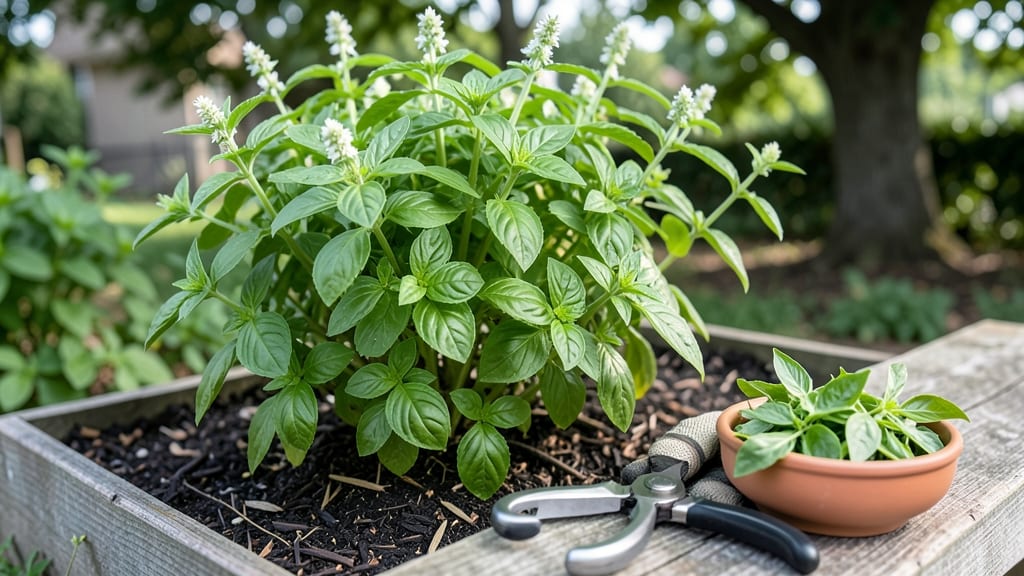
Six weeks from seed to your first harvest—this is how you grow basil that tastes like a real Italian market. 🌿 I've learned the hard way that basil needs sunlight, warmth, and consistent care to avoid that bitter, leggy disappointment.
The secret isn't complicated: it's matching the plant's needs to your growing conditions, whether you're working with a sunny windowsill or a backyard plot.
Start with fresh seeds or sturdy seedlings in well-draining soil, and give them at least 6-8 hours of sunlight daily. Water when the top inch feels dry, but never let them sit in soggy soil—that's how you lose plants.
Prune regularly to encourage bushy growth, and watch for pests like aphids before they get out of hand. With these basics, you'll have fragrant, vibrant plants ready for harvesting in just 6 weeks.
Harvesting is where the magic happens—cut stems just above a leaf pair to keep the plant producing. Avoid letting flowers form, or you'll sacrifice flavor and yield. By following this method, you'll get continuous harvests all season long, with leaves that stay tender and aromatic.
The best part? You'll never need to buy basil again.
Whether you're growing in pots on a balcony or directly in garden beds, this approach works for any space. The key is consistency—light, water, and pruning. Once you master it, you'll have fresh basil for pesto, salads, and cooking whenever you want. Let's get those seeds started!
📚 In This Guide
- What you need
- Instructions
- Tips and common mistakes
- Wrapping up and next steps
What you need
- ● Basil seeds or seedlings: Choose Genovese, Sweet, or Thai basil varieties based on your needs (pesto, cooking, or Thai dishes). If starting from seeds, buy fresh, high-quality seeds (10–20 seeds for a small garden or 50+ for larger batches).
- ● Containers or garden space: Containers: 6–12-inch pots (1–2 plants per pot) with drainage holes. Opt for lightweight materials like terracotta or fabric grow bags.
- ● Garden beds: Full sun (6+ hours/day) and well-draining soil. Basil hates soggy roots!
- ● Potting mix: High-quality, sterile seed-starting mix or well-draining potting soil (avoid garden soil—it compacts too easily). A 5-gallon bag covers 2–3 pots.
- ● Watering can or spray bottle: A gentle spray nozzle helps avoid disturbing seedlings.
- ● Fertilizer: Balanced, water-soluble fertilizer (5-5-5 or 10-10-10 NPK ratio). Dilute to half-strength for young plants.
- ● Pruning shears or clean scissors: Sharp tools prevent tearing leaves during harvesting.
- ○ Gloves: Optional but helpful if you’re sensitive to soil or thorns (like in Thai basil).
- ● Mulch or straw: Helps retain moisture and suppress weeds in garden beds.
- ○ Grow lights (optional): If growing indoors with less than 6 hours of sunlight, use full-spectrum LEDs 12–16 inches above plants (12–14 hours/day).
- ● Trellis or stakes (for bushier varieties): Supports sprawling types like Genovese basil.
- ● Temperature: Ideal range is 70–80°F (21–27°C). Basil bolts (goes to seed) in heat over 90°F (32°C).
- ● Humidity: Basil loves 50–70% humidity. Use a humidity tray or mist leaves if air is dry.
- ● Sunlight: 6+ hours of direct sunlight daily (south-facing windows or outdoor full sun).
Step-by-step instructions for growing and harvesting basil
Here's my go-to method for growing basil that's ready for pesto in just six weeks.
🌱 Step 1: Start Seeds Indoors or Buy Healthy Starters
Basil seeds germinate best at 70-75°F, so I start mine indoors 6-8 weeks before the last frost date. Fill small seed trays with sterile seed-starting mix and sow seeds ¼ inch deep, spacing them ½ inch apart. Keep the soil consistently moist but never soggy—you'll see tiny sprouts in 7-14 days.
If you prefer starters, look for healthy plants with bright green leaves and no yellowing. Avoid leggy seedlings—they're a sign of weak light exposure. I always harden off seedlings for 5-7 days before planting outdoors to prevent shock.
☀️ Step 2: Plant in Warm Soil After Frost
Basil thrives in full sun (6+ hours daily) and warm soil. Wait until nighttime temperatures stay above 50°F—cold soil stunts growth. Plant seedlings 12-18 inches apart in well-draining soil rich in organic matter. If planting multiple pots, use 6-inch containers with drainage holes.
Water deeply at planting to settle the soil, then let the top inch dry out between waterings. Basil roots are shallow, so I use a gentle watering can to avoid disturbing them. Mulch around plants with 1 inch of straw to retain moisture and keep roots cool.
💧 Step 3: Maintain Consistent Moisture and Fertility
Basil hates dry soil—drooping leaves mean it's thirsty. Water at the base when the top 1 inch feels dry, and avoid wetting the foliage to prevent fungal diseases. Every 3-4 weeks, feed plants with a balanced liquid fertilizer (like 10-10-10) diluted to half-strength.
Pinch off any flowers that form—they signal the plant to stop producing leaves. Regular pruning encourages bushier growth. I always snip just above a set of leaves to promote new side shoots. Watch for pests like aphids; blast them off with water if you spot them early.
✂️ Step 4: Harvest for Pesto When Leaves Are Mature
Harvest basil when leaves reach 3-4 inches long—this is prime pesto flavor. Use clean scissors to cut stems just above a leaf node (the point where leaves attach). This encourages the plant to branch out and produce more leaves. Avoid harvesting more than ⅓ of the plant at once to keep it productive.
For continuous harvests, pick leaves every 2-3 weeks throughout the growing season. Basil grows best in warm weather, so in cooler climates, bring pots indoors before frost. With proper care, one plant yields enough for 4-6 pesto batches over its lifetime.
Tips & tricks for perfect basil growth
Real talk: Growing basil that thrives for pesto isn't just about planting seeds—it's about understanding the little details that make all the difference.
Temperature Matters: That 70-75°F range for germination isn't just a suggestion—it's crucial. I use a simple seedling heat mat ($15 at garden centers) to maintain consistent warmth. If your home runs cooler, place trays on top of the fridge or near a sunny window. Cold soil stunts growth, so never let temperatures dip below 65°F during the germination phase.
Hardening Off is Non-Negotiable: Skipping the 5-7 day hardening process is how you end up with stressed plants. Start by placing seedlings outside for just 1 hour on day one, then gradually increase time each day. Watch for wilting—this means they're not ready yet. The goal is to toughen them up so they can handle outdoor conditions without shock.
Sunlight Strategy: Basil needs that full 6+ hours of sun daily, but intense afternoon sun can scorch tender leaves. I place my plants where they get morning sun and afternoon shade, especially in hot climates. If growing in pots, rotate them every few days so all sides get even light exposure—this prevents lopsided growth.
Harvesting Hack: When leaves reach 3-4 inches, cut stems at a 45-degree angle just above a leaf node. This simple technique encourages bushier growth and prevents the plant from becoming leggy. I always harvest in the morning when essential oils are most concentrated—this gives your pesto that signature bright flavor.
Pro Tips for Grow And Harvest Basil
- Real talk: Growing basil that thrives for pesto isn't just about planting seeds—it's about understanding the little details that make all the difference.
- Temperature Matters: That 70-75°F range for germination isn't just a suggestion—it's crucial.
- Hardening Off is Non-Negotiable: Skipping the 5-7 day hardening process is how you end up with stressed plants.
Frequently asked questions
Got questions about growing and harvesting basil? You’re not alone! Here are answers to the most common queries to help you cultivate a thriving basil plant—perfect for pesto, salads, and more.
How often should I water my basil plant?
Basil loves consistent moisture but hates soggy roots. Water when the top inch of soil feels dry—usually every 2–3 days in warm weather. Pro tip: Use a saucer to catch excess water and avoid overwatering, which can lead to root rot.
When is the best time to harvest basil?
Harvest young leaves (2–3 inches tall) for the best flavor, or wait until the plant is 6–8 inches tall for a full harvest. Morning is ideal—leaves are crisp and packed with flavor. Pro tip: Never take more than ⅓ of the plant at once to encourage regrowth!
Can I grow basil indoors without sunlight?
Yes! Place your basil near a south-facing window or use a grow light (12–16 hours/day). If natural light is weak, supplement with a full-spectrum LED bulb. Rotate the pot weekly for even growth.
Why are my basil leaves turning yellow or curling?
Yellow leaves often mean overwatering or poor drainage. Curling could signal pests (aphids/spider mites) or heat stress. Check soil moisture, inspect undersides of leaves, and move the plant to a shadier spot if needed.
How do I save basil before the first frost?
Harvest leaves before frost hits, then store in the fridge (wrap in a damp paper towel) for up to 1 week. For long-term storage, dry or freeze leaves—try freezing in olive oil for pesto! Alternatively, grow basil in containers and bring them indoors before cold weather.
Wrapping up and next steps
Growing and harvesting basil is simpler than you think—just give it sunlight, love, and a little patience! 🌱 With the right soil, watering routine, and pruning techniques, you’ll enjoy a bountiful harvest in no time.
Whether you’re whipping up fresh pesto or savoring homegrown flavors, your basil garden is a rewarding (and delicious) project.
Ready to take the next step? Start small—try a few pots on your windowsill or balcony, and soon, you’ll be the proud chef of your own basil harvest. Happy growing! 🌿