
Propagation
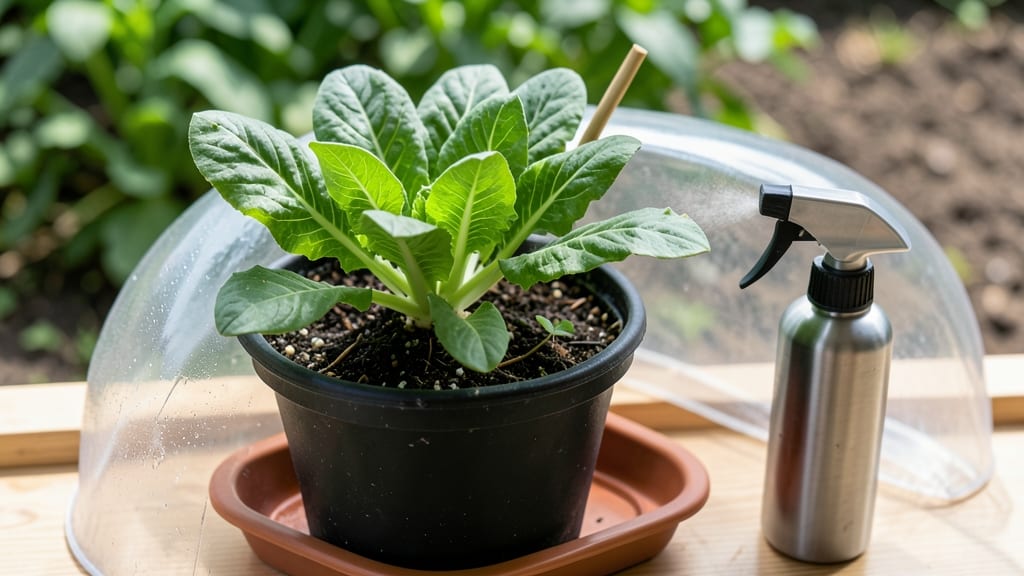
How to grow romaine lettuce from the core—it’s easier than you think, and that store-bought stump is packed with potential. 🌱 I’ve regrown lettuce from store-bought cores for years—no special skills required, just patience and a sunny windowsill. The trick? Cutting the core right, keeping it hydrated, and avoiding the two mistakes that kill regrowth before it starts.
You’ll need just three things: the core itself, a shallow container of water, and a spot with bright, indirect light. Most people overlook the water change—stagnant water breeds bacteria, not lettuce. My first attempt failed because I didn’t refresh the water every 24 hours.
Within 5-7 days, you’ll see tiny leaves unfurling, and in 2-3 weeks, you’ll have enough to snack on.
The payoff is fresh, crunchy lettuce that tastes better than anything you’ve bought. It’s perfect for small spaces, budget gardeners, or anyone tired of wilted store greens. Plus, the process teaches you how plants regenerate—useful knowledge for propagating other veggies too.
Fair warning: romaine can be finicky. If the water gets too cold or the core dries out, it’ll rot before sprouting. But when it works? You’ll have a steady supply of homegrown greens without spending a dime. Let’s get that core growing!
📚 In This Guide
- What you need
- Instructions
- Tips and common mistakes
- Wrapping up and next steps
What you need
- ● Romaine lettuce core: A fresh, organic romaine head (preferably with at least 1–2 inches of the base intact). Avoid wilted or overly dry cores!
- ● Shallow container: A bowl (ceramic or glass), shallow tray, or even a repurposed takeout container (6–8 inches wide). Ensure it has drainage holes if using water.
- ● Water: Room-temperature or slightly warm water (1–2 cups, depending on container size). Tap water is fine, but avoid chlorinated water—let it sit out for 24 hours if needed.
- ● Knife or scissors: For trimming the core cleanly (a sharp chef’s knife works best).
- ● Paper towels or clean kitchen towel: To pat dry the trimmed base and absorb excess moisture.
- ● Sunlight or grow light: A sunny windowsill (6+ hours of indirect light daily) or a small LED grow light (12–16 hours/day if indoors).
- ● Pebbles or gravel: A handful to place in the container’s bottom for drainage if growing in water.
- ● Organic fertilizer: A pinch of seaweed extract or liquid fertilizer (diluted to half-strength) to boost growth after 3–4 days.
- ● Spray bottle: For misting leaves if the air is dry (romaine loves humidity!).
- ● Notebook: To track progress—like a tiny gardening journal! 📖✨
Step-by-step instructions for growing romaine lettuce from the core
Here’s how to turn a store-bought core into fresh, crisp romaine in just days—no soil required.
💧 Step 1: Prep the Core for Regrowth
Start by rinsing the romaine core under cool water to remove any residue. Trim off the dried outer leaves—you want only the crisp, white base with attached leaf stubs. Cut the core in half lengthwise if it’s too thick (this speeds up moisture absorption).
Place the trimmed core in a shallow dish or bowl with about ½ inch of water—just enough to cover the cut end. The water should touch the base but not submerge the leaf stubs. Here’s the thing: if the core floats, it’s not absorbing water properly. Add a small weight, like a pebble, to keep it steady.
☀️ Step 2: Position for Light and Airflow
Set the dish in a spot with bright, indirect light—like a sunny windowsill or under a grow light. Romaine needs 4-6 hours of light daily to grow straight and crisp, but direct sun can scorch new leaves. You’ll see tiny green sprouts in 3-5 days if conditions are right.
Change the water every 2 days to prevent bacteria buildup. The water should stay fresh and clear—if it smells or looks cloudy, dump it and rinse the core before refilling. A fan on low breeze helps prevent mold, but keep it away from direct airflow.
🌱 Step 3: Harvest New Leaves as They Emerge
Once new leaves reach 2-3 inches tall, they’re ready to eat! Use clean scissors to snip individual leaves at the base—this encourages more growth. Avoid cutting the core itself, as it’s the regrowth engine. You’ll get 4-6 harvests before the core weakens.
For extra flavor, add a pinch of sea salt or a splash of apple cider vinegar to the water. I’ve found this trick boosts crispness and slows bitterness. Store-bought romaine often tastes bland, but homegrown? It’s a game-changer.
⏰ Step 4: Extend the Process with a Soil Transfer (Optional)
If you want more harvests, transfer the core to moist potting mix after 2 weeks. Plant it 1 inch deep in a small pot with drainage, keeping the top of the core exposed. Water lightly to keep soil damp but not soggy.
Place the pot in bright light and harvest leaves as before. Soil-grown romaine lasts longer and tastes richer, but the water method is faster and mess-free. Either way, you’ll have fresh greens in under a week!
Tips & tricks for perfect romaine lettuce regrowth
Here's what nobody tells you about growing crisp romaine from store-bought cores—tricks that'll make your regrowth foolproof.
Water Level Precision: The ½-inch water guideline is non-negotiable for healthy regrowth. Too little water means the core won't absorb enough moisture, while too much can cause rot. I use a clear container so I can easily check the water level stays consistent—just below the leaf stubs. If you notice the core floating, it's not absorbing properly, and you'll need to adjust the water amount or add a small weight.
Light Source Strategy: That 4-6 hours of light is crucial, but placement matters just as much. I've found that placing the dish on an east-facing windowsill gives perfect morning sunlight without the harsh afternoon sun. If you're using artificial light, keep it about 6 inches above the core—closer than that can cause the leaves to grow leggy and weak. Rotate the dish daily so all sides get even exposure.
Harvesting Technique: When those 2-3 inch leaves appear, resist the urge to cut everything at once! Snipping just the outer leaves encourages the core to produce more growth. I use sharp kitchen scissors sterilized with rubbing alcohol to prevent introducing bacteria. Always cut at the base of the leaf, never the core itself—this keeps the regrowth engine intact for multiple harvests.
Soil Transfer Timing: The 2-week mark for soil transfer is ideal because by then the core has established strong roots in water. When transferring, I make sure to gently shake off excess water from the roots before planting—this prevents waterlogged soil which can cause rot. The 1-inch depth is perfect because it keeps the core stable while allowing the leaves to grow upward freely.
Pro Tips for Grow Romaine Lettuce From The Core
- Here's what nobody tells you about growing crisp romaine from store-bought cores—tricks that'll make your regrowth fo...
- Water Level Precision: The ½-inch water guideline is non-negotiable for healthy regrowth. Too little water means the ...
- Light Source Strategy: That 4-6 hours of light is crucial, but placement matters just as much. I've found that placin...
Frequently asked questions
Got questions about regrowing romaine lettuce from the core? You’re not alone! Here are answers to the most common queries to help you succeed in your kitchen garden.
Can I regrow any type of lettuce from the core?
Not all lettuce varieties work for regrowth. Romaine, butterhead, and some loose-leaf lettuces (like Bibb or Boston) are the best choices because their cores stay sturdy. Avoid iceberg or crisphead lettuces—they lack the necessary growth potential. Always check the label or do a quick Google search to confirm!
How long does it take for new leaves to appear?
With the right conditions (moisture, light, and warmth), you’ll see tiny new leaves in 3–5 days and harvestable greens in 1–2 weeks. Patience is key—don’t rush it! If growth stalls, check your water or light setup.
What if my romaine core rots instead of growing?
Rot is usually a sign of too much water or poor drainage. Let the core dry slightly between waterings (keep the base damp, not soggy), and ensure your container has drainage holes. If mold appears, trim the affected area and rinse the core with a 1:10 hydrogen peroxide-to-water solution to prevent spread.
Can I regrow romaine without sunlight?
While romaine loves 6+ hours of indirect sunlight daily, you can try a sunny windowsill or a grow light (12–14 hours/day) if natural light is limited. Growth will be slower, but it’s possible! Just keep the core hydrated and rotate it occasionally for even exposure.
How many times can I harvest from one core?
With proper care, a single romaine core can yield 2–3 harvests before the center becomes woody or stops producing. After the third trim, compost the core—it’s spent its regrowth potential! Each harvest should leave about 1–2 inches of stem to encourage new growth.
What if my regrown lettuce tastes bitter?
Bitterness often happens when lettuce gets too much light or heat. Move your container to a cooler, shadier spot (like an east-facing window) and harvest leaves before they fully mature. Young, tender leaves are milder and sweeter!
Wrapping up and next steps
Growing romaine lettuce from the core is a simple, rewarding, and eco-friendly way to enjoy fresh greens without breaking the bank! With just a few basic supplies and a little patience, you can transform a store-bought core into a thriving plant in days.
Whether you're a beginner gardener or a seasoned green thumb, this method proves that sustainability starts in your own kitchen.
Now that you’re equipped with the know-how, why not try it today? Grab that leftover romaine core, follow the steps, and watch your kitchen counter—or balcony—transform into a mini garden. Next, experiment with other leafy greens like cabbage or celery—you’ll be amazed at what you can regrow!