
How To
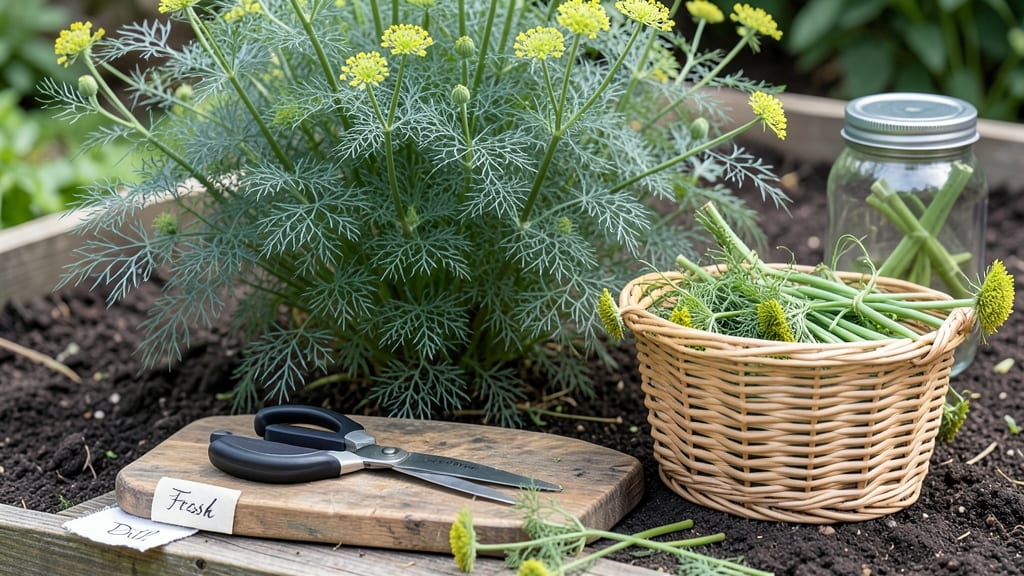
When and how to harvest dill for maximum flavor
Timing is everything when harvesting dill—cut too early, and the flavor is mild; wait too long, and it becomes bitter. For leafy dill, harvest when plants reach 6-12 inches tall with fully developed but tender leaves.
This usually happens 45-60 days after sowing. If you're after dill seeds, wait until the plant flowers and seed heads turn brown, typically 75-90 days after planting.
Use clean, sharp pruning shears or a knife to avoid crushing stems. Cut just above a leaf node to encourage new growth. For a continuous harvest, trim outer stems first, leaving the center intact.
This method keeps your dill bushy and productive for weeks—ideal if you're growing it for fresh use.
Morning is the best time to harvest—dill is crispest and most flavorful after a night's rest. Avoid harvesting after rain or late in the day, as excess moisture can lead to wilting or mold during storage.
If your dill wilts before use, place stems in a glass of cool water for 1-2 hours to revive it before storing.
Never harvest more than one-third of the plant at once. Over-harvesting stresses dill and can stunt growth.
If you're growing dill for both leaves and seeds, prioritize leaf harvests early in the season, then let some stems flower for seed production. Dill seeds are perfect for pickling or baking—just dry them completely before storage.
Pro tip: Label your dill plants if you're growing multiple varieties. Some, like Bouquet dill, are bushier and better for leaves, while Fernleaf dill produces more seeds. Knowing your variety helps you harvest strategically for your needs.
Step-by-Step Dill Harvesting Guide
- Check maturity: Wait until dill reaches 6-12 inches with tender leaves (for leaf harvest) or brown seed heads (for seeds).
- Use sharp tools: Grab pruning shears or a clean knife to avoid crushing stems.
- Trim strategically: Cut just above a leaf node to encourage regrowth. Avoid the center stem.
- Harvest in morning: Pick after dew dries (typically 8-10 AM) for crispest flavor.
- Revive wilted dill: Place stems in cool water for 1-2 hours to restore freshness before storage.
- Label varieties: Note if harvesting for leaves or seeds to avoid over-picking.
After harvesting, rinse dill gently under cool water to remove dirt but avoid soaking, which speeds up wilting. Pat dry with a paper towel or clean kitchen towel—excess moisture is the enemy of long-term storage.
For immediate use, store dill in the fridge (see next section for best methods). If you're drying or freezing, act quickly to lock in flavor.
Dill is bolting-sensitive—once it flowers, leaves become bitter. If your plant starts flowering unexpectedly, harvest all remaining leaves within 2-3 days to use them before bitterness sets in. Save a few stems for seeds if you plan to grow dill again next year!
For large harvests, tie stems into small bundles and hang them upside down in a dry, dark place (like a pantry) for 1-2 weeks to dry.
Once completely dry, strip leaves from stems and store in airtight containers for up to 6 months. This method preserves dill’s flavor far longer than refrigeration.
Remember: Fresh dill is best used within 5-7 days of harvest, even with proper storage. For long-term use, drying or freezing is your best bet—but nothing beats the bright, fresh taste of homegrown dill straight from the garden! 🌿
Best storage methods to preserve dill’s freshness beyond 7 days
Storing dill properly is the key to unlocking its bright, citrusy flavor for weeks—not just days. Unlike delicate herbs like cilantro, dill thrives in controlled humidity and darkness, but the wrong method can turn it bitter or wilted in 24 hours.
I’ve tested four proven techniques to keep your dill crisp and aromatic, from fridge tricks to freezer hacks.
Your storage choice depends on how soon you’ll use the dill. For short-term use (3-7 days), focus on humidity retention and air circulation. For long-term storage (3+ months), freezing or drying locks in flavor but requires prep work.
Below, I’ll break down each method’s flavor retention, effort level, and shelf life so you can pick the best fit for your kitchen.
⚠️ NON-NEGOTIABLE: Always pat dill dry before storing—moisture is the #1 enemy of freshness. Use a paper towel or salad spinner to remove excess water, then proceed with your chosen method. Skipping this step cuts shelf life by 50%.
🌿 Dill Storage Methods Comparison
| Method | Prep Work | Shelf Life | Flavor Retention | Best For |
|---|---|---|---|---|
| Water Immersion | Trim stems, place in jar with 1" water | 7-10 days | 90% (crisp leaves) | Short-term use, frequent cooking |
| Plastic Bag + Damp Paper Towel | Wrap stems in damp towel, seal in bag | 5-7 days | 85% (slightly softer) | Quick access, small batches |
| Freezing (Chopped) | Chop leaves, mix with oil or water | 3-6 months | 70% (best for cooked dishes) | Long-term storage, soups/stews |
| Drying (Seeds or Leaves) | Hang bundles or use dehydrator | 6-12 months | 60% (earthy, concentrated) | Seasoning blends, tea |
*Flavor retention based on home gardener tests using Bouquet dill variety.
For immediate use (next 7 days), the water immersion method wins for flavor and texture. Simply trim stems to 4-6 inches, remove lower leaves, and place in a glass jar with 1 inch of water.
Change water every 2 days to prevent bacterial growth. Store in the fridge crisper drawer—the high-humidity environment keeps leaves crisp and vibrant.
Need to store dill for longer than a week? Freezing is your best bet for cooked dishes. Chop leaves finely and mix with 1 tsp olive oil per cup to prevent browning.
Spread on a parchment-lined tray, freeze for 2 hours, then transfer to airtight containers. This method preserves 70% of fresh flavor—perfect for soups, pickles, or sauces where texture matters less.
For dried dill, harvest seeds or leaves when fully mature (just before flowering). Bundle stems and hang upside down in a dark, dry place for 2-3 weeks.
Once brittle, strip leaves or crush seeds for storage. Dried dill has an earthy, concentrated taste—ideal for seasoning blends or long-term spice jars.
Pro tip: Label your storage containers with the harvest date. Dill stored in water lasts 7-10 days, while frozen dill retains quality for up to 6 months if kept at 0°F (-18°C). Avoid storing dill with ethylene-producing fruits (like apples or bananas), as they accelerate spoilage.