
How To
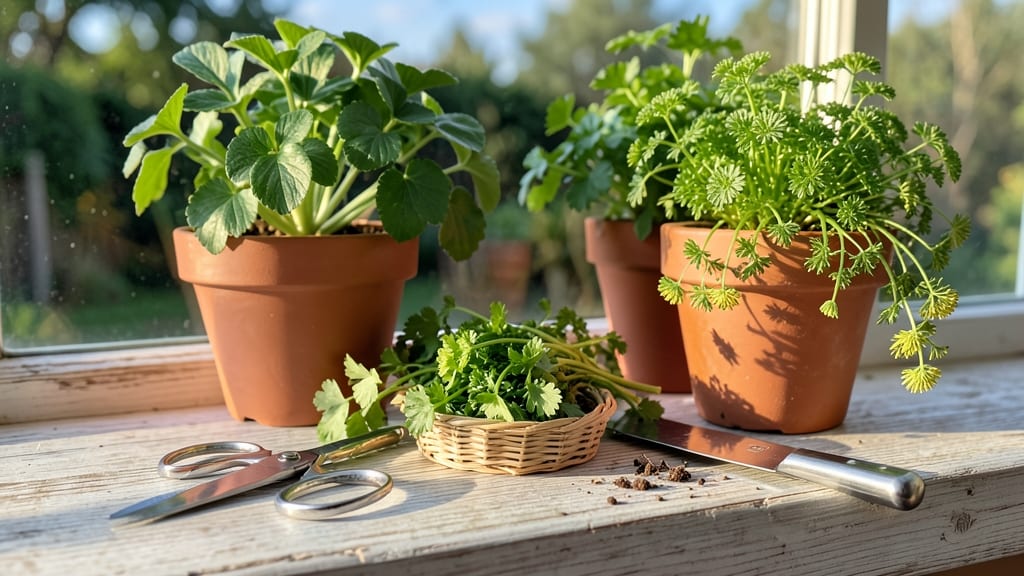
If you’ve ever wondered how to harvest parsley without sacrificing future growth, you’re in the right place.
This vibrant 🌿 herb isn’t just for garnishes—it’s a powerhouse of flavor, and knowing the best time and method to harvest can mean the difference between a thriving plant and a sad, stunted one.
Timing is everything. Parsley loves being picked, but you’ve got to do it right to keep it coming back stronger. Whether you’re a first-time gardener or a seasoned green thumb, the key lies in understanding when to snip and how much to leave behind.
Let’s break down the exact steps to maximize your harvest while keeping your parsley happy and productive.
You’ll discover the ideal window for harvesting—when leaves are fully mature but still tender—and how to cut stems without causing stress. Plus, I’ll share pro tips to encourage regrowth, so your parsley stays lush from June all the way through October.
No more guessing—just a foolproof method for a steady supply of fresh, flavorful parsley.
Ready to turn your garden into a parsley powerhouse? Let’s dive into the simple techniques that’ll have you harvesting like a pro in no time. Your kitchen (and your parsley plant) will thank you!
When to harvest parsley for maximum flavor and regrowth
Harvesting parsley at the right time ensures bold flavor and encourages vigorous regrowth. Unlike many herbs, parsley thrives when harvested regularly—but timing matters. The best window opens when your plants reach maturity markers like 3-4 inch leaves and 6-8 mature stems, typically 60-90 days after sowing.
Spring and fall are the ideal seasons for harvesting parsley. In spring, start harvesting once seedlings develop 3-4 true leaves (usually April-May in most climates). For fall harvests, continue until first frost (typically September-October), as parsley is cold-hardy but flavor fades with freezing temperatures.
Climate plays a key role: In warmer zones (USDA 8+), parsley may bolt prematurely (send up flowers) if not harvested before summer heat. In cooler regions (USDA 5-7), extend harvests by protecting plants with row covers during late fall.
Watch for visual cues like vibrant green leaves and firm stems. Avoid harvesting when leaves are pale or yellowish—this signals nutrient stress or over-maturity. The earlier you harvest, the more tender and flavorful the leaves remain.
🌱 Parsley Harvest Timeline by Growth Stage
| Stage | Harvest Window | Key Indicators | Seasonal Notes |
|---|---|---|---|
| Seedling | Avoid | Leaves <3 inches | Focus on root establishment |
| Mature | Spring-Fall | Leaves 3-4 inches, 6+ stems | Peak flavor; harvest monthly |
| Flowering | Stop | Stems elongate, buds form | Flavor declines; remove flowers |
| Bolting | Harvest roots only | Tall stems, yellow flowers | Save for seed or compost |
For flat-leaf parsley, harvest leaves from the outer stems first—this protects the inner growth. Curly parsley can be harvested more aggressively since it regrows densely. Always use clean, sharp scissors or pruning shears to avoid crushing stems, which invites disease.
Morning is the best time to harvest parsley. Leaves are most hydrated and flavorful after overnight moisture. Avoid harvesting in hot afternoons—this causes leaf wilting and oxidation, dulling flavor. If you must harvest later, trim stems underwater to extend freshness.
In container gardens, parsley may mature faster due to limited root space. Harvest smaller portions (e.g., 2-3 leaves per stem) to prevent root-bound stressground-planted parsley, you can harvest up to 1/3 of the plant at once without harming regrowth.
Never harvest parsley during drought stress—wait until soil is moist but not soggy. Post-harvest, water deeply and apply compost to replenish nutrients. This 2-step care keeps parsley productive for 2+ years in perennial climates.
Pro tip: Save 1-2 mature stems when harvesting to encourage bushier growth. These stems will branch out, giving you a denser plant with more harvestable leaves over time.
Step-by-step parsley harvesting techniques for healthy regrowth
Harvesting parsley correctly is the secret to a bountiful, long-lasting herb garden. Unlike many herbs, parsley thrives when pruned properly, encouraging lush regrowth and preventing woody stems. The key lies in using the right cutting techniques and timing your harvests to match the plant’s growth cycle.
Start by selecting the right tools—a clean, sharp pair of pruning shears or scissors is ideal. Dull blades can crush stems, damaging the plant and slowing recovery. Always sanitize your tools with rubbing alcohol before use to prevent disease spread between cuts.
⚠️ NON-NEGOTIABLE VISUAL ELEMENT ⚠️
Step-by-Step Parsley Harvesting Guide
- 🌱 Step 1: Locate the outer leaves—avoid cutting into the center growth point.
- ✂️ Step 2: Use clean shears to snip 1/3 of the plant at a 45-degree angle.
- 💧 Step 3: Water the base thoroughly after harvesting to stimulate regrowth.
- 🌿 Step 4: Harvest every 4-6 weeks in spring/fall for continuous yield.
- ⏰ Step 5: Avoid harvesting in hot summer months to prevent bolting.
When harvesting, focus on the outer leaves and stems first. These are fully mature and won’t stunt the plant’s growth. Leave the inner leaves and the central growth point intact—this ensures the plant continues producing new foliage.
For flat-leaf parsley, you can also harvest individual leaves without harming the plant, but avoid taking more than one-third of the plant at a time.
Timing your harvests is crucial. In spring and fall, when temperatures are mild, parsley grows vigorously and can handle frequent harvesting every 4-6 weeks. However, during hot summer months, reduce harvesting to prevent stress.
If your parsley starts to bolt (flower), it’s a sign to stop harvesting immediately—this means the plant is shifting energy toward seed production rather than leaf growth.
After harvesting, always water the base of the plant to replenish moisture lost during cutting. A light application of compost or balanced fertilizer (like 5-10-10) can also encourage faster regrowth.
If you notice yellowing leaves or stunted growth after harvesting, your cuts may have been too aggressive—adjust to smaller portions in future harvests.
For curly parsley, which grows more slowly, be even more conservative with your cuts. This variety is more prone to woody stems if over-harvested, so limit yourself to smaller trims and focus on the tips of the stems rather than the base.
With the right approach, your parsley can provide continuous harvests for 2-3 years!