
How To
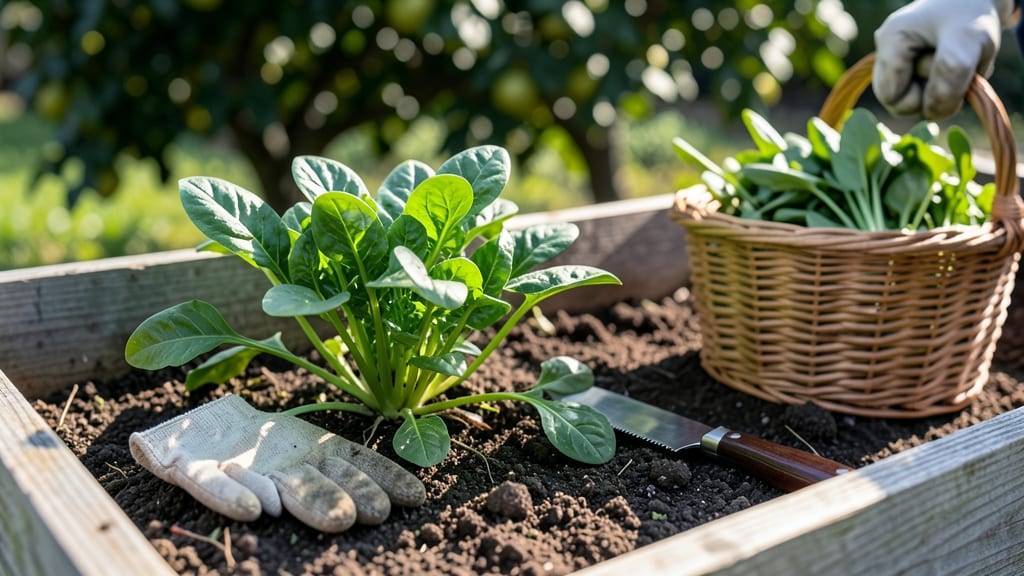
How to know when to harvest spinach can mean the difference between tender, flavorful greens and bitter, tough leaves. If you've ever pulled spinach too early—only to find it still woody—or waited too long and watched it bolt into flowers, you know how frustrating it can be.
Luckily, there’s a science to timing your harvest just right. By focusing on three key leaf tests—size, color, and texture—you’ll never second-guess when to pick again. These simple cues will help you avoid common mistakes and keep your spinach producing fresh harvests for weeks.
The best part? You don’t need a green thumb to master this. Whether you’re a first-time gardener or a seasoned pro, these practical tips will ensure your spinach stays crisp, vibrant, and ready to eat at the perfect moment.
Ready to transform your spinach harvest from guesswork to confidence? Let’s dive into the exact signs to watch for—and how to keep your plants thriving long after the first pick.
3 Leaf tests to determine perfect spinach harvest time
Harvesting spinach at the right time ensures the best flavor and texture. The key is checking three simple visual and tactile cues: leaf size, color, and texture. These indicators work together to tell you when your spinach is ready to pick.
First, look at the leaf size. Ideal spinach leaves for harvest should be between 4-6 inches long. If they're smaller, they're still tender but may lack flavor. Larger leaves can become bitter or tough if left too long.
Next, examine the leaf color. Perfect spinach leaves should be a deep, vibrant green. Pale or yellowing leaves are a sign of stress or nutrient deficiency, while overly dark leaves might indicate over-maturity or disease.
Finally, test the leaf texture. Ready-to-harvest spinach leaves should feel crisp but not brittle. If they crumble easily, they may be overripe. If they're still too soft, give them another week or two to mature.
Look for leaves 4-6 inches long—this is the sweet spot for flavor and tenderness.
Vibrant deep green leaves are ready—avoid pale or yellowing leaves, which lack nutrients.
Crisp but not brittle—if leaves crumble, they're overripe; if too soft, wait another week.
For continuous harvests, use the cut-and-come-again method. Snip the outer leaves first, leaving the inner leaves to grow. This encourages regrowth and extends your harvest season by 3-4 weeks.
Timing is everything! Harvest in the morning after dew has dried to ensure the freshest taste. Avoid harvesting in the heat of the day, as this can cause the leaves to wilt or bolt prematurely.
If you're growing baby spinach, you can harvest even earlier—around 3-4 weeks—when leaves are just 2-3 inches long. These smaller leaves are perfect for salads and have a delicate flavor.
Pro tip: Keep a harvest journal to track when your spinach reaches maturity. Note the days to harvest, weather conditions, and any variations in leaf size or color. This helps you fine-tune your future plantings for the best results.
By mastering these 3 leaf tests, you'll always know when to harvest spinach for the best flavor, texture, and continuous yield—no more bitter surprises!
3 Leaf tests to determine perfect spinach harvest time
Harvesting spinach at the right moment transforms your garden into a flavor factory. The key lies in three simple leaf tests that reveal when your spinach is primed for picking. These tests focus on size, color, and texture—all critical indicators of peak maturity.
Mastering these will ensure your spinach stays tender, sweet, and free from bitterness, which often creeps in when leaves mature too long.
Start by examining the outer leaves first, as these tend to mature slightly earlier than inner ones. This approach also encourages the plant to produce more leaves, giving you a continuous harvest.
If you notice the outer leaves meeting your ideal criteria, it’s time to act—delaying can lead to tougher, less flavorful greens. The best part? These tests work for both baby spinach (harvested young) and mature spinach (fully grown).
Ideal: Leaves should be 4-6 inches long and fully unfurled. For baby spinach, aim for 3-4 inches—smaller leaves pack the most tenderness.
How to check: Hold a leaf against a ruler or compare it to your hand. If it reaches your palm’s width, it’s ready.
Ideal: Deep, vibrant dark green color. Avoid leaves with yellowing edges or pale centers—these signal stress or over-maturity.
Pro tip: Red or purple veins are normal and add visual appeal, but avoid harvesting if leaves turn yellow or brown.
Ideal: Leaves should feel crisp and firm to the touch, like fresh lettuce. If they feel soft or slimy, they’re past their prime.
Test method: Gently pinch a leaf between your fingers. Resistance = ready to eat. No resistance = wait or harvest for cooking.
Timing is everything when it comes to spinach. Harvest in the morning after dew has dried but before the sun intensifies—this ensures the crispest texture. Avoid harvesting during heatwaves or drought stress, as these conditions can make leaves bitter or cause the plant to bolt (flower prematurely).
Instead, prioritize harvesting when your spinach has had consistent moisture and cool temperatures.
For a continuous harvest, use the "cut-and-come-again" method: snip the outer leaves just above a set of younger leaves. This encourages the plant to produce more greens while keeping the existing plant healthy.
If you’re growing spinach for a single harvest, wait until the entire plant reaches maturity (typically 45-60 days after sowing) and cut the plant 1-2 inches above the soil.
Remember, spinach is a cool-season crop, so timing your harvest around spring and fall ensures the best flavor. In hot climates, opt for shade-tolerant varieties like 'Tyee' or 'Bloomsdale Long Standing' to avoid bolting.
With these leaf tests in your toolkit, you’ll never again guess whether your spinach is ready—just harvest with confidence!