
How To
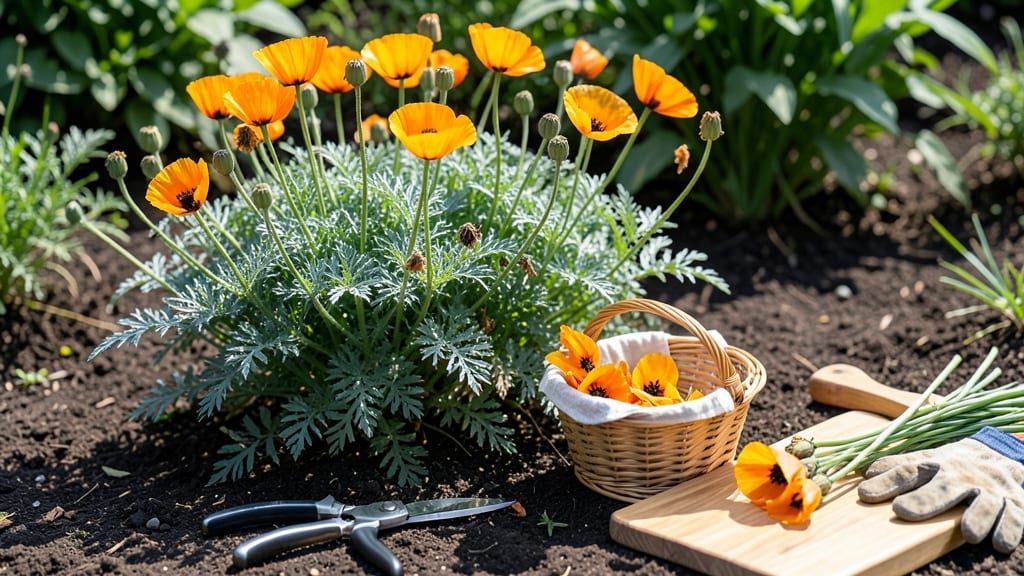
Learning how to harvest poppies at the perfect moment means the difference between a bountiful seed stash and a wasted opportunity. These delicate 🌸 blooms transform into seed pods that hold the potential for next year’s garden—but only if you time it right.
Most poppy varieties in USDA Zone 6a reach their prime harvest window between late May and early June, when the pods turn from green to a papery brown. Miss this, and those precious seeds scatter before you can collect them.
The key? Watching for the pods to split open just slightly—this signals they’re ready for the picking.
I’ve harvested poppies for years, and I’ll show you exactly what to look for, from the right tools to use to how to store your seeds properly.
Whether you’re growing ornamental poppies for their beauty or saving seeds for future blooms, these steps will ensure you don’t miss a single one.
Ready to master the art of harvesting? Let’s dive into the best techniques so you can enjoy a garden full of poppies year after year—without the guesswork.
When to harvest poppy seed pods for maximum yield
Timing is everything when harvesting poppy seed pods. Miss the window, and you’ll either get immature seeds that won’t germinate or overripe pods that scatter uselessly.
Most poppies—like the California poppy (Eschscholzia californica) or opium poppy (Papaver somniferum)—reach peak seed maturity in late spring to early summer, typically 75–90 days after planting. But don’t rely solely on days; watch for these visual cues instead.
Start scouting your poppies in May or June, depending on your climate. Look for pods that have turned from green to tan or brown and feel dry and papery when touched.
If a pod splits open easily with gentle pressure, it’s ready—seeds inside should rattle like tiny marbles. Overripe pods will burst open on their own, releasing seeds prematurely.
Weather plays a crucial role too. Harvest on a dry, sunny morning after dew has evaporated. Avoid harvesting after rain, as moisture can ruin seed viability or encourage mold. If you’re in a humid climate, prioritize harvesting dry pods over fresh ones to minimize spoilage.
Pro tip: Different poppy varieties mature at slightly different rates. California poppies often ripen faster (60–75 days), while oriental poppies (Papaver orientale) may take up to 90 days. Keep a harvest journal to track your specific variety’s timeline for next year.
If you’re growing poppies for cut flowers instead of seeds, harvest the blooms in the morning when petals are fully open but still dew-covered. This preserves their vibrant color and vase life.
For seed pods, however, wait until the petals have fallen off naturally and the pod has dried completely.
One common mistake is harvesting pods that are still partially green. These seeds won’t germinate well because they’re underdeveloped. Conversely, pods that are completely brown and brittle may have already released their seeds.
To test readiness, squeeze a pod gently—if seeds spill out easily, it’s time to harvest.
For opium poppies (Papaver somniferum), which are grown for their seeds (not opium), harvest when the pods turn yellowish-brown and begin to crack open. These seeds are used for culinary poppy seed or planting. Always wear gloves when handling them, as the latex sap can irritate skin.
Finally, consider your garden layout. If poppies are planted in clusters, they’ll mature at slightly different times. Harvest in batches over a 1–2 week period to capture the best seeds from each plant. This staggered approach ensures you don’t miss any pods.
Once you’ve identified the perfect pods, the next step is harvesting them without damaging the seeds. Grab your tools—clean pruners, a small bucket, and gloves—and follow the step-by-step techniques in the next section to avoid common pitfalls like moisture damage or seed loss.
When to harvest poppy seed pods for maximum yield
Timing is everything when harvesting poppy seed pods. Miss the window, and you’ll either get immature seeds that won’t sprout or dried-out pods that crumble into dust.
Most poppies—like the classic California poppy or opium poppy—reach peak seed readiness 60-90 days after planting, typically in late spring to early summer (May-June in most USDA zones).
Look for dry, papery seed pods that split open naturally. These pods will turn from green to a tan or light brown color, and you’ll hear a faint rattling sound when shaken—a sure sign seeds are mature.
Harvest too early, and the seeds won’t germinate; too late, and they’ll scatter everywhere.
Weather plays a role too. Avoid harvesting after rain or heavy dew, as moisture can cause mold. Instead, pick pods on a dry, sunny morning when humidity is low. This ensures your seeds stay viable and ready for next year’s garden.
| Stage | Visual Cues | Action |
|---|---|---|
| Early Pod | Green, firm, closed | Wait 2-4 weeks |
| Mature Pod | Tan/brown, papery, slightly open | Harvest immediately |
| Overripe Pod | Dry, brittle, seeds scattered | Too late—discard |
Pro tip: If you’re growing opium poppies (Papaver somniferum) for seeds, wait until the pods are fully brown and starting to crack open. These seeds are larger and more valuable, but they require extra patience. Always wear gloves when handling them, as the sap can irritate skin.
For ornamental poppies like the Iceland poppy, harvest pods as soon as they turn brown but before they split. These seeds are smaller but just as easy to collect with the right technique. Place a paper bag under the plant to catch any seeds that fall prematurely.
Remember: The goal is to collect seeds at their peak—when they’re dry but not yet scattered. This ensures a high germination rate and saves you the hassle of replanting next season. With the right timing, you’ll have a fresh batch of poppies blooming in no time! 🌻