
Aphids
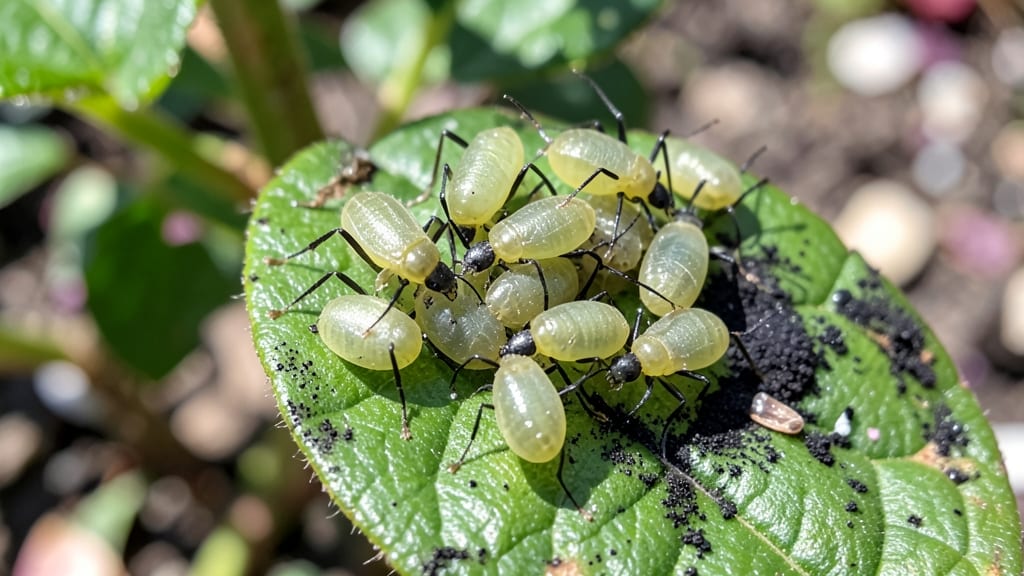
How to identify aphids on plants—those tiny green bugs on your new growth?—can save your garden before they become a nightmare. 🌱 I’ve seen them turn lush plants into sticky, curled messes in just days, but catching them early makes all the difference. They’re sneaky, clustering where you least expect them, but knowing exactly what to look for means you can stop them before they take over.
Most aphids are about the size of a pinhead, oval-shaped, and come in green, black, or gray. They love hiding on the undersides of leaves, along stems, or in flower buds—places you’d never think to check.
Look for curling leaves or a sticky residue called honeydew (that’s their waste), and you’ll know they’ve moved in. A magnifying glass or even your smartphone’s camera can help spot them before they become a full-blown infestation.
Early detection is your best weapon. Check new growth weekly, especially on the undersides of leaves and where stems meet branches. The sooner you catch them, the easier it is to remove them by hand or blast them off with water.
No need for harsh chemicals—just a little vigilance and you’ll keep your plants thriving. Here’s how to tell them apart from other pests so you can act fast.
This works for backyard gardens, container plants, and even houseplants. Once you know what to look for, you’ll spot them before they become a problem. Let’s get those plants back to their best—and keep them that way.
Root Causes of Aphid Infestations
Aphids may seem like tiny, harmless pests, but their rapid multiplication and plant-damaging habits are far from accidental. Understanding why these sap-sucking insects show up on your plants is the first step to preventing them.
Below, we break down the key factors that turn your garden into an aphid buffet—so you can tackle the problem at its source.
Aphids are opportunistic feeders—they target plants that are already struggling. When a plant is weak, its defenses drop, and its sugary sap becomes an easy meal. Here’s why this happens:
- Nutrient Deficiencies: Plants low in nitrogen, phosphorus, or potassium produce softer, more nutrient-rich sap—aphids’ favorite snack. Example: Yellowing leaves (a sign of nitrogen deficiency) often signal an upcoming aphid party.
- Water Stress: Overwatering or drought weakens plants by disrupting root function. Aphids detect these stress signals through volatile organic compounds (VOCs) released by the plant, acting like a dinner bell.
- Disease or Damage: Fungal infections, insect bites (like spider mites), or physical harm (e.g., hail) create entry points. Aphids exploit these wounds to insert their stylets (mouthparts) and feed undisturbed.
💡 Pro Tip: Keep plants healthy with balanced fertilizer (look for NPK ratios like 10-10-10) and proper watering schedules. A thriving plant is less likely to send out "help, I’m weak!" signals.
Aphids don’t fly far on their own, but they hitchhike on other insects that do. Here’s how they spread like wildfire:
- Ants as Bodyguards: Some ant species (like Lasius) farm aphids for their honeydew—a sticky, sugary waste product. Ants protect aphids from predators in exchange for this treat, creating a mutualistic relationship that fuels infestations.
- Wind and Winged Visitors: Aphids can ride wind currents or latch onto bees, butterflies, and even birds. A single infested plant in your neighbor’s yard could mean trouble for your garden.
- New Plant Introductions: Buying infected nursery stock (especially roses, tomatoes, or basil) is a common way aphids sneak in. Always quarantine new plants for a week before adding them to your garden.
✨ Action Step: If you spot ants trailing up your plants, investigate for aphids. Disrupt their relationship by using diatomaceous earth around stems or introducing aphid-eating ladybugs.
Aphids thrive in warm, humid environments with plenty of tender new growth. Here’s what makes your garden their perfect home:
| Factor | Why It Helps Aphids | How to Fix It |
|---|---|---|
| 🌡️ Warm Temperatures (60–85°F) | Speeds up their reproduction cycle (some species reproduce asexually, cloning themselves in days). | Use row covers in early spring or plant aphid-repelling herbs like mint or basil nearby. |
| 💧 High Humidity | Prevents natural predators (like lacewings) from hunting them efficiently. | Improve airflow with pruning or spacers between plants. |
| 🌱 Soft New Growth | Young leaves and stems are easier to penetrate with their stylets and packed with nutrients. | Pinch off tender tips regularly to limit aphid buffets. |
🎯 Prevention Hack: Avoid over-fertilizing with nitrogen-heavy feeds (like grass clippings). Aphids love the resulting soft, fast growth—opt for balanced or slow-release fertilizers instead.
Aphids don’t just appear randomly—they follow seasonal and environmental cues. Here’s when they’re most likely to strike:
- Spring and Early Summer: Mild temperatures and new plant flushes trigger aphid outbreaks. Example: Peaks in April–June for many species.
- Dry, Windy Conditions: While aphids love humidity, drought-stressed plants become more vulnerable. Their weakened defenses make them easier targets.
- Urban Heat Islands: Cities with higher temperatures can extend aphid seasons, allowing them to reproduce longer.
🔥 Early Warning Sign: If you notice aphids in late summer or fall, they might be winged aphids preparing to lay eggs for next season. Act fast to break their cycle!
How to Fix Aphid Infestations
Once you’ve spotted those pesky aphids feasting on your plants, it’s time to act! The good news? There are effective, natural, and chemical-free ways to tackle them—without harming your garden or the environment.
Below, we’ve mapped solutions directly to the most common causes of aphid outbreaks, along with prevention tips to keep your plants aphid-free long-term.
Aphids love weak, crowded plants—so strengthen your greenery first!
How to Treat It:
- 🌱 Prune damaged leaves – Remove heavily infested foliage (especially new growth) and dispose of it in a sealed trash bag. This stops the aphid population from exploding.
- 💦 Water deeply at the base – Aphids hate moisture on their backs. Water plants early in the day (so leaves dry quickly) and avoid overhead spraying.
- 🌿 Thin out overcrowded plants – If your garden is packed, aphids have more hiding spots. Space out plants to improve airflow and reduce stress.
💡 Pro Tip: Use a fan on low speed near infested plants for a few hours a day. The gentle breeze deters aphids and helps leaves dry faster, making the environment less hospitable.
Aphids’ worst enemies are already in your garden—you just need to encourage them!
How to Treat It:
- 🐞 Introduce ladybugs – These tiny red-and-black predators devour aphids. Buy them online or attract them by planting dill, fennel, or marigolds.
- 🕷️ Welcome lacewings & parasitic wasps – These insects lay eggs near aphids, and their larvae feast on them. Avoid pesticides to keep them around!
- 🐸 Add a birdbath or shallow water dish – Birds like robins and sparrows snack on aphids. A little water source keeps them visiting.
⚠️ Warning: If you must use chemical sprays, do it at night when beneficial insects are less active. Otherwise, you might kill the good guys too.
Aphids thrive in messy gardens—so tidy up!
How to Treat It:
- 🗑️ Remove fallen leaves & plant debris – Aphids overwinter in leaf litter. Rake up debris and compost it away from your garden (or burn it if possible).
- 🌿 Pull weeds regularly – Weeds like dandelions and clover attract aphids. Keep your garden weed-free, especially near valuable plants.
- 🪴 Wipe down pots & garden tools – Aphids can hitchhike on dirty tools. Clean them with soapy water before storing.
💡 Pro Tip: Mulch with straw or wood chips (not fresh grass clippings) to suppress weeds while keeping the soil healthy.
When aphids are bad, a homemade spray can work wonders!
How to Treat It:
- 🍋 Soapy water spray – Mix 1 tsp mild dish soap + 1 quart water in a spray bottle. Spray directly on aphids (avoid flowers if possible). Reapply every 2-3 days.
- 🌿 Neem oil solution – 1 tsp neem oil + 1 tsp mild soap + 1 quart water. Spray early morning or late evening (neem can burn leaves in direct sun).
- 🍊 Garlic & chili pepper spray – Blend 2 garlic cloves + 1 tbsp cayenne pepper + 1 quart water. Strain and spray—aphids hate the smell!
⏰ Best Time to Spray:
- Early morning or late evening (avoids harming bees and other pollinators).
- Reapply every 5-7 days until aphids disappear.
The best defense? Stop aphids before they start!
How to Prevent It:
- 🌱 Choose resistant plant varieties – Some plants (like roses, beans, and potatoes) are more aphid-prone. Opt for disease-resistant cultivars when possible.
- 🌿 Interplant with repellent herbs – Basil, mint, lavender, and thyme naturally repel aphids. Plant them near vulnerable crops.
- 🕯️ Use reflective mulch – Aluminum foil or silver plastic mulch confuses aphids (they dislike shiny surfaces). Wrap it around plant stems for extra protection.
- 🌱 Rotate crops yearly – Aphids specialize in certain plants. Changing locations disrupts their life cycle.
🎯 Final Tip: Inspect new plants before bringing them home! Quarantine them for a week in a separate area to catch hitchhiking pests early.
Remember: Aphids are annoying but manageable—with the right mix of prevention, natural predators, and quick action, you’ll have a thriving, aphid-free garden in no time! 🌿✨
Frequently asked questions
What do aphids look like up close?
Aphids are tiny, usually 1/16 to 1/8 inch long, with soft, oval bodies. They come in green, black, gray, or even pinkish colors, and often cluster together on new growth. Use a magnifying glass or smartphone camera to spot their pear-shaped bodies and long antennae.
How can I tell if aphids are damaging my plants?
Look for curled or yellowing leaves, sticky residue (honeydew), and tiny black dots (sooty mold) on leaves. Aphids suck sap, weakening plants and attracting ants. Check the undersides of leaves and new growth—these are their favorite hiding spots.
Are all aphids green?
No! While green is the most common color, aphids can be black, gray, brown, or even pink. The color often matches the plant they’re feeding on. For example, black aphids often appear on roses, while gray aphids may infest fruit trees.
Can aphids survive winter?
Yes, many aphids lay eggs that overwinter in plant debris or soil. In spring, these eggs hatch into winged aphids that spread to new plants. Rake up fallen leaves and clean garden tools to reduce their survival chances.
What’s the difference between aphids and spider mites?
Aphids are soft-bodied and 1/16 inch or larger, while spider mites are microscopic (need a magnifier to see). Aphids leave sticky honeydew, while spider mites cause fine webbing on leaves. Check for tiny moving dots (aphids) vs. speckled leaves (mites).