
Tools
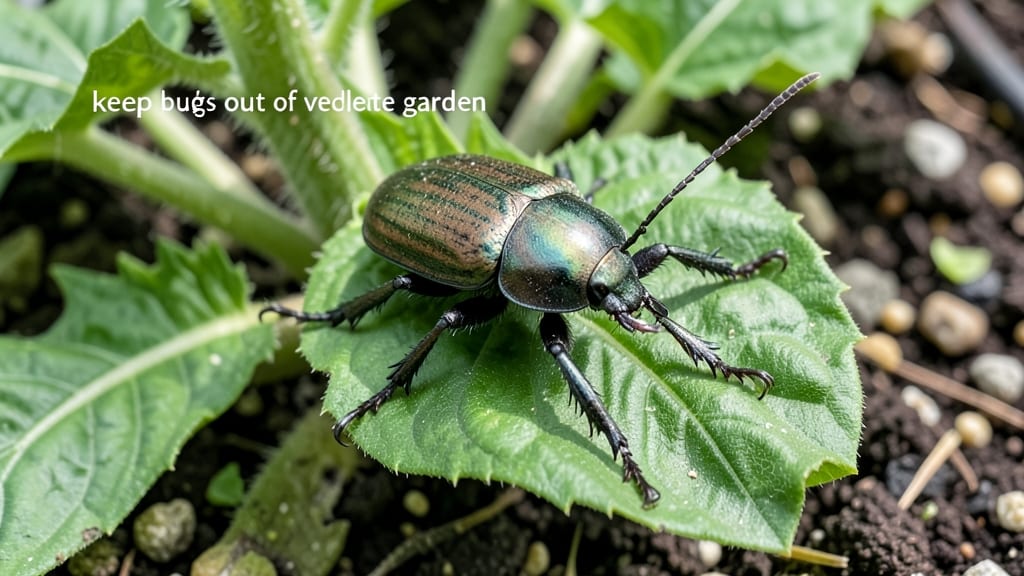
How to keep bugs out of your vegetable garden 🥬 doesn’t have to mean reaching for harsh chemicals—there are smarter, more sustainable ways to protect your hard work. Whether you're dealing with aphids, cabbage worms, or other common pests, the right barriers can make all the difference without harming your plants or the environment.
I’ve tested the most effective physical solutions over the years, and what works best depends on your specific pests and garden setup. From lightweight row covers to sturdy mesh netting, these methods block insects while still letting your plants thrive in USDA Zone 6a conditions.
The key is choosing the right tool for the job—whether you're planting in spring or fall.
What I love about these approaches is how simple they are to implement. No complicated setups or expensive equipment needed—just practical, hands-on strategies that actually work. You’ll discover how to create a pest-free zone without sacrificing your garden’s health or your peace of mind.
Let’s dive into the best physical barriers that keep your vegetable garden safe, season after season, so you can enjoy a bountiful harvest without the bugs.
Top 5 physical barriers to block garden pests naturally
Pests like aphids, cabbage worms, and squash bugs can devastate your vegetable garden in no time. The good news? You don’t need toxic sprays to keep them away. Physical barriers create a protective shield that stops bugs before they reach your plants.
These methods are eco-friendly, cost-effective, and work for almost any vegetable variety.
From lightweight row covers to sturdy floating row covers, each barrier has its strengths. Some are best for leafy greens, while others protect tomatoes or cucumbers. The key is choosing the right tool for the pests you’re dealing with.
For example, a mesh netting with 0.5mm holes blocks aphids, but you’ll need a thicker material for larger pests like beetles.
Here’s a breakdown of the top 5 physical barriers—how they work, what pests they deter, and how to use them effectively in your garden.
| Barrier Type | Best For | Pests Blocked | Installation Tips |
|---|---|---|---|
| Floating Row Covers | Leafy greens, brassicas | Aphids, cabbage worms, flea beetles | Secure edges with soil or bricks; remove for pollination. |
| Mesh Netting (0.5mm) | Tomatoes, peppers, berries | Tomato hornworms, squash bugs, beetles | Stake netting above plants; ensure no gaps. |
| Collars (Cardboard/Egg Cartons) | Seedlings, young transplants | Cutworms, slugs, snails | Cut collars 1-2 inches tall; bury edges in soil. |
| Chicken Wire Fencing | Root crops, large plants | Rabbits, deer, ground pests | Bury 6 inches deep; use for perimeter protection. |
| Straw Mulch (3-4 inches) | All vegetables | Weevils, slugs, ants | Apply around base of plants; refresh every 2-3 weeks. |
Floating row covers are my go-to for early spring planting because they create a microclimate that warms the soil while keeping pests out. They’re lightweight and allow 60-70% sunlight to reach plants, so your greens won’t miss out on growth. Just
Mesh netting is a game-changer for tomatoes and peppers, which are magnets for tomato hornworms. Look for netting with 0.5mm holes—it’s fine enough to block most flying insects but still lets in plenty of light and air. I like to secure it with soft clips or zip ties to avoid damaging stems. For larger pests like squash bugs, a heavier 1mm mesh works better.
If you’re dealing with cutworms or slugs, collars made from cardboard tubes or egg cartons are a budget-friendly solution. These simple barriers create a physical barrier that pests can’t crawl over.
I’ve even used toilet paper rolls in a pinch! Just make sure the collar is at least 1-2 inches tall and buried slightly into the soil to prevent pests from tunneling underneath.
For larger garden threats like rabbits or deer, a chicken wire fence is your best bet. Bury the wire 6 inches deep to stop digging pests, and extend it 2 feet tall for above-ground protection.
This method works well for root vegetables like carrots or potatoes, which are often targeted by burrowing pests. Just be sure to secure the fence tightly—animals are surprisingly good at finding gaps!
Finally, don’t underestimate the power of mulch. A thick layer of straw or grass clippings (3-4 inches) suppresses weeds and deters pests like weevils and ants. It also helps retain moisture, reducing the need for frequent watering.
I refresh my mulch every 2-3 weeks to keep it effective, especially during the hot summer months when pests are most active.
Each of these barriers has its place in a pest-free garden. The key is to combine methods for maximum protection. For example, use row covers for seedlings and mesh netting for fruiting plants, while adding mulch to keep soil pests at bay.
With the right setup, you’ll spend less time battling bugs and more time enjoying your harvest!
🌱
Top 5 physical barriers to block garden pests naturally
Keeping bugs out of your vegetable garden starts with smart, non-chemical barriers that work naturally. The right physical defenses can deter pests like aphids, cabbage worms, and squash bugs without harming your plants or the environment.
Whether you're growing tomatoes, lettuce, or peppers, these barriers create a protective shield while keeping your garden thriving.
One of the most effective methods is using floating row covers. These lightweight fabrics allow sunlight and water to reach your plants while blocking flying insects like whiteflies and moths. They’re especially useful for cabbage, broccoli, and carrots, which are prone to airborne pests.
Another great option is mesh netting, which can be draped over plants or secured around beds to keep out beetles, caterpillars, and even rabbits.
| Barrier Type | Best For | Ease of Use | Longevity |
|---|---|---|---|
| Floating Row Covers | Leafy greens, brassicas | Very Easy | 3-5 Years |
| Mesh Netting | Fruiting plants, berries | Moderate | 2-4 Years |
| Collars (Egg Cartons, PVC) | Seedlings, young plants | Easy | 1 Season |
| Fences (Chicken Wire, Wood) | Rabbits, deer, large pests | Moderate | 5+ Years |
| Mulch (Straw, Wood Chips) | Weeds, slugs, soil pests | Very Easy | 1-2 Years |
For young seedlings, collars made from egg cartons or PVC pipes create a physical barrier against cutworms and slugs. These can be easily customized to fit your plants and are a budget-friendly solution.
If larger pests like rabbits or deer are a problem, installing a chicken wire fence around your garden can provide long-term protection. Finally, mulching with straw or wood chips not only suppresses weeds but also deters slugs and other soil-dwelling pests.
Each of these barriers works best when combined with good garden hygiene, such as removing debris and rotating crops. For example, row covers are ideal for early spring planting, while fences offer year-round protection against larger animals.
By choosing the right barrier for your specific pests, you can enjoy a bountiful harvest without relying on chemicals.
Remember, the key to success is consistency. Check your barriers regularly for damage and adjust as needed. With the right setup, your vegetable garden will stay pest-free and productive all season long.
Start with one or two barriers and expand as you observe which pests are most active in your garden. Over time, you’ll refine your approach to create a pest-resistant paradise that’s as beautiful as it is productive. 🌱