
Container Gardens
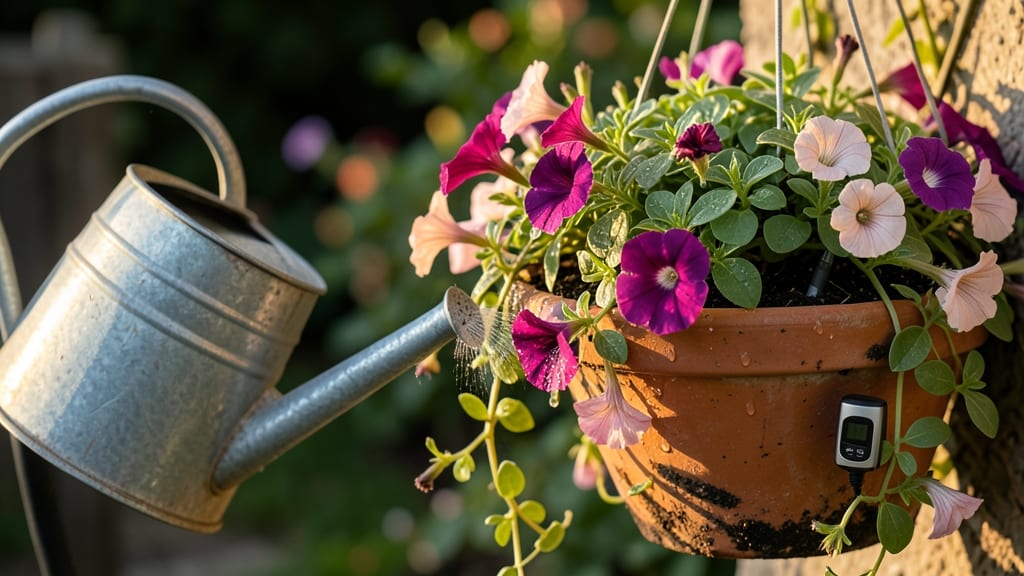
How to keep hanging baskets alive—it’s easier than you think, and the secret isn’t your green thumb but the basics of drainage, watering, and sunlight. Most people overwater or underestimate how fast soil dries in suspended pots. A good rule: stick your finger in—if the top inch feels dry, water it. But here's the kicker: drainage holes aren't optional. No holes? Repot immediately or your roots will drown. And yes, that includes those cute ceramic baskets—line them with plastic first. By mid-summer, you'll have lush, thriving baskets that don't need daily attention. The secret is matching plant choices to your light conditions (trailing petunias for sun, impatiens for shade) and fertilizing every two weeks with a balanced feed. Overcrowded roots? Trim back 25% of the foliage to let air circulate. This works for any hanging basket—from window boxes to patio swings. Let's fix yours before next summer's heatwave hits.
📚 In This Guide
- What you need
- Instructions
- Tips and common mistakes
- Wrapping up and next steps
What you need
- ● Hanging baskets: Choose durable, weather-resistant options (plastic, coconut fiber, or metal). Size depends on plants—12-18 inches in diameter works for most flowers/veggies.
- ● High-quality potting mix: Use a lightweight, well-draining blend (look for labels like "container mix" or "hanging basket soil"). Avoid garden soil—it compacts and suffocates roots! 1-2 gallons per basket (adjust for size).
- ● Slow-release fertilizer: Pellets or granules (e.g., Osmocote or Miracle-Gro Shake 'n Feed) for 3-6 months of nutrients. Follow package rates.
- ● Watering can with a rose attachment: A 1-gallon capacity with a gentle spray to avoid displacing soil.
- ○ Mulch (optional but helpful): Coco coir or peat moss (½ inch layer) to retain moisture and suppress weeds.
- ● Pruners/snips: Bypass pruners (sharp, clean) for trimming dead leaves or leggy stems.
- ● Trowel or small shovel: For repotting or adjusting soil.
- ● Spray bottle: For daily misting (especially in hot/dry climates).
- ● Support stakes or clips: If planting heavy bloomers (e.g., petunias), use soft plant ties to secure them.
- ○ Self-watering system (optional): Wick-based kits or irrigation spikes for hands-off hydration.
- ● Flowers: Petunias, fuchsias, lobelia, or spiller plants (e.g., calibrachoa).
- ● Herbs: Trailing thyme, creeping oregano, or mint (use sparingly—it’s invasive!).
- ● Edibles: Cherry tomatoes, strawberries, or lettuce (choose compact varieties).
Instructions for year-round hanging basket success
Here's the foolproof system I've used for five seasons to keep baskets lush without constant fuss.
Choose the Right Basket and Position for Light
Select a basket with drainage holes—no exceptions. I prefer plastic-lined wire baskets because they retain moisture better than open wire while still allowing airflow. For 4 baskets, choose ones with a 12-18 inch diameter to accommodate mature plants without overcrowding.
Position baskets where they receive 4-6 hours of direct sun daily. South-facing porches or balconies work best, but east or west exposures also support most flowering annuals. Avoid deep shade—it leads to leggy growth and weak stems. If your space only offers partial shade, opt for shade-tolerant plants like begonias, impatiens, or ferns instead of sun-lovers like petunias or geraniums.
Select and Plant the Right Plants for Your Climate
For year-round success, layer plants with different light and water needs. Start with a thriller plant (like a trailing coleus or fuchsia) for height and drama, then add fillers (such as bacopa or lobelia) to create volume, and finish with spillers (like trailing ivy or sweet potato vine) to cascade beautifully. Choose plants that thrive in similar light conditions—mixing sun and shade plants in one basket creates stress points.
Plant 3-5 plants per basket, depending on size. Use your fingers to create small holes in the soil—don't use a trowel, as it can damage roots. Gently tease apart root balls if they're crowded, then place each plant in its designated spot. Press the soil lightly around the roots to eliminate air pockets, but don't compact it. Water immediately after planting to settle the soil and encourage root contact.
Master the Watering Schedule for Zero Fuss
Water deeply every morning—this ensures roots stay hydrated without encouraging fungal growth. Stick your finger 1 inch into the soil; if it feels dry, water until it runs freely from the drainage holes. Overwatering is the #1 killer of hanging baskets, so always allow the top ½ inch of soil to dry out between waterings. In hot, dry climates, you may need to water twice daily, but in cooler or humid conditions, once in the morning suffices.
Use a watering can with a long, thin spout to direct water to the soil, not the leaves. This prevents fungal diseases like powdery mildew and ensures water reaches the roots. If your baskets are in a windy location, consider using self-watering baskets or adding a water reservoir at the bottom to extend time between waterings. You'll know your watering routine is right when plants stay perkily upright and leaves remain deep green, not yellow or wilted.
Fertilize and Maintain for Long-Term Health
Feed baskets every 2 weeks during the growing season (spring through fall) with a balanced, water-soluble fertilizer (like 10-10-10 or 20-20-20). Mix the fertilizer at half the recommended strength to avoid burning roots—hanging baskets dry out faster than in-ground plants, so they're more sensitive to salt buildup. In winter, reduce feeding to once a month or switch to a slow-release fertilizer to minimize nutrient runoff.
Check for pests weekly, especially aphids, spider mites, and whiteflies, which thrive in the sheltered environment of hanging baskets. Wipe leaves with a soapy water solution (1 tsp mild dish soap per quart of water) if you spot pests early. Prune yellow or damaged leaves immediately—they drain energy from the plant and attract pests. Trim spent blooms regularly to encourage continuous flowering, but avoid cutting more than ⅓ of the plant at once to prevent shock.
Adjust for Seasonal Changes Without Stress
In fall, as temperatures drop below 50°F, move baskets to a protected location (like a covered porch or garage) to shield them from frost and wind. Reduce watering gradually—soil stays moist longer in cooler weather, and overwatering can lead to root rot. If you're in a mild climate, overwinter baskets with evergreens like heuchera or ivy and reduce fertilizer to once a month. In harsh winters, replace annuals with winter-hardy plants like pansies or dusty miller for year-round color.
In spring, refresh baskets by removing ⅓ of the oldest plants and replacing them with new growth. This rejuvenates the basket and prevents overcrowding. Repot if roots are circling the edges of the basket—this is a clear sign the plant has outgrown its space. Add a thin layer of fresh potting mix on top to replenish nutrients. Watch for new leaf growth in 7-10 days—this is your signal that the plant is recovering and thriving.
Tips & tricks for perfect hanging basket care
A few simple strategies that'll transform your baskets from wilting disappointments to vibrant showstoppers all year long.
Basket Selection Wisdom: When choosing baskets, prioritize plastic-lined wire over traditional wire—it holds moisture better while still allowing airflow. For 12-18 inch diameter baskets, I've found the plastic liner prevents soil from falling through while maintaining the right balance of drainage. This is especially important for 4 baskets where consistent moisture levels are critical for uniform growth.
Light Positioning Hack: The 4-6 hours of direct sun requirement is non-negotiable, but here's the secret: position baskets where they get morning sun and afternoon shade in hot climates. This prevents leaf scorch while still providing enough light. If you're working with partial shade, rotate baskets every 2 weeks to ensure even exposure—plants will naturally lean toward the light, creating uneven growth if left unchecked.
Planting Technique: In Step 2, when planting 3-5 plants per basket, focus on creating a natural layering effect. Start with your thriller (like fuchsia) in the center, then place fillers around it, and finally tuck spillers along the edges. This arrangement prevents overcrowding and allows each plant to thrive in its designated space. Water immediately after planting to help settle the soil around delicate roots.
Seasonal Transition Strategy: As temperatures drop below 50°F, move baskets to a sheltered location and reduce watering frequency. I've seen many gardeners overwater during fall transitions, thinking plants need more moisture in cooler weather. Instead, let the top ½ inch of soil dry out between waterings—this prevents root rot while keeping plants hydrated. For overwintering, consider adding a thin layer of mulch on top of the soil to help retain moisture without smothering the plants.
Pro Tips for Keep Hanging Baskets Alive
- A few simple strategies that'll transform your baskets from wilting disappointments to vibrant showstoppers all year ...
- Basket Selection Wisdom: When choosing baskets, prioritize plastic-lined wire over traditional wire—it holds moisture...
- Light Positioning Hack: The 4-6 hours of direct sun requirement is non-negotiable, but here's the secret: position ba...
Frequently asked questions
Got questions about keeping your hanging baskets lush and alive? You’re not alone!
Here are answers to the most common concerns—from watering woes to winter survival—so you can enjoy vibrant blooms all year without the guesswork.
How often should I water hanging baskets?
Water hanging baskets every day during hot, dry weather—often twice if they’re in full sun. Check soil moisture by sticking your finger 1–2 inches deep; if it’s dry, it’s time to water. Pro tip: Use a self-watering basket or drip irrigation to avoid over- or underwatering.
Can hanging baskets survive winter?
Yes! Move baskets to a sheltered spot (like a garage or under an eave) before frost hits. Drain excess water and reduce watering to prevent root rot. Some plants (like ivy or heather) thrive in winter—just swap summer flowers for cold-hardy varieties.
What if my hanging basket plants look droopy or sad?
Droopy leaves usually mean thirst or root bound plants. Soak the basket thoroughly, then let excess water drain. If roots are circling the pot, repot into a larger container with fresh soil. Yellow leaves? That’s often overwatering—let the soil dry slightly between waterings.
Are hanging baskets better with one type of plant or a mix?
A mix works great for color and texture, but group plants with similar water needs (e.g., succulents + herbs) to avoid one plant outcompeting others. For low-maintenance baskets, try trailing plants (like petunias) + filler plants (like impatiens) + thrillers (like ferns).
How do I keep pests out of my hanging baskets?
Pests like aphids and spider mites love hanging baskets! Prevent them with neem oil sprays or companion plants (like marigolds). Check undersides of leaves weekly. For severe infestations, isolate the basket and treat with insecticidal soap.
Can I reuse soil from last year’s hanging baskets?
Not ideal! Old soil compacts and loses nutrients. Refresh it with a 50/50 mix of potting soil and compost. Add slow-release fertilizer to give new plants a nutrient boost. For extra insurance, sterilize soil by baking it at 200°F for 30 minutes.
Wrapping up and next steps
Keeping your hanging baskets lush and vibrant is easier than you think—just remember consistent watering, nutrient-rich soil, and a little seasonal TLC. With the right plants, smart placement, and a proactive approach to pests, your baskets can thrive year-round with minimal effort. 🌿
Now that you’re armed with expert tips, go ahead and give your green space a fresh boost! Start by auditing your current baskets—repot, refresh, or repurpose as needed—and soon, you’ll be the envy of the neighborhood with blooms that never quit. Happy gardening! 🌸