
Pests
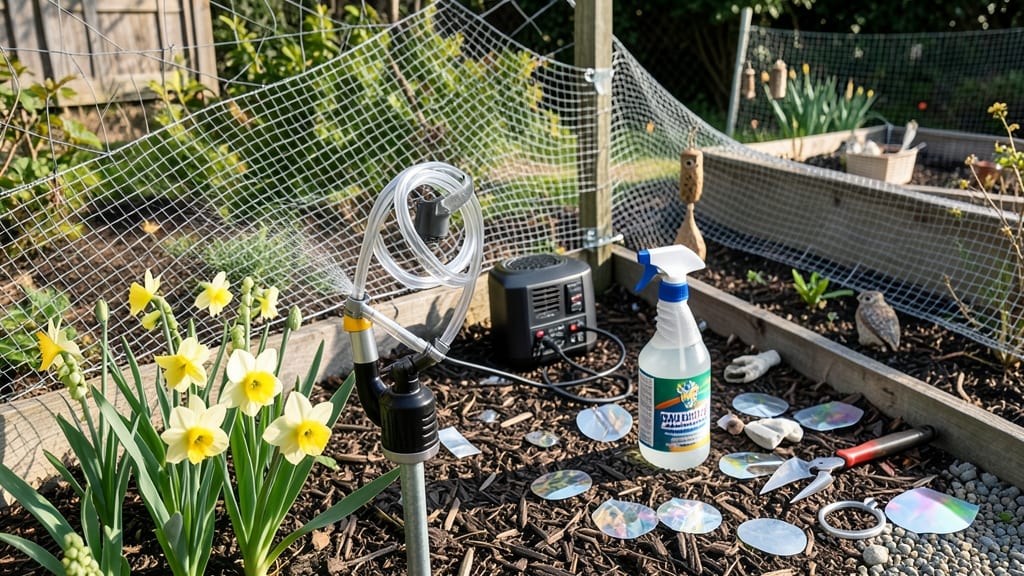
How to keep wildlife away from your garden—without cruelty or chemicals—is easier than you think. 🌿 After years of gnawed plants and dug-up soil, I finally found humane repellents that actually work. The key isn’t scaring them off but making your garden less appealing than the woods or meadow they prefer.
You’ll need a mix of physical barriers (like tall fencing for deer or chicken wire for rabbits), natural repellents (garlic spray, predator urine, or hot pepper solutions), and smart landscaping choices.
I’ve tested what works over five seasons—no more chewed tomatoes or stolen strawberries. The secret? Layering multiple methods so wildlife has zero reason to stick around.
By the end, your garden will be a fortress of foliage, not a snack bar. You’ll see fewer tracks in the morning, hear fewer rustlings at dawn, and watch your plants thrive without constant vigilance. The best part? These methods protect local ecosystems while keeping your hard work safe.
Works for deer, rabbits, squirrels, and even birds—no matter what’s been raiding your garden. Let’s get started with the most effective, cruelty-free solutions you can implement today.
📚 In This Guide
- What you need
- Instructions
- Tips and common mistakes
- Wrapping up and next steps
What you need
- ● Spices & Herbs: Black pepper, cayenne pepper, garlic powder, onion powder, or red pepper flakes (1–2 tbsp per repellent spray).
- ● Essential Oils: Peppermint, eucalyptus, or citronella oil (10–15 drops per quart of water).
- ● Vinegar: White vinegar (1 cup per quart of water for a strong smell).
- ● Castile Soap: Unscented liquid soap (1 tbsp per quart for a sticky barrier).
- ● Water: Distilled or tap water (1 gallon for mixing).
- ● Spray Bottles: 2–4 empty spray bottles (16–32 oz, with fine mist nozzles).
- ● Mesh or Chicken Wire: 1–2 rolls (for physical barriers, 1/2"–1" mesh size).
- ● Stakes or Posts: 4–6 wooden or metal stakes (6–12 inches long).
- ● Gloves: Rubber or latex gloves (to protect hands from spicy mixes).
- ● Motion-activated sprinklers (for larger gardens).
- ● Reflective tape or old CDs (to deter birds with light/sound).
- ● Predator urine (fox or coyote urine, available at garden stores).
- ● Compost bins or secure trash cans (to remove food attractants).
- ● Plant-based repellents: Marigolds, lavender, or daffodils (natural deterrents).
Step-by-Step instructions for humane wildlife deterrents in your garden
Here’s my go-to approach for keeping critters out without harming them—or your plants.
🌿 Step 1: Identify and Block Entry Points
Start by scouting your garden for easy access points. Squirrels dig under fences, rabbits chew through weak spots, and deer step right through low barriers. I like to use hardware cloth (¼-inch mesh) to reinforce vulnerable areas—bury it 6 inches deep around raised beds and 12 inches deep for perimeter protection. For trees, wrap the trunk with metal flashing up to 4 feet high to deter climbing pests.
Check for gaps in fences, holes in decks, or low-hanging branches deer might use as stepping stones. Seal these with wire mesh or sturdy fabric, ensuring it’s taut and anchored securely. This is the foundation—skip it, and other methods won’t work as well.
💧 Step 2: Use Natural Repellents Strategically
Spray homemade repellents like garlic-chili water (blend 4 garlic cloves + 1 tbsp cayenne pepper + 1 gallon water, strain, and spray on plants) or predator urine (available at garden centers). Reapply every 5-7 days or after rain. I focus on young plants and high-value crops first—deer and rabbits target these most.
For ground cover, scatter gravel or crushed eggshells around vulnerable areas. The texture disrupts digging and makes it uncomfortable for burrowing animals. Avoid over-applying—just enough to create a 3-4 inch barrier around beds. This works best for rabbits and gophers.
☀️ Step 3: Create Physical Barriers with Plants
Plant thorny or pungent shrubs like barberry, rosemary, or boxwood near problem areas. Their scent and texture deter most wildlife. I also use marigolds and lavender—their strong fragrance confuses deer and repels smaller pests. Place these in perimeter rows or interspersed among vulnerable crops.
For raised beds, install chicken wire domes over seedlings or use floating row covers (made of lightweight fabric). Secure edges with bricks or soil to prevent critters from tunneling underneath. This is especially effective for early spring plantings when young shoots are most tempting.
⏰ Step 4: Set Up Motion-Activated Deterrents
Place motion-activated sprinklers (like the Orbit Enforcer) near high-traffic areas. The sudden burst of water startles animals and trains them to avoid your garden. Set them to short, frequent pulses—this mimics natural predator behavior without harming plants. I position mine 10-12 feet apart for full coverage.
For nocturnal visitors, install solar-powered motion lights (like the Suncast Motion Light). The sudden flash disrupts feeding patterns. Place them 6-8 feet above ground and aim at entry points. Pair this with reflective tape on fences—it creates visual disorientation for deer and rabbits.
✂️ Step 5: Maintain and Monitor Regularly
Check your deterrents weekly—especially after rain or storms. Replace damaged hardware cloth, refill repellent sprays, and trim overgrown plants that might provide cover. I keep a garden journal to track which methods work best in each season. Adjust as needed—what repels rabbits might not stop deer.
If you notice new damage, rotate your strategies. For example, if garlic spray stops working, switch to predator urine or add physical barriers. Consistency is key—wildlife learns patterns, so vary your approach seasonally. A little effort now saves your garden later.
Tips & tricks for effective wildlife deterrents
These practical strategies will help you maximize the effectiveness of your garden defenses without harming any critters.
Pest Identification Payoff: Don't guess—actually observe the damage patterns first. Rabbits leave clean-cut edges while deer create jagged tears. I once wasted $30 on deer repellent before realizing squirrels were my real problem. Spend 10 minutes tracking before buying anything—it saves money and frustration.
Spray Application Technique: When using the hot pepper-water mix from Step 2, focus on the undersides of leaves where animals first nibble. The dish soap helps it cling, but add a second coat if you notice fresh damage within 3-5 days. I've found that spraying at dusk (when many pests are most active) gives better results than daytime application.
Barrier Installation Secrets: For chicken wire barriers, overlap sections by at least 4 inches and secure with staples or zip ties. Burying just 6 inches deep won't stop determined diggers—extend to 12 inches for rabbits or gophers. I learned this the hard way when my first attempt failed after heavy rains loosened the soil.
Herb Placement Strategy: Plant your strong-smelling herbs in a circular pattern around vulnerable plants rather than randomly. The concentrated scent creates a natural perimeter that animals instinctively avoid. I've seen deer completely bypass lavender borders that surround my vegetable beds, while unprotected areas get ravaged.
Pro Tips for Keep Wildlife Away From Garden
- These practical strategies will help you maximize the effectiveness of your garden defenses without harming any critt...
- Pest Identification Payoff: Don't guess—actually observe the damage patterns first. Rabbits leave clean-cut edges whi...
- Spray Application Technique: When using the hot pepper-water mix from Step 2, focus on the undersides of leaves where...
Frequently asked questions
Got questions about keeping wildlife out of your garden without harming them?
You’re not alone! Here are some of the most common concerns—and practical answers—to help you tackle unwanted visitors with ease.
What’s the best natural repellent for squirrels and rabbits?
For squirrels, try hot pepper spray (mix cayenne pepper + water) or predator urine (like coyote or fox). Rabbits dislike garlic or onion spray—simmer cloves in water, strain, and spray around plant bases. Reapply after rain for best results!
How often should I reapply wildlife repellents?
Most sprays last 1–2 weeks, but rain or heavy foot traffic can wash them away. Check labels for specific guidance. For physical barriers like fencing, inspect monthly for gaps. Pro tip: Apply repellents in the evening when wildlife is most active!
Will repellents hurt my plants or soil?
Most natural repellents (like vinegar, pepper, or citrus mixes) are plant-safe when used as directed. Avoid over-saturating soil—stick to foliage and borders. For extra caution, test a small area first. Commercial sprays may contain harsh chemicals, so opt for DIY when possible!
When is the best time of year to start deterring wildlife?
Spring is key! Start before planting (March–April) to establish boundaries. Wildlife scouts for food in early spring, so early prevention saves headaches. If pests show up later, act fast—consistency is critical. Fall cleanup (remove fallen fruit, seeds) also helps!
What if repellents don’t work? Are there other options?
Try multiple layers: Combine repellents with fencing (chicken wire for burrowing animals) or ultrasonic devices. For persistent critters, habitat tweaks (remove standing water, secure trash) often work better than sprays alone. Last resort: Contact local wildlife control for humane relocation advice.
Wrapping up and next steps
Keeping wildlife out of your garden doesn’t have to mean harsh chemicals or cruel traps—simple, humane repellents like peppermint oil, garlic spray, or motion-activated sprinklers can make a big difference! 🌱 The key is consistency, combining natural deterrents with smart garden design. You’ve got this!
Ready to take action? Start small—pick one method from this guide and test it in your garden this week. Observe what works best for your local critters, then expand your strategy. Happy gardening! 🌟