
How To
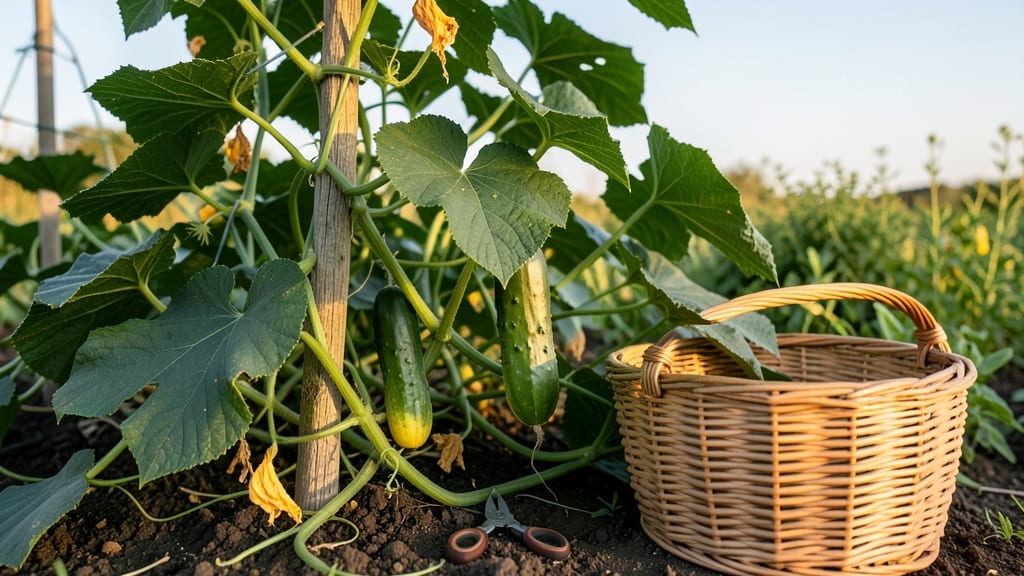
Knowing how to know when a cucumber is ready to pick can mean the difference between crisp, flavorful harvests and bitter, seedy disappointments—yet even seasoned gardeners often miss the subtle cues that signal peak ripeness.
If you've ever pulled a cucumber from the vine only to find it underripe or overripe, you're not alone. The key lies in understanding the three visual signs most gardeners overlook, which can transform your harvest from hit-or-miss to consistently perfect.
From the moment you plant those seeds in late April or May (in USDA Zone 6a), your cucumbers follow a predictable timeline—but timing is everything. I’ll walk you through exactly what to watch for, so you never miss another harvest window again.
Ready to turn your cucumber patch into a productivity powerhouse? Let’s dive into the tricks that’ll have you picking at the perfect moment—every single time.
3 Key visual signs your cucumbers are ready to harvest
Mastering the art of picking cucumbers at the perfect moment transforms your garden from a sea of green vines to a bounty of crisp, flavorful produce. The trick lies in recognizing three subtle but critical visual cues that most gardeners overlook—especially when juggling multiple varieties or busy harvest seasons.
I’ve learned the hard way that waiting too long leads to bitter, seedy cucumbers, while picking too early means sacrificing sweetness and texture. The good news?
These signs work for both slicing and pickling varieties, though their ideal sizes differ slightly. Let’s break down what to watch for in your garden.
📌 Pro Tip: Always harvest in the morning when cucumbers are cool and hydrated—this ensures the most accurate assessment of ripeness.
Slicing varieties: Aim for 6–8 inches in length. These cucumbers are typically darker green and have a slightly bulbous shape at the blossom end.
Pickling varieties: Harvest at 4–6 inches. These are usually smaller, bumpy-skinned, and designed for quick preservation before they overmature.
💡 Common Mistake: Assuming all cucumbers should reach the same size. Heirloom varieties like 'Lemon Cucumber' may stay smaller and yellow when ripe!
A deep, uniform green (or variety-specific color like yellow or white) signals ripeness. Look for no pale patches—these indicate underripe or stressed cucumbers.
🔍 Test It: Hold the cucumber up to a white background. If you see shadows or uneven tones, it’s not ready yet.
Gently press your thumb against the cucumber’s skin. It should feel firm but slightly yielding—like a ripe avocado. If it’s rock-hard, it’s underripe; if it’s soft or mushy, it’s overripe.
🤏 Advanced Tip: For extra-crisp slicing cucumbers, wait until the skin resists gentle pressure but still gives slightly near the blossom end.
One of my biggest harvesting fails happened when I ignored these cues and let cucumbers grow too large. The result? Tough, seedy, and bitter produce that ended up in the compost. Now, I check all three signs—size, color, and texture—before making the cut.
For container growers, this becomes even trickier because space is limited. I’ve trained myself to harvest every 2–3 days during peak season to prevent overcrowding, which stresses the plant and reduces flavor.
🌱 Seasonal Note: Early-season cucumbers (those picked in June or early July) tend to ripen faster due to warmer temperatures. Adjust your timing accordingly—check for readiness every 48 hours during heatwaves.
Finally, don’t forget the stem test: Twist the cucumber gently at the stem. If it snaps cleanly (rather than tearing), it’s ready. This simple trick saves hours of guesswork and ensures you’re picking at peak flavor.
How cucumber variety changes harvest timing (and what to watch for)
Not all cucumbers follow the same rules for ripeness—variety matters more than you think. Slicing cucumbers, pickling cucumbers, and heirloom types each have unique cues for peak harvest.
For example, slicing cucumbers like 'Straight Eight' should reach 6–8 inches with deep green skin, while pickling varieties like 'Boston Pickling' are best at 3–4 inches for crisp texture. Ignoring these differences can lead to overripe or underripe produce, no matter how perfect your growing conditions are.
Heirloom varieties often have unexpected color changes—some turn yellow or white when ripe, while others stay green but develop a waxy bloom on the skin. Always check your seed packet for variety-specific guidance, as these traits can vary widely.
Even within the same plant, different cucumbers may ripen at different rates, so harvest frequency becomes key to avoiding waste.
🌱
For parthenocarpic varieties (self-pollinating), timing is even more critical—they won’t develop seeds, so you must harvest them before they overgrow. These types often have shorter harvest windows (just 5–7 days between readiness and overripe).
If you’re growing a mix of varieties, label your plants or use color-coded tags to avoid confusion during harvests.
Seasonal shifts also play a role—early-season cucumbers (planted in April) may ripen faster than those planted in late May or June. Watch for temperature drops in late summer, which can slow ripening.
In hot climates, cucumbers may mature 2–3 weeks earlier than in cooler regions, so adjust your expectations based on your USDA zone and local weather patterns.
Pro tip: If you’re unsure about a cucumber’s variety, taste-test a small slice—ripe cucumbers should be crisp, sweet, and slightly floral, while underripe ones taste bitter or bland. This quick check can save you from harvesting too early or too late.
✂️