How To
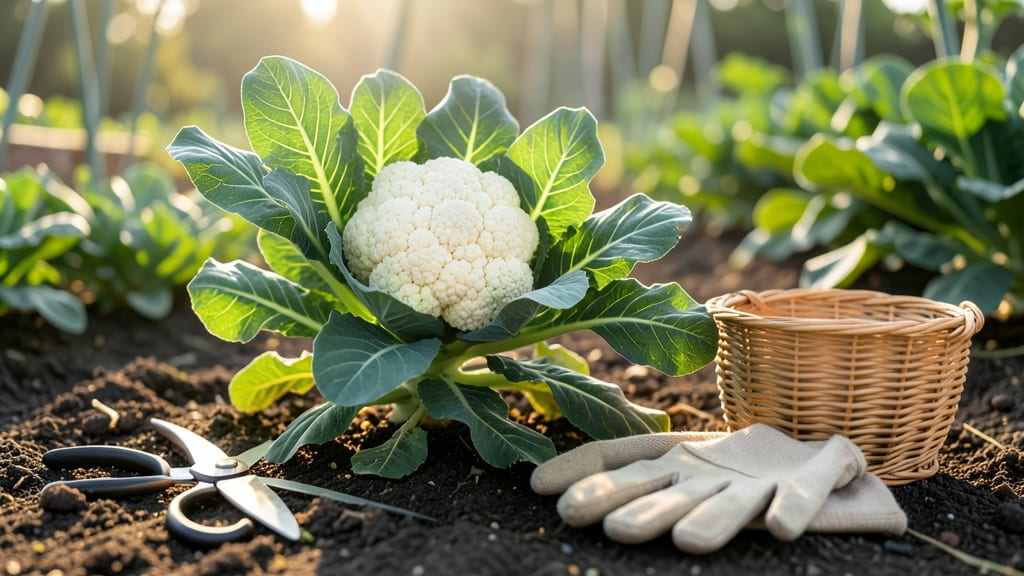
How to know when to harvest cauliflower** can mean the difference between a tender, flavorful curd and a bitter, overgrown mess. That perfect moment arrives when your 🥬 reaches the right size, color, and firmness—but spotting it takes practice.
If you've ever pulled a head too early (and ended up with a sad, loose curd) or too late (and watched it turn yellow and crumble), you know how frustrating it can be. The good news? There are clear visual cues and simple checks that make this process foolproof.
In this guide, I'll walk you through the three key signs your cauliflower is ready to harvest—plus how to avoid common mistakes that ruin your harvest. Whether you're a beginner gardener or a seasoned pro, these tips will help you pick your 🥬 at its peak.
Ready to learn the secrets to harvesting cauliflower at its best? Let's dive into the details so you can enjoy that satisfying crunch every time.
3 Visual cues to identify perfectly ripe cauliflower heads
Harvesting cauliflower at the right moment transforms your garden into a flavor powerhouse—but timing is everything. Miss the window, and you’ll end up with tough, bitter curds or loose florets that fall apart.
The key lies in three visual cues that signal peak ripeness: head size, color, and leaf condition. Master these, and you’ll consistently harvest cauliflower that’s tender, sweet, and perfect for roasting or raw snacking.
First, let’s tackle the most obvious sign: head size. A fully mature cauliflower head typically measures between 6 to 8 inches in diameter. If your variety is smaller (like ‘Snowball Y Improved’), aim for 4 to 6 inches.
The head should feel heavy for its size, indicating it’s packed with moisture and nutrients. Smaller heads might still be developing, while oversized ones often signal overmaturity.
Next, pay close attention to the color of the curd. For classic white cauliflower, the florets should be creamy white or pale ivory. If you’re growing purple or orange varieties, the color should be deep and vibrant, not fading or yellowing.
A greenish tint means the head isn’t fully matured yet—it needs more time in the ground. Conversely, if the curd starts turning yellow or brown, it’s past its prime and will develop a bitter taste.
- 📏 Head Size: 6–8 inches in diameter (smaller for dwarf varieties).
- 🎨 Curd Color: Creamy white (or deep purple/orange for heirlooms).
- 🌿 Leaf Condition: Outer leaves yellowing but still wrapping the head.
Don’t overlook the outer leaves, which act like a natural blanket for the developing head. When ready for harvest, the leaves around the curd will start yellowing and dying back, but they should still partially cover the head.
If the leaves are fully green and lush, the curd needs more time. On the flip side, if the leaves have completely withered or fallen away, the cauliflower may have already bolted (gone to seed), resulting in a tough, fibrous texture.
Another pro trick? Give the head a gentle squeeze. A ripe cauliflower should feel firm yet slightly yielding, almost like a ripe avocado. If it’s rock-hard, it’s underripe; if it feels mushy or spongy, it’s overdue for harvest.
This tactile check works best in the morning when the plant is hydrated and cool.
For purple or orange cauliflower varieties, the color cues are even more critical. The florets should be deeply pigmented, not fading to green or brown. These heirloom types often mature faster than white varieties, so monitor them closely—especially in hot weather, which can accelerate bolting.
If you notice the head splitting or opening up, it’s a clear sign to harvest immediately, even if the color isn’t perfect.
Seasonal timing also plays a role. In cooler climates (Zones 1–5), cauliflower typically reaches harvest readiness in late spring to early summer, while warmer zones (6–10) may see harvests stretching into fall or winter.
Always align your harvest with the plant’s natural growth cycle—after all, cauliflower is a cool-season crop that struggles in extreme heat.
One common mistake? Harvesting based solely on days to maturity listed on seed packets. While these guidelines are helpful, they’re not foolproof—soil temperature, daylight hours, and variety all influence timing.
For example, ‘Romanesco’ varieties might take longer to mature than ‘Snowball’ types. Always cross-reference visual cues with the seed packet’s timeline for the most accurate results.
Finally, remember that harvesting cauliflower doesn’t mean the plant is done. Many varieties, especially ‘De Cicco’ or ‘Purple of Sicily’, will produce side shoots after the main head is harvested.
Once you’ve cut the primary curd, keep an eye on the plant—you might get a second (or even third) harvest in the same season!
How to check cauliflower maturity without damaging the plant
Checking your cauliflower maturity without harming the plant is all about gentle observation and knowing what to look for. Start by examining the outer leaves—they should begin to yellow and die back slightly around the curd.
This natural process signals the plant is directing energy to the head, not the foliage. Avoid pulling or tugging leaves, as this can stress the plant and reduce future yields.
Next, focus on the curd's firmness. Use your fingers to gently apply pressure—it should feel solid but slightly yielding, like a ripe avocado. If it feels too hard or rubbery, it may need more time.
If it’s mushy, you’ve waited too long. This test is non-invasive and helps you gauge readiness without damaging the plant.
For color cues, inspect the curd closely. White varieties should appear creamy and fully closed, while purple or orange types should show their signature hues.
Avoid heads that are green-tinged or starting to open—these are past their prime. A quick visual check here prevents over-maturity while ensuring you don’t harvest too soon.
Step-by-Step Maturity Check
- Step 1: Gently part outer leaves to expose the curd. Look for yellowing leaves around the base.
- Step 2: Check curd size—aim for 6-8 inches in diameter for most varieties.
- Step 3: Press the curd lightly—it should feel firm but slightly soft.
- Step 4: Verify color consistency. White heads should be creamy, not green or yellow.
- Step 5: If all signs align, harvest within 1-2 days to preserve freshness.
Timing your harvest is crucial for flavor and texture. If you notice the curd starting to loosen or split, it’s a clear sign to act quickly. Split heads often indicate over-maturity, but they can still be harvested for quick cooking.
Just trim away any loose florets and use them promptly. This approach minimizes waste while keeping your garden productive.
Pro tip: Harvest in the morning when temperatures are cooler. This reduces stress on the plant and helps maintain the crispness of your cauliflower.
Use a sharp knife to cut the stem about 1 inch below the curd, leaving the plant intact for potential side shoots—especially true for varieties like ‘Purple of Sicily’ or ‘Romanesco’.
By mastering these non-destructive checks, you’ll extend your cauliflower’s productivity and enjoy homegrown harvests all season long. Happy gardening! 🌱