
How To
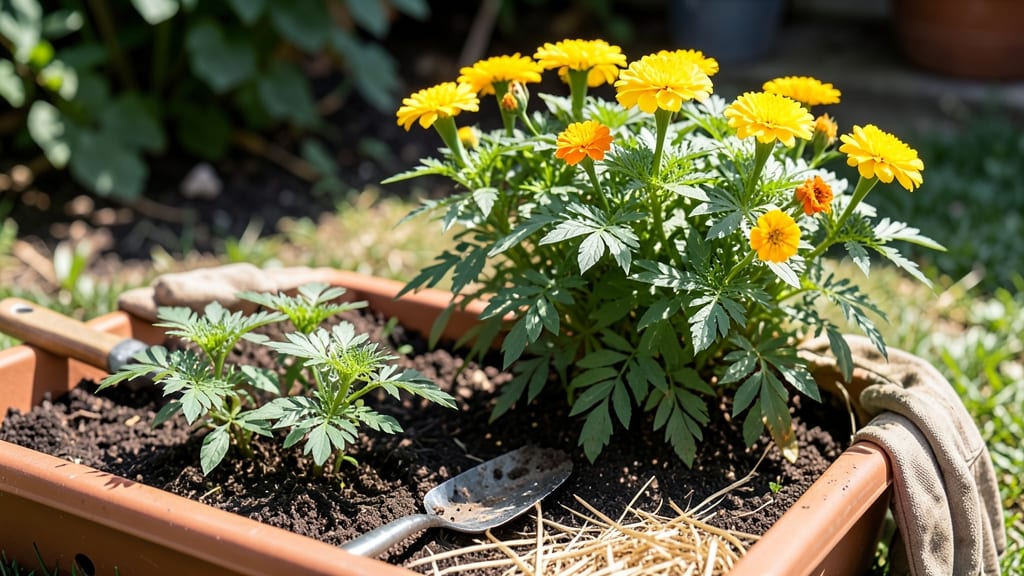
Growing marigolds from seed is easier than you think—just ¼ inch of soil and a sunny spot. 🌱 I've turned my backyard into a year-round riot of orange and gold by mastering the simple tricks that keep these tough little flowers blooming nonstop. The secret?
Matching their love of sunlight with the right soil and watering routine. French marigolds spread like ground cover, while African types grow taller and bolder. Both thrive in full sun but hate soggy roots—plant them in well-draining soil and water only when the top inch feels dry.
My first batch went from seed to bloom in just 6 weeks, and now I can't imagine a garden without them. You'll end up with flowers that repel pests naturally while adding vibrant color to borders, containers, or even your dinner table.
The fragrance alone makes them worth growing—citrusy and cheerful, like a sunny afternoon in a bottle. Works for both indoor starts (under grow lights) and direct outdoor sowing. Here's how to get those first true leaves popping up reliably every season.
📚 In This Guide
- What you need
- Instructions
- Tips and common mistakes
- Wrapping up and next steps
What you need
- ● Marigold seeds: Choose from varieties like French marigolds (compact, double blooms) or African marigolds (taller, bold petals). Buy 50–100 seeds for a small patch or 200+ for a full garden bed.
- ● Potting soil or garden soil: Well-draining, sterile mix (e.g., Miracle-Gro Potting Mix or cactus/succulent soil for containers). Use 1–2 bags (5–10 quarts) per planting.
- ● Containers or garden bed: For seeds: Seed trays or biodegradable pots (3–4 inches deep).
- ● For transplants: 5–6 inch pots or a garden bed with 6–12 inches of spacing between plants.
- ● Watering can or spray bottle: With a fine rose nozzle for gentle watering.
- ○ Fertilizer (optional but recommended): Balanced 10-10-10 fertilizer (1 tbsp per gallon of water).
- ● Compost or worm castings (1 cup mixed into soil).
- ● Gloves: Gardening gloves to protect your hands from soil and thorns.
- ● Trowel or small shovel: For transplanting or digging soil.
- ○ Mulch (optional): Straw or shredded leaves to retain moisture (1–2 inches thick).
- ● Grow lights (indoor starters): LED grow lights (12–16 hours/day) if germinating seeds inside.
- ● Pruning shears: For trimming dead blooms or shaping plants.
- ● Sunlight: Full sun (6–8+ hours daily)—marigolds thrive in warmth!
- ● Temperature: Ideal germination: 70–75°F (21–24°C). Mature plants tolerate 50–90°F (10–32°C).
- ● Patience: Seeds sprout in 7–14 days; full blooms take 6–8 weeks.
Tips & tricks for perfect marigold cultivation
Here's what nobody tells you about growing marigolds that'll make all the difference between a few sad blooms and a garden bursting with color.
Lighting Secret: Those 12-14 hours of daily grow light in Step 1 aren't just about germination—they're about preventing leggy seedlings. I've seen seedlings stretch like overcooked noodles when they don't get enough light. If you don't have grow lights, place your trays on a sunny windowsill (south-facing is best) and rotate them daily so all sides get equal light exposure.
Seedling Care: The 5-10 day germination window can feel like an eternity, but patience pays off. Once those first sprouts appear, resist the urge to move them immediately. Let them stay under lights for 3-4 days to build strength before transitioning to a windowsill. I learned this the hard way after moving seedlings too soon and watching them wilt.
Transplanting Wisdom: When transplanting your 12-18 inch spaced seedlings, dig holes that are actually 1-2 inches deeper than the root ball. This encourages stronger root growth down into the soil. I've found that marigolds planted at the correct depth bloom 2-3 weeks earlier than those planted too shallowly.
Watering Strategy: The "water when top inch is dry" rule works, but here's the pro move: water in the morning so leaves have all day to dry. This prevents fungal issues that can come from overnight moisture. I've seen marigolds develop powdery mildew when watered at night—don't make my mistake!
Pro Tips for Make A Marigold
- Here's what nobody tells you about growing marigolds that'll make all the difference between a few sad blooms and a g...
- Lighting Secret: Those 12-14 hours of daily grow light in Step 1 aren't just about germination—they're about preventi...
- Seedling Care: The 5-10 day germination window can feel like an eternity, but patience pays off. Once those first spr...
Frequently asked questions
Got questions about growing marigolds?
You’re not alone! Here are answers to the most common queries—from timing to troubleshooting—so you can cultivate vibrant blooms with confidence.
When is the best time to plant marigolds?
Plant marigolds after the last frost when soil temperatures reach at least 50°F (10°C). For year-round blooms, start seeds indoors 6–8 weeks before the last frost or opt for heat-tolerant varieties like French marigolds. In warmer climates, you can plant in early spring or fall!
How long does it take for marigolds to flower?
Most marigolds bloom 6–8 weeks after planting from seed, though some varieties (like African marigolds) may take slightly longer. For faster results, buy young plants from nurseries—they’ll flower in 4–6 weeks!
Do marigolds need a lot of water?
Marigolds are drought-tolerant once established, but keep soil lightly moist during germination and flowering. Water at the base (avoid wetting leaves) to prevent fungal diseases. Overwatering is worse than underwatering—let the top inch of soil dry out between waterings!
What pests or diseases should I watch for?
Common pests include aphids, spider mites, and slugs. For prevention, use neem oil or companion plants like basil. Watch for powdery mildew (white fungus) in humid conditions—improve airflow and avoid overhead watering. Healthy plants resist most issues!
Can I grow marigolds in containers or small spaces?
Dwarf varieties (like ‘Tangerine Gem’) thrive in pots as small as 6 inches wide. Use well-draining soil and place containers in full sun (6+ hours daily). Just ensure pots have drainage holes to prevent root rot.
Will marigolds grow in partial shade?
Marigolds love sunlight and may produce fewer blooms in shade. However, in hot climates, light shade in the afternoon can help prevent wilting. If you must shade them, choose French marigolds—they tolerate partial shade better than others.
Wrapping up and next steps
You’ve now unlocked the sunshine secrets to growing vibrant marigolds year-round! 🌻 With the right soil, light, and care, these cheerful blooms will reward you with months of color and even help deter pests naturally.
Whether you’re a gardening newbie or a seasoned pro, every seedling planted is a step toward a brighter, more resilient garden.
Ready to take the next step? Start small—try a few pots on your balcony or a single patch in your garden. Track your progress, experiment with varieties, and soon, you’ll be sharing your marigold magic with neighbors (or even selling starts!). Happy growing! 🌱