
How To
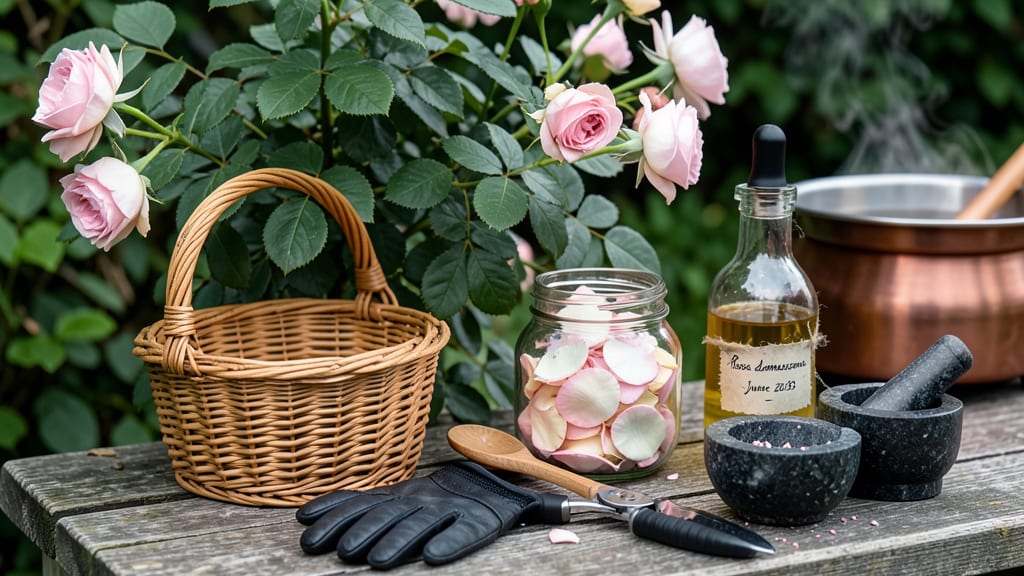
Making rose oil from petals turns your garden into a fragrant apothecary. ✨ The process is simpler than you think—no fancy lab equipment needed. I’ve distilled oil from my own roses, and the scent is so rich it lingers for hours on my skin.
You’ll need fresh or dried petals (about 1 cup), a carrier oil like jojoba or sweet almond, and a dark glass jar. The key is patience: let the petals steep for 4-6 weeks in a cool, dark place, shaking gently every few days.
This slow maceration extracts the delicate rose fragrance without heat or solvents. The result is a luxurious, 100% natural perfume oil that costs pennies per drop compared to store-bought versions. Plus, you’ll understand why roses are called the "queen of flowers"—their scent is unmatched.
Just avoid direct sunlight, which can degrade the oil’s potency. This method works with any rose variety, but hybrid teas and damasks yield the strongest aroma. Prune your roses regularly for more petals, and you’ll have endless batches. Ready to turn petals into gold?
📚 In This Guide
- What you need
- Instructions
- Tips and common mistakes
- Wrapping up and next steps
What you need
- ● Fresh or dried rose petals: 1 cup (about 100g)—ensure they’re pesticide-free and fully bloomed for the best aroma.
- ● Carrier oil: ½ cup (120ml)—choose sweet almond, jojoba, or grapeseed oil (light, odorless, and skin-friendly).
- ● Glass jar or bottle: 16oz (500ml) capacity—preferably dark amber or cobalt blue to block light.
- ● Fine-mesh strainer or cheesecloth: for filtering petals post-infusion.
- ● Wooden spoon or spatula: for gentle stirring.
- ● Small funnel: to avoid spills when transferring oil.
- ○ Dark glass dropper bottles (optional but recommended): for storing your finished rose oil.
- ● Food dehydrator or oven: for drying petals if using fresh ones (set to low heat, 170°F/77°C).
- ● Alcohol (vodka or everclear): ¼ cup (60ml)—adds a preservative boost for longer shelf life (mix post-infusion).
- ○ Essential oil (optional): 2-3 drops of vanilla or lavender—enhances scent complexity.
- ● Label and marker: to tag your creation with the date and ingredients.
Step-by-Step instructions for making rose oil from rose petals
Here's the straightforward method I've used to create lush, fragrant rose oil at home—no fancy equipment needed.
🌿 Step 1: Gather and Prepare Fresh Rose Petals
Collect 2 cups of fresh, organic rose petals from healthy roses—avoid sprayed flowers or those treated with pesticides. The best time to harvest is early morning when the petals are fully open and their oils are most concentrated. Gently rinse them in cool water to remove any dirt or debris, then pat them completely dry with a clean towel.
Here's the thing—wet petals won't work. Any moisture in your oil will cause it to spoil quickly. Spread the petals on a clean kitchen towel or paper towels in a single layer and let them air-dry for 1-2 hours in a well-ventilated area, away from direct sunlight. You'll know they're ready when they feel crisp to the touch.
💧 Step 2: Infuse the Petals in Carrier Oil
Choose a high-quality, neutral carrier oil like sweet almond oil, jojoba oil, or grapeseed oil—these won't overpower the rose scent. Pour 1 cup of carrier oil into a clean, glass jar with a tight-fitting lid. Add the dried rose petals, filling the jar about halfway. Seal the jar tightly and place it in a spot where it will receive indirect sunlight for 4-6 weeks.
I like to store mine in a sunny windowsill, but avoid direct sunlight—it can degrade the oils and turn the mixture rancid. Shake the jar gently every 2-3 days to ensure the petals stay submerged in the oil. You'll see the oil gradually turn a soft pink hue as it absorbs the rose's essence.
☀️ Step 3: Strain and Store the Finished Oil
After 4-6 weeks, strain the infused oil through a fine-mesh sieve or cheesecloth into a clean glass bottle. Press the petals gently to extract every last drop of oil. Discard the used petals—they're spent now. Your rose oil should have a rich, intoxicating fragrance. If it smells faint, let it infuse for another 1-2 weeks.
Store the finished oil in a cool, dark place, like a cabinet or pantry. It will keep for 6-12 months, though the scent may mellow over time. For best results, use it within 6 months for the most vibrant aroma. Label your bottle with the date so you can track its potency.
⏰ Optional Step: Speed Up the Process with Heat (If Needed)
If you're in a hurry, you can gently warm the jar in a 100°F water bath for 1-2 hours every 2-3 days during the infusion process. This shortens the time to 2-3 weeks while preserving the scent. Just be careful not to overheat—oils can spoil if exposed to temperatures above 120°F.
Here's what I've found: heat speeds things up, but the oil may have a slightly less complex aroma. If you're making this for personal use, the extra time is worth it for the richer scent. For large batches, heat infusion is a practical compromise.
Tips & tricks for perfect rose oil infusion
Turning simple petals into luxurious rose oil is easier than you think—these small details make all the difference.
Petal Selection: Not all roses work equally! Look for deep pink or red roses—they contain the highest concentration of essential oils. Avoid white roses (like hybrid teas) and heavily perfumed varieties, as their scent profiles can be weak or overpowering. I've found that old garden roses or David Austin varieties produce the most potent oils. If you're using store-bought petals, make sure they're labeled "organic" and pesticide-free—chemical residues can ruin your infusion.
Drying Technique: The 1-2 hour drying time in Step 1 is non-negotiable. Any lingering moisture will create a breeding ground for bacteria, causing your oil to spoil within days. For extra insurance, place a small silica gel packet in your drying area to absorb any remaining dampness. I've ruined three batches by skipping this step—don't make my mistake! Once dry, the petals should feel crisp like tissue paper when you handle them.
Infusion Timing: The 4-6 week infusion period might seem long, but patience pays off here. Check your oil after 4 weeks—if it's still very faint, give it the full 6 weeks. The scent develops gradually, and rushing it will leave you with a weak, watery fragrance. I've found that jars placed in east-facing windows (gentle morning sun) develop the most complex aroma profiles. If you're using the heat method, stick to the 100°F limit—any hotter and you risk losing volatile aromatic compounds.
Storage Wisdom: Once your oil is ready, transfer it to an amber glass bottle for maximum protection against light degradation. The 6-12 month shelf life assumes proper storage in a cool, dark place—never leave it on a sunny windowsill after infusion! For best results, use your rose oil within 6 months for that fresh, vibrant scent. I like to label my bottles with both the date and the rose variety used—it helps me track which oils develop the most complex aromas over time.
Pro Tips for Make Rose Oil From Rose Petals
- Turning simple petals into luxurious rose oil is easier than you think—these small details make all the difference.
- Petal Selection: Not all roses work equally! Look for deep pink or red roses—they contain the highest concentration o...
- Drying Technique: The 1-2 hour drying time in Step 1 is non-negotiable. Any lingering moisture will create a breeding...
Frequently asked questions
Got questions about crafting your own rose oil? Here are answers to the most common ones—so you can dive in with confidence!
How long does it take for rose petals to infuse their oil?
The infusion process usually takes 4–6 weeks for optimal potency. Patience is key—longer infusion (up to 8 weeks) yields a richer scent. Check weekly for color changes (deep pink = ready!). Store the jar in a cool, dark place to slow oxidation.
Can I speed up the process?
No, but you can maximize efficiency! Use fresh, organic petals (dried petals work too but take longer). Seal the jar tightly, and place it in a sunny windowsill (indirect light helps). Avoid heat—it can degrade the oil. For a quicker (but less potent) result, try a double infusion (transfer to a new jar after 2 weeks).
What if my oil turns cloudy or smells off?
Cloudiness or a rancid smell means oxidation—common if exposed to light/air. Discard it and start fresh! To prevent this:
- Use glass jars only (no plastic).
- Store in a dark, cool place (like a cabinet).
- Add a few drops of vitamin E oil (natural preservative).
Can I use other flowers or herbs with rose petals?
Experiment with lavender, chamomile, or jasmine for blended scents. Just adjust ratios—start with 50/50 if you’re new. Avoid citrus peels (they can spoil faster) or strong herbs like mint. For a herbal-infused oil, add them after the rose petals have infused for 2 weeks.
Is homemade rose oil cheaper than store-bought?
Yes! A single batch (using 1 cup petals) costs $5–$10 vs. $20–$50 for commercial rose oil. Plus, you control quality—no synthetic additives. Pro tip: Grow your own roses or forage petals (check local regulations) to cut costs further!
Wrapping up and next steps
You’ve now unlocked the art of crafting your own rose oil—a luxurious, handmade treasure straight from your garden! 🌹 With just a few simple steps, you’ve transformed delicate petals into a fragrant elixir perfect for perfumes, skincare, or even relaxation.
This process isn’t just rewarding; it’s a celebration of nature’s beauty in your own hands.
Ready to elevate your DIY journey? Experiment further! Try infusing different flowers, adjusting ratios for stronger scents, or gifting your rose oil to loved ones. The possibilities are endless—happy blending! ✨