
How To
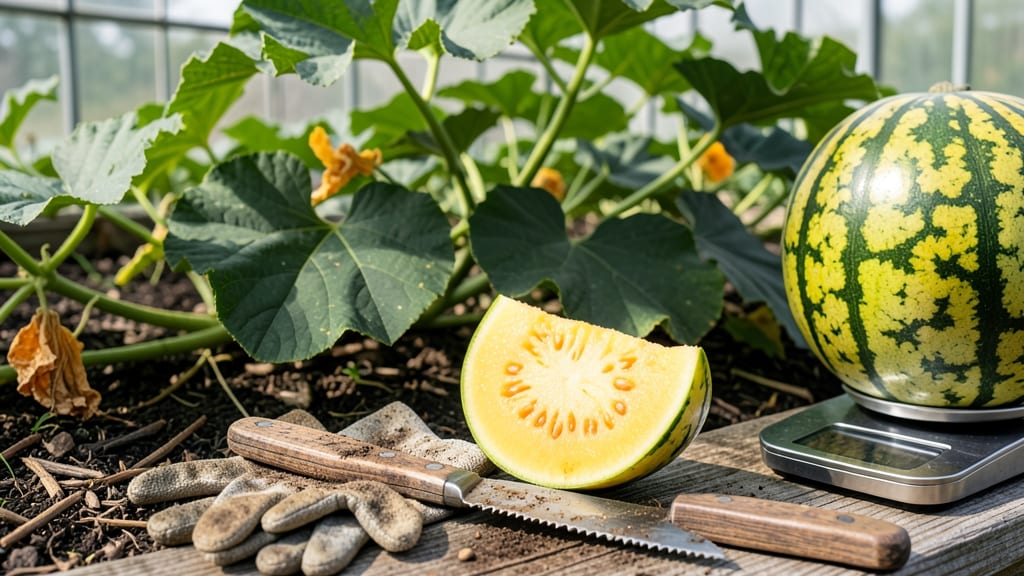
Picking a ripe yellow watermelon at the farmers' market can feel like a gamble—until you know the 3 field-tested tricks that reveal sweetness without cutting it open.
That golden rind might just be a natural variation, or it could signal overripeness, and you don’t want to waste your summer harvest on a bland slice.
I’ve spent years testing watermelons in USDA Zone 6a, and what I’ve learned is that the right cues—from rind texture to stem condition—can turn your guesswork into confidence.
Whether you’re harvesting from your own garden or selecting at the store, these methods ensure you bring home a melon packed with flavor every time.
Ready to stop second-guessing? Let’s break down how to evaluate a yellow watermelon’s ripeness, quality, and edibility using simple, foolproof techniques. No more surprises when you slice into that perfect 🍉—just sweet, juicy perfection.
From tapping for hollow sounds to checking the field spot, you’ll discover the secrets that separate a disappointing melon from a summer showstopper. Let’s get started.
3 Key visual cues to identify ripe yellow watermelon
Yellow watermelons like Yellow Doll or Moon and Stars varieties are prized for their sweet, golden flesh—but their yellow rind can be deceiving. Unlike traditional green-skinned watermelons, these yellow-fleshed varieties ripen differently. The key is focusing on three visual cues that reveal true ripeness without cutting open the melon.
First, check the bottom spot where the watermelon rested on the ground. For yellow varieties, this area should turn a creamy yellow or beige, not stay green. A dull, chalky yellow indicates full maturity, while bright yellow spots can signal overripeness or sunburn.
Next, inspect the stem attachment point. A ripe yellow watermelon’s stem will feel dry and papery, often detaching easily when gently twisted. If the stem is still green or sticky to the touch, the melon needs more time on the vine.
This is your first clue that sweetness is developing properly.
Third, examine the rind texture for a hard, dull surface. Run your fingernail across the skin—if it doesn’t puncture easily, the watermelon is ripe. Soft spots or wrinkled skin signal overripeness, while a shiny or waxy rind often means the melon was harvested too early.
Yellow varieties should feel slightly heavier for their size than green-skinned types.
Pro tip: Look for uniform color across the rind. Yellow watermelons with patchy green or dark spots may have been exposed to uneven sunlight, which can affect sweetness. The most reliable yellow varieties like Yellow Crimson develop a consistent golden hue when fully ripe.
Don’t overlook the field spot—the area where the watermelon touched the ground. For yellow varieties, this spot should be dull and matte, not glossy. A glossy field spot often means the melon was harvested prematurely and won’t be as sweet.
This visual cue is critical for distinguishing ripe yellow watermelons from underripe ones.
If you’re still unsure, check the curly tendril near the stem. For ripe yellow watermelons, this tendril should be brown and crispy, not green and flexible. This is nature’s way of signaling that the melon is ready for harvest and packed with sugar.
Remember, yellow watermelons ripen faster than green varieties once picked, so act quickly if you find one with these three key visual cues. Store it in a cool, dry place (50–55°F) to preserve sweetness for up to two weeks.
Now that you’ve mastered the visual inspection, let’s explore how to test sweetness without cutting—because even the best-looking yellow watermelon can hide surprises inside.
3 Key visual cues to identify ripe yellow watermelon
Yellow watermelons like Yellow Doll or Moon and Stars varieties offer a unique, honey-sweet flavor—but their yellow rind can fool even seasoned shoppers. Unlike green-skinned watermelons, these gems rely on color consistency and texture clues to signal ripeness.
Start by examining the field spot, the natural crevice where the melon rested on the ground. A ripe yellow watermelon will show a creamy yellow or beige field spot, not green or white.
Next, inspect the stem end. A fully ripe yellow watermelon’s stem should detach easily from the vine (if still attached) or show a dry, brown tendril. This tendril acts like a ripeness timer—when it dries, the melon is ready.
Skip any with a green or moist stem, as this means it’s underripe. Pro tip: Gently press your thumb into the rind near the field spot. A ripe melon’s rind should yield slightly but feel firm, like a hardcover book.
Don’t overlook the overall rind color. A ripe yellow watermelon should have a uniform yellow hue with no green patches. Some varieties develop dark yellow or orange stripes, which is normal.
Avoid melons with uneven color or dull spots, as these can indicate sunburn or poor growing conditions. For extra confidence, lift the melon—it should feel heavy for its size, a sign of high water content and sweetness.
One common mistake? Assuming all yellow watermelons are ripe just because they’re yellow. Some overripe melons turn a pale yellow or even white near the field spot, while underripe ones may stay greenish-yellow.
Always combine the field spot, stem, and rind firmness checks for accuracy. If you’re still unsure, ask the vendor when it was harvested—melons picked too early won’t ripen further.
For gardeners harvesting their own yellow watermelons, watch for these 3 final signs of ripeness:
- the vine near the melon dies back,
- the rind sounds hollow when tapped, and
- the bottom turns fully yellow.
These cues work for both store-bought and homegrown varieties. Pro tip: Harvest in the morning when temperatures are cooler to preserve sweetness.
Remember, yellow watermelons aren’t always sweeter than green ones—they just have a distinct honey flavor. Use these visual cues to avoid bitter, seedy, or watery surprises inside. With practice, you’ll spot a perfectly ripe yellow watermelon in seconds! 🍉