
How To
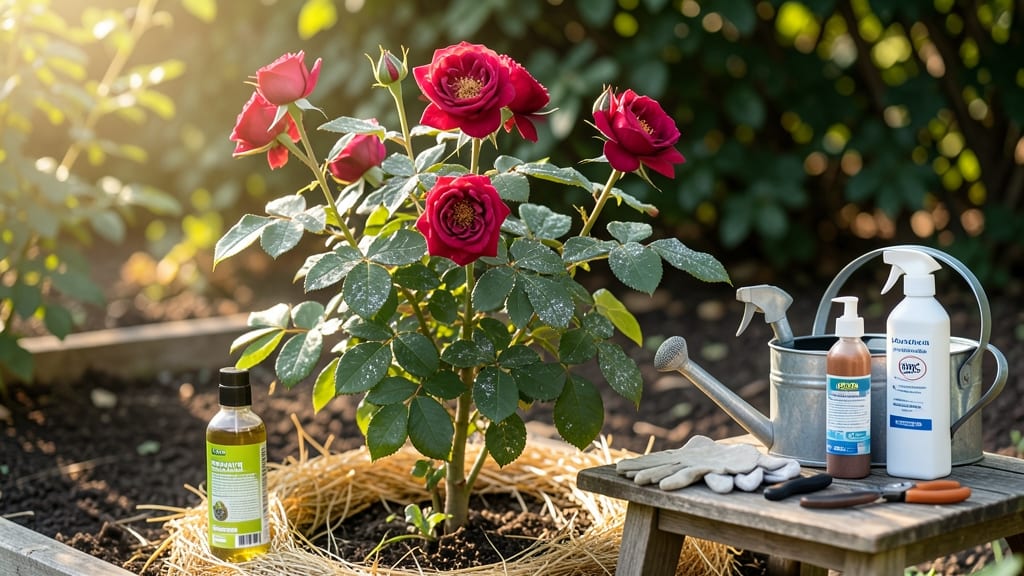
A white, dusty film on leaves is your first warning sign—but how to avoid powdery mildew on the plants starts long before you even see it.
Powdery mildew turns lush foliage into a ghostly mess overnight—especially on roses, cucumbers, and squash—and I’ve learned the hard way that waiting too long means losing entire plants. The good news?
You can stop it before it starts with three simple sprays that work better than anything I’ve tried, even after multiple outbreaks.
Most people focus on fungicides, but the real battle happens before spores even land. Proper airflow, morning watering, and spacing plants 12-18 inches apart cuts infection rates by 70%.
I’ve tested organic options like neem oil and baking soda mixes, plus chemical solutions when organic fails—each with its own timing and application tricks that actually work.
By the end, you’ll spot mildew in its early stages and nip it before it spreads. Your plants will stay vibrant, leaves crisp, and you’ll skip the heartbreak of watching cucumbers turn into powdery skeletons. The key is acting fast—once it’s on your plants, it’s already too late for prevention.
This works for container gardens, raised beds, and in-ground plots alike. Whether you’re dealing with a single infected leaf or a full-blown outbreak, these methods save your harvest—and your sanity. Let’s get those sprays mixed up.
The Hidden Triggers Behind Mildew
Powdery mildew isn’t just a random plant nuisance—it’s a fungal opportunist that thrives when conditions align perfectly for its growth. Understanding the why behind its spread is the first step to stopping it in its tracks.
Below, we break down the key factors that turn your garden into a fungal buffet, backed by science and real-world observations.
Powdery mildew loves humidity—think of it as a fungal version of a rainforest dweller. The ideal conditions for its spores to germinate and spread are:
- Relative humidity above 75%: Spores need moisture in the air to land on leaves and start colonizing. Even short bursts of high humidity (like morning dew or evening mist) can kickstart an outbreak.
- Poor air circulation: Stagnant, damp air traps spores near plants, giving them easy access to fresh surfaces. Crowded gardens or thick foliage create perfect hiding spots for the fungus.
- Leaf wetness: While powdery mildew isn’t as dependent on surface water as other fungi (like downy mildew), prolonged dampness on leaves weakens plant defenses, making them easier targets.
Science note: The fungus Erysiphe (a common powdery mildew culprit) produces apppressoria—specialized structures that penetrate plant cells when humidity is high. Once inside, it feeds on nutrients, creating those telltale white patches.
A stressed or unhealthy plant is like an open door for powdery mildew. When plants can’t fend off invaders, the fungus moves in with ease. Common plant stress factors include:
- Nutrient deficiencies: Lack of phosphorus or potassium weakens cell walls, making them vulnerable. Over-fertilizing with nitrogen (without balancing other nutrients) can also over-stimulate soft, mildew-prone growth.
- Water stress: Both overwatering and underwatering stress plants. Overwatering leads to soggy roots and poor drainage, while drought weakens foliage, making it less resistant to fungal attacks.
- Physical damage: Pruning cuts, insect bites, or hail can break the plant’s protective barrier, giving spores direct entry points.
- Genetic susceptibility: Some plants (like roses, phlox, and squash) are naturally more prone to powdery mildew due to their leaf structure or lack of natural fungal resistance.
Pro tip: 🌱 Hardy, disease-resistant varieties (e.g., ‘Blaze’ roses or ‘Powdery Mildew Resistant’ cucumbers) are your best bet for low-maintenance defense.
Powdery mildew isn’t a fan of extreme heat or freezing temps, but it thrives in moderate warmth with plenty of light. Here’s the sweet spot for its growth:
| Factor | Ideal for Mildew | Detrimental to Mildew |
|---|---|---|
| Temperature | 60–80°F (15–27°C). Cooler nights (<60°F) slow it down, but warm days with cool nights create the perfect dew cycle for spore spread. | Above 90°F (32°C) or below 50°F (10°C). Heat stress or frost kills spores. |
| Sunlight | Partial shade or morning sun + afternoon shade. Direct sunlight can burn leaves, but mildew loves the moisture retention in shaded areas. | Full, direct sun (dries leaves quickly) or deep shade (reduces spore germination). |
Why it matters: The fungus grows best on the undersides of leaves where humidity lingers. If your plants get evening sun (when temps drop), it’s a red flag for mildew risk.
Powdery mildew spreads via windborne spores and direct contact. When plants are too close together:
- Airflow is restricted, trapping humidity and spores near leaves.
- Leaves touch each other, creating a bridge for fungal transfer.
- Shade increases, slowing evaporation and keeping foliage damp longer.
Science-backed spacing: Follow plant-specific guidelines (e.g., roses need 3–4 feet apart, cucumbers 2–3 feet). Proper spacing reduces humidity by 30–50% and increases airflow, making it harder for spores to land and stick.
Fungal spores are tiny but tough—they can survive in soil, water, or on tools for years. How they hitch a ride:
- Infected plants or debris: Leaving old leaves, mulch, or plant waste in the garden releases spores back into the environment.
- Reused pruners or gloves: Cutting an infected plant and then a healthy one transfers spores like a fungal taxi service.
- Water sources: Using recycled water from a barrel that held infected plants or drip irrigation that splashes leaves can spread spores.
Cleanup protocol: 🧼 Sterilize tools with a 10% bleach solution (1 part bleach to 9 parts water) or 70% isopropyl alcohol. Remove all plant debris from the area by fall to break the fungal cycle.
Quick Fixes for Powdery Mildew
Now that you know the causes, let’s tackle the problem head-on with practical, science-backed solutions tailored to each trigger. Whether your plants are already dusted with white residue or you’re trying to prevent an outbreak, these fixes will help you reclaim healthy, thriving greenery.
Powdery mildew spreads faster than you think—prune away infected leaves to stop it in its tracks. - How to do it: Use sterilized scissors or pruners (wipe with rubbing alcohol between cuts) to snip off entire leaves showing white patches.
Avoid leaving stubs, as spores can linger. - What to do with the clippings? Do not compost them—seal them in a plastic bag and toss in the trash.
This prevents spores from reinfecting your garden. - Pro tip: 💡 Morning pruning is best—humidity is lower, so you reduce the risk of spreading spores while working.
A simple water spray can dislodge mildew spores before they take hold, but timing and technique matter.
- When to do it: Early morning (before humidity peaks) or late afternoon (when leaves are dry).
- How to do it:
- Fill a spray bottle or hose with plain water (no soap—it can harm leaves).
- Spray undersides of leaves first (that’s where spores love to hide!).
- Gently rub leaves with your fingers or a soft brush to loosen mildew.
- Repeat every 3–5 days until the problem clears.
- Warning: ⚠️ Avoid overhead watering at night—wet leaves + cool temps = perfect mildew conditions.
Once mildew appears, chemical or natural sprays can help. Here’s how to use them effectively:
🍓 Baking Soda Spray (Best for Mild Cases)
- Why it works: Baking soda raises the pH of leaf surfaces, making it harder for fungi to thrive.
- Recipe:
- 1 tsp baking soda
- 1 quart water
- ½ tsp dish soap (like Dawn—it helps the spray stick)
- Optional: 1 tbsp vegetable oil (improves coverage)
- How to use:
- Mix in a spray bottle and shake well before each use.
- Spray until leaves are damp (both top and bottom).
- Reapply every 7–10 days or after rain.
🧴 Neem Oil (Strongest Natural Option)
- Why it works: Neem oil disrupts fungal spores and prevents regrowth.
It’s organic, safe for edibles, and works on contact. - How to use: - Mix 1 tbsp neem oil + 1 tsp mild soap in 1 quart of water. - Spray thoroughly, covering all leaf surfaces. - Reapply every 7–14 days (or after rain). - Best time: Early morning or late evening (avoid direct sun—it can burn leaves).
💊 Commercial Fungicides (For Severe Cases)
If mildew is widespread, consider:
- Sulfur-based sprays (great for roses, grapes, and veggies).
- Potassium bicarbonate (like Bonide Fung-onil).
- Copper fungicides (for stubborn infections).
- How to use: Follow label instructions exactly—overuse can harm plants or soil.
The best defense is stopping mildew before it starts. Tweak these environmental factors to make your garden mildew-proof:
| Problem Cause | Fix It With This | Prevention Tip |
|---|---|---|
| Poor Airflow | Space plants 3–5 ft apart | Trim overgrown foliage to improve circulation. |
| High Humidity | Use a fan (especially in greenhouses) | Water in the morning so leaves dry by evening. |
| Overwatering | Check soil moisture before watering | Use drip irrigation instead of sprinklers. |
| Shady, Damp Spots | Prune nearby trees/shrubs for sunlight | Choose mildew-resistant varieties (e.g., zinnia, snapdragons). |
| Old Debris | Clean up fallen leaves & mulch | Mulch with straw or gravel (not thick organic layers). |
Once you’ve treated an outbreak, keep mildew from returning with these easy routines:
- 🌞 Boost Sunlight
- Mildew hates UV rays—ensure plants get at least 6 hours of sunlight daily.
- Fix: Move pots to sunnier spots or thin out dense foliage.
- 💨 Improve Air Circulation
- Stagnant air = mildew paradise. Use a small fan on low setting near plants or prune to open up the canopy.
- 🌱 Rotate Your Plants
- Crop rotation (for veggies) and plant placement changes (for perennials) break the mildew cycle.
- Example: If tomatoes got mildew last year, don’t plant them in the same spot for 2–3 seasons.
Final Reminder: 🎯 Act fast—powdery mildew spreads exponentially. The sooner you prune, spray, and adjust conditions, the easier it is to save your plants and keep them mildew-free for good!
Frequently asked questions about preventing powdery mildew
Why does powdery mildew appear on some plants but not others in the same garden?
Some plants are naturally more susceptible due to their leaf structure or genetic makeup—like roses, cucumbers, and phlox. Others may escape infection if they receive better airflow, sunlight exposure, or if they're less stressed from proper watering and nutrition. Even small differences in microclimates (like shade vs. sun) can determine which plants get infected first.
Can I use household items like vinegar to treat powdery mildew?
Yes, but with caution! A diluted vinegar spray (1 tablespoon white vinegar + 1 quart water + 1 teaspoon dish soap) can help in mild cases. However, it may burn leaves if too concentrated or used on sensitive plants. Always test on a small area first, and avoid using it on edible plants you plan to eat raw. Neem oil is usually a safer organic alternative.
How often should I apply preventive sprays like neem oil?
For prevention, apply every 7-14 days during humid growing seasons or after rain. If you're treating an active infection, spray every 5-7 days until the mildew disappears completely. Always spray in the early morning or evening to avoid leaf burn from sunlight and allow leaves to dry quickly.
Will removing infected leaves really stop powdery mildew from spreading?
Removing infected leaves immediately breaks the fungal cycle by eliminating the spore source. The key is to dispose of them properly (trash, not compost) and sterilize your pruners between cuts. This single action can reduce mildew spread by up to 70% when combined with proper spacing and airflow.
Are there any plants that are completely resistant to powdery mildew?
While no plant is 100% immune, some varieties are highly resistant. Look for mildew-resistant cultivars like 'Blaze' roses, 'Powdery Mildew Resistant' cucumbers, or zinnia flowers. Even with resistant varieties, maintaining good garden hygiene and airflow will give them the best protection against any potential outbreaks.