Size
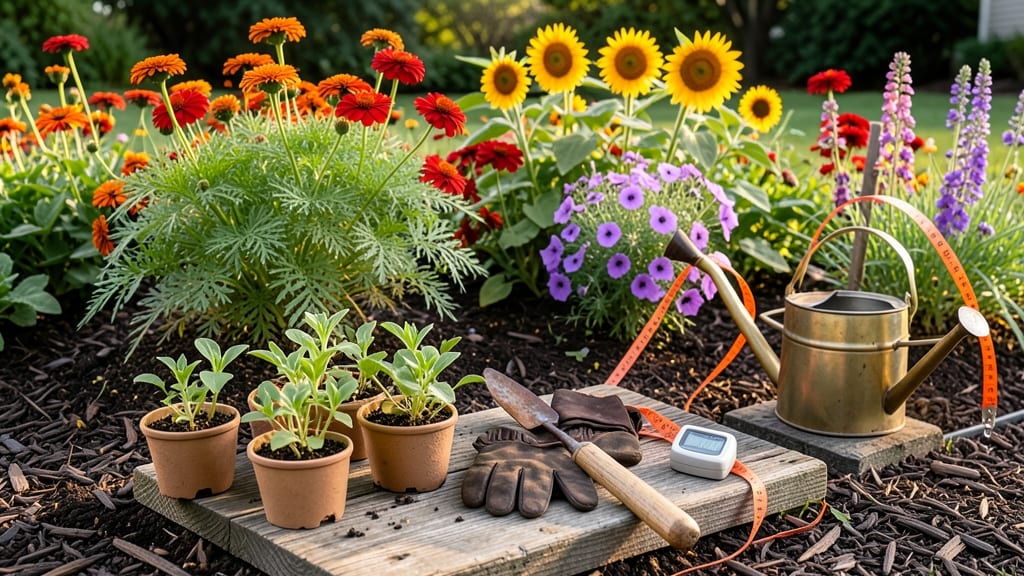
How to grow a flower garden for beginners doesn't need to be perfect—just productive. 🌸 I've helped dozens of beginners turn blank spaces into blooming havens by focusing on simple layouts and hardy plants that thrive with minimal fuss. The key is starting small, choosing the right flowers, and letting nature do most of the work.
You'll need just 5 basic tools, a sunny spot (even partial shade works), and soil that drains well. I recommend starting with sun-loving annuals like marigolds or zinnias—they bloom fast, deter pests, and forgive beginner mistakes. Perennials like coneflowers or black-eyed Susans add long-term beauty with almost no upkeep.
By week 6, you'll have a garden that looks like it's been there for years—not because it's complicated, but because the right plants grow eagerly in the right conditions.
The secret is spacing plants properly (check tags for mature size) and watering deeply just once or twice a week, not daily sprinkles.
This approach works for containers, raised beds, or ground plots—no experience required. The only real mistake is overcomplicating it. Let's get those first plants in the ground and enjoy the process along the way.
📚 In This Guide
- What you need
- Instructions
- Tips and common mistakes
- Wrapping up and next steps
What you need
- ● Garden soil or potting mix: 1–2 bags (1–2 cubic feet per plant, depending on garden size). Opt for well-draining mix with compost or peat moss.
- ● Flower seeds or seedlings: Choose 5–10 easy-to-grow varieties (e.g., marigolds, sunflowers, or petunias). Start with 5–10 plants for a beginner-friendly garden.
- ● Gloves: 1 pair (gardening or work gloves to protect your hands).
- ● Watering can or hose: 1 with a gentle spray nozzle for even watering.
- ● Hand trowel: 1 (for digging small holes and transplanting seedlings).
- ● Pruners: 1 pair (for trimming dead blooms or shaping plants).
- ● Mulch: 1–2 bags (straw, shredded bark, or pine needles to retain moisture and suppress weeds).
- ● Raised garden bed or containers: 1–2 (if not planting in-ground; 12–18" deep works best).
- ● Garden kneeler or stool: 1 (for comfort while planting).
- ● Soil tester kit: 1 (to check pH and nutrient levels before planting).
- ● Plant labels: 10–20 (to track varieties and care needs).
- ● Organic fertilizer: 1 bag (balanced 10-10-10 or slow-release granules).
- ● Sunlight meter or app: 1 (to track sunlight exposure in your garden spot).
Step-by-step instructions for designing your first flower garden
Start small, plan smart, and you'll have a thriving garden that requires minimal effort.
🌱 Step 1: Choose the Perfect Location and Size
Pick a sunny spot that gets at least 6 hours of direct sunlight daily—most flowers need this for vibrant blooms. Avoid low spots where water pools after rain. I like to sketch a rough outline with a hose or spray paint on the ground to visualize the space. For beginners, a 4x4 foot bed is perfect—big enough to see impact but small enough to manage easily.
Check the area at different times of day to spot sun patterns. You'll notice some spots stay shady even when others bake—mark those areas for shade-tolerant plants like impatiens or begonias. Test the soil by digging a 6-inch hole and feeling the texture. Sandy soil drains fast, while clay feels dense and sticky when wet.
☀️ Step 2: Plan Your Layout for Easy Care
Group plants by their sunlight needs and water requirements to simplify maintenance. I arrange tall flowers like sunflowers or delphiniums at the back, medium-height like daisies in the middle, and low-spreading ones like marigolds or pansies in front. This creates natural layers and makes weeding easier—you won't lose small flowers behind giants.
Leave 12-18 inches between plants to allow airflow, which prevents fungal diseases. I sketch a simple grid on paper first, using the serving size of 4 plants as a starting point. Space them evenly so the garden looks balanced from the first day. Add a few extra plants for future replacements—you'll lose a few to pests or weather.
💧 Step 3: Prepare the Soil for Healthy Roots
Loosen the soil to a depth of 12 inches with a garden fork or tiller. Break up any clumps and remove rocks or debris. If your soil feels heavy or compacted, mix in 2-3 inches of compost to improve drainage and fertility. You'll see the difference immediately—the soil will crumble easily when you squeeze it.
For poor soil, add a 1-inch layer of organic mulch like shredded bark or straw after planting. This keeps roots cool, retains moisture, and suppresses weeds. Water the area deeply before planting to settle the soil—you'll want it moist but not soggy when you handle it.
🌿 Step 4: Plant with Confidence and Proper Spacing
Dig holes twice as wide as the root ball but only as deep as the plant's container. Gently remove plants from their pots and tease apart any tangled roots. Place each plant in its hole, then fill around it with soil, pressing lightly to eliminate air pockets. Water immediately after planting to help roots settle into place.
Step back and check your spacing—everything should look balanced without overcrowding. If a plant leans, straighten it before backfilling. I like to water again after a few days to encourage root growth. You'll know you've done it right when new leaves appear within 2-3 weeks.
⏰ Step 5: Water and Maintain for Long-Lasting Blooms
Water deeply 1-2 times per week, giving each plant about 1 inch of water. Check moisture by sticking your finger 1 inch into the soil—if it feels dry, it's time to water. Early morning is best to reduce evaporation and fungal risks. You'll see wilting leaves if you wait too long, but they usually perk up within hours after watering.
Remove spent blooms regularly to encourage more flowers and keep the garden looking neat. I also pull weeds when they're small—it takes 10 minutes weekly to keep the area tidy. Fertilize lightly every 4-6 weeks with a balanced, slow-release formula. Your garden will reward you with continuous blooms all season long.
Tips & tricks for designing a stress-free flower garden
Between us, these small details make all the difference in creating a garden that thrives with minimal fuss.
Sunlight Secret: That 6 hours of sunlight requirement is non-negotiable for most flowers, but here's what I learned the hard way—morning sun is gentler than afternoon heat. If your spot gets intense afternoon rays, consider shade-tolerant varieties like coleus or ferns for those areas. You'll notice the difference in how quickly plants establish themselves.
Plant Spacing Payoff: The 12-18 inches between plants isn't just about looks—it's about airflow. I used to crowd plants for a fuller look, but that led to fungal issues every season. Trust me on this: proper spacing means healthier plants that bloom longer. Think of it like giving each plant its own personal bubble.
Soil Prep Shortcut: For that 12-inch soil loosening in Step 3, rent a rototiller if you're not up for the elbow grease. Even 10 minutes with a garden fork makes a surprising difference. And if your soil feels like concrete? Mix in that 2-3 inches of compost—it's like giving your plants a spa treatment for their roots.
Maintenance Hack: That 10 minutes weekly for weeding adds up, so I set a timer on my phone when I water. While the hose runs, I grab a small hand weeder and tackle just one section. You'll be done before you know it, and your garden will look like you spent hours on it.
Pro Tips for Grow A Flower Garden For Beginners
- Between us, these small details make all the difference in creating a garden that thrives with minimal fuss.
- Sunlight Secret: That 6 hours of sunlight requirement is non-negotiable for most flowers, but here's what I learned the hard way—morning sun is gentler than afternoon heat.
- Plant Spacing Payoff: The 12-18 inches between plants isn't just about looks—it's about airflow.
Frequently asked questions
Got questions? You’re not alone—starting a flower garden can feel overwhelming at first! Here are answers to the most common queries to help you bloom with confidence.
What’s the best time of year to start a flower garden for beginners?
For most regions, spring and early fall are ideal—soil is warm enough for seeds to sprout, but summer heat hasn’t arrived yet. Cool-season flowers (like pansies or snapdragons) can also thrive in late summer or early spring. Check your USDA Plant Hardiness Zone for local timing tips!
How often should I water my new flower garden?
Newly planted flowers need 1–1.5 inches of water per week, including rainfall. Water deeply 2–3 times per week in dry spells, focusing on the soil base (not leaves) to encourage strong roots. Morning watering is best—it reduces evaporation and fungal risks. Mulch helps retain moisture!
What do I do if bugs or pests show up in my garden?
Don’t panic! Start with gentle solutions like:
- Neem oil spray (safe for most plants, deters aphids/beetles).
- Handpick larger pests (like tomato hornworms) early in the day.
- Encourage predators—ladybugs and lacewings eat pests naturally.
Can I grow flowers in containers if I don’t have a yard?
Containers are perfect for beginners—just pick flowers suited for pots (like petunias, marigolds, or herbs). Use well-draining soil, 10–12” deep pots for most blooms, and place them in sunny spots (6+ hours of light). Rotate pots occasionally for even growth!
Why aren’t my flowers blooming like they should?
Common culprits:
- Not enough sunlight—check if your garden gets 6+ hours of sun daily.
- Over-fertilizing—too much nitrogen = leafy growth, fewer blooms.
- Deadheading (removing spent blooms) tricks plants to produce more flowers!
Pro Tip:
Keep a simple garden journal! Note what you plant, when you water, and any issues. It’ll help you troubleshoot next season—and celebrate your wins!
Wrapping up and next steps
Growing your first flower garden is an exciting journey—one that rewards you with color, beauty, and a deeper connection to nature! 🌸 By starting small, choosing the right plants, and following a few simple steps, you’ve already set yourself up for success.
Remember, every expert gardener began exactly where you are now.
Your next step? Dive in and experiment! Try planting a few easy flowers this weekend, keep a gardening journal to track progress, and don’t hesitate to ask for advice from local nurseries or online communities.
Before you know it, your garden will be bursting with blooms—and so will your confidence! 🌱✨