
Pests
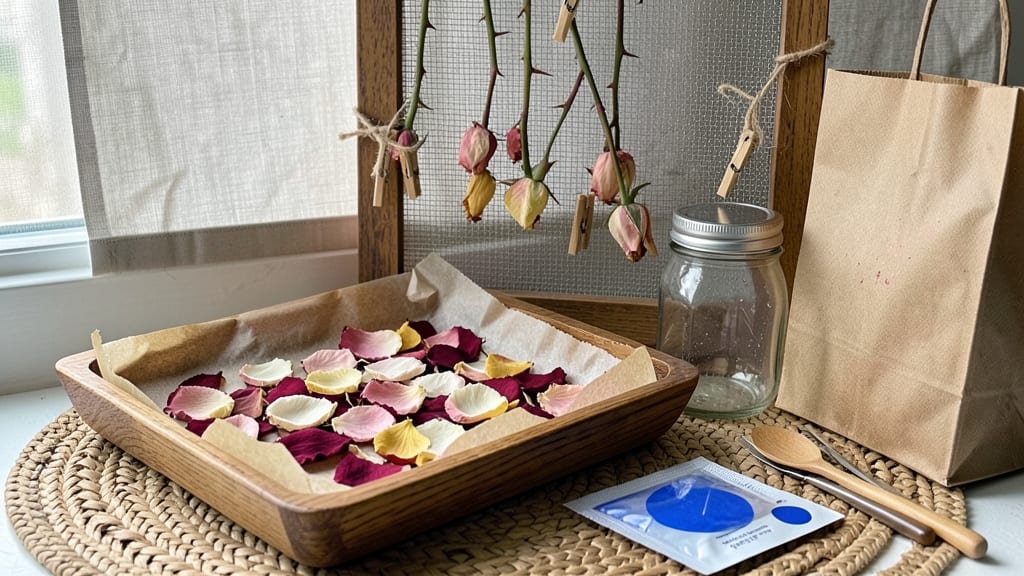
How to dry roses to keep their color isn’t just luck—it’s science. ✨ The right technique keeps petals rich and true, not faded and brittle. I’ve dried hundreds, and the difference between a dull bouquet and one that looks fresh comes down to timing, humidity, and how you handle the stems.
Start with roses at peak bloom—half-open buds dry flat, while fully open ones hold their shape better. You’ll need a cool, dark space (a closet works), a sharp knife, and either a drying method (air-drying, silica gel, or microwave) or a preservative spray.
Humidity is the enemy: too much air moisture turns petals mushy; too little makes them crisp too fast.
By the end, you’ll have roses that retain their color for months, perfect for potpourri, framed art, or sentimental keepsakes. The air-drying method takes 2-4 weeks, while silica gel speeds it up to 24 hours—but watch for over-drying. Avoid direct sunlight, which bleaches petals faster than anything else.
Even with the best method, some roses fade faster than others. Darker varieties (deep reds, purples) hold color best, while pale pinks and whites need extra care. My top tip: spray petals with a 50/50 water-vodka mix before drying—it preserves color and softness.
Now, let’s get those roses lasting longer than your summer garden!
📚 In This Guide
- What you need
- Instructions
- Tips and common mistakes
- Wrapping up and next steps
What you need
- ● Fresh roses – Choose blooms at peak color (fully open but not wilted). Quantity: As many as you’d like to preserve!
- ● Sharp pruning shears or scissors – For clean cuts to avoid crushing stems.
- ● Paper towels or a clean cloth – To gently pat dry excess moisture from petals.
- ● Drying method of choice: Air-drying: A well-ventilated space (e.g., a dark, dry closet or a mesh drying screen).
- ● Silica gel: Fine, food-grade silica gel crystals (1–2 lbs, depending on rose size).
- ● Oven or dehydrator: A low-heat setting (160–180°F) and a baking sheet or tray.
- ○ Optional color preservatives: White vinegar (1 part vinegar to 2 parts water) – For a natural bleach alternative (soak stems for 1 hour before drying).
- ● Hydrogen peroxide (3%) – Dilute with water (1:1 ratio) for a quick color boost.
- ● Acrylic spray sealant (matte finish) – To protect dried roses from dust and fading.
- ● Cardstock or foam board – For mounting and framing your preserved blooms.
- ● Small glass jars or shadow boxes – For display or storage.
Step-by-Step instructions for drying roses while preserving their color
Here's how I keep roses looking fresh and vibrant long after they're cut—no fading or wilting!
🌿 Step 1: Select and Prepare the Roses
Pick roses at their peak—when petals are fully open but not wilting. Avoid blooms with brown edges or closed buds. Trim stems at a 45-degree angle about 2 inches below the bloom to maximize water uptake. Remove any leaves that would touch the drying surface, as they can trap moisture and cause mold.
Here's the thing—you want to work fast. As soon as you bring them indoors, strip the stems completely bare of leaves and thorns. I like to use a pair of sharp scissors for this because it's quicker than pinching. The cleaner the stem, the better the dried rose will look. This step is critical for preventing any unsightly brown spots later.
💧 Step 2: Choose Your Drying Method
For the most vibrant results, I recommend the air-drying method with silica gel. Start by placing the roses face-down on a layer of 2-3 inches of silica gel in a shallow container. The gel absorbs moisture while preserving the petals' shape and color. Make sure the stems are fully submerged in the gel to prevent bending.
If you don't have silica gel, the hanging method works too. Bundle stems together with twine and hang upside down in a dark, dry, well-ventilated area. This takes 2-3 weeks, but the roses will retain their shape beautifully. Watch for any signs of moisture—condensation on the stems means you need better airflow.
☀️ Step 3: Monitor and Maintain Conditions
Keep roses in a spot with consistent temperature—65-75°F is ideal. Avoid direct sunlight, which can cause fading, and steer clear of humid areas like bathrooms. For silica-drying, check every 24 hours to ensure petals aren't sticking together. If they do, gently separate them with a soft brush.
This is the moment that matters: patience is key. It typically takes 7-10 days for roses to dry completely. You'll know they're ready when the petals feel crisp to the touch and the stems snap easily when bent. If you rush it, the blooms may crumble or lose their shape.
✂️ Step 4: Finalize and Store Your Dried Roses
Once fully dry, carefully remove the roses from the drying medium. For silica-drying, brush off any remaining gel with a soft makeup brush. Trim the stems to 1 inch and arrange the blooms in a way that highlights their natural beauty. I like to display them in shadow boxes or framed displays to keep them looking fresh.
Don't skip this (I learned the hard way). Store dried roses in an airtight container with a silica gel packet to prevent moisture buildup. This ensures they stay vibrant for years. If you notice any discoloration after storage, it's likely from humidity—so keep them in a cool, dry place.
Tips & tricks for preserving rose color while drying
These little secrets make all the difference between faded, brittle blooms and roses that stay vibrant for years!
Selection is Everything: Pick roses at their absolute peak—when petals are fully open but not yet showing any signs of wilting. I can't stress this enough: avoid blooms with brown edges or closed buds, as these won't dry well. The fresher the rose, the better it will preserve its color. And here's what nobody tells you—strip those stems completely bare of leaves and thorns immediately after cutting. Any leaves left on the stems will trap moisture and create brown spots during drying.
Silica Gel Technique: When using the silica gel method in Step 2, make sure to place your roses face-down on a layer that's at least 2-3 inches deep. The gel needs to completely surround the stems to prevent bending. Pro tip: if you notice petals sticking together after 24 hours (as mentioned in Step 3), gently separate them with a soft makeup brush. This prevents permanent creasing while they dry.
Temperature and Humidity Control: The 65-75°F range in Step 3 is critical for maintaining color. Too hot and the petals will fade, too cold and the process slows dramatically. I've found that placing a small fan nearby creates gentle airflow without disturbing the roses. This helps prevent any condensation buildup that could cause mold. And remember—never let direct sunlight hit your drying roses, even indirect light can cause fading.
Pro Tips for Dry Roses To Keep Their Color
- These little secrets make all the difference between faded, brittle blooms and roses that stay vibrant for years!
- Selection is Everything: Pick roses at their absolute peak—when petals are fully open but not yet showing any signs of wilting.
- Silica Gel Technique: When using the silica gel method in Step 2, make sure to place your roses face-down on a layer that's at least 2-3 inches deep.
Frequently asked questions
Got questions about drying roses while keeping their stunning color? Here are some common ones—and the answers you need to preserve those petals perfectly!
How long does it take to dry roses without losing color?
Drying time depends on the method! Air-drying takes 2–4 weeks, while silica gel or microwave drying can finish in 6–24 hours. To retain color, avoid direct sunlight or high heat—opt for shade or low-temperature settings (below 150°F/65°C). Patience pays off for vibrant results!
Can I speed up the drying process without fading the petals?
Yes! Use a dehydrator (95°F/35°C for 3–6 hours) or a microwave (low power, 30-second bursts) with paper towels between layers. For silica gel, bury stems in the drying agent for 4–6 hours. Just avoid rushing—gentle heat preserves color better than speed.
What’s the best way to store dried roses to keep their color long-term?
Store them in a cool, dark place (like a sealed box or airtight container) with a silica gel packet to absorb moisture. Avoid plastic bags—humidity fades colors faster. For extra protection, wrap stems in tissue paper before storing. Check them every few months for pests!
Why did my dried roses turn brown or gray?
Brown/gray hues usually mean oxidation or moisture exposure. Fix it by:
- Drying faster next time (try silica gel).
- Adding a white vinegar rinse (1:3 ratio) before drying to slow browning.
- Storing in a dry, dark environment.
Can I dry roses that aren’t fully open yet?
Partially open roses dry beautifully and often retain their shape better. Just ensure they’re fresh and disease-free before drying. For extra vibrancy, trim stems at an angle and remove leaves to prevent mold. Bonus: They’ll look more natural in arrangements!
Wrapping up and next steps
Drying roses to preserve their stunning color is simpler than you think—with the right techniques and a little patience, you’ll have lasting, vibrant blooms that bring joy for months!
Whether you choose air-drying, silica gel, or microwave methods, the key is gentle handling and proper timing to lock in those rich hues. 🌸
Now that you’re equipped with the know-how, why not give it a try? Grab a few fresh roses from your garden or a bouquet, and experiment with these methods.
Once you’ve mastered the art, you’ll be ready to create beautiful dried flower arrangements or even craft handmade gifts—because nothing says "I care" like a long-lasting, colorful keepsake!