
Vegetables
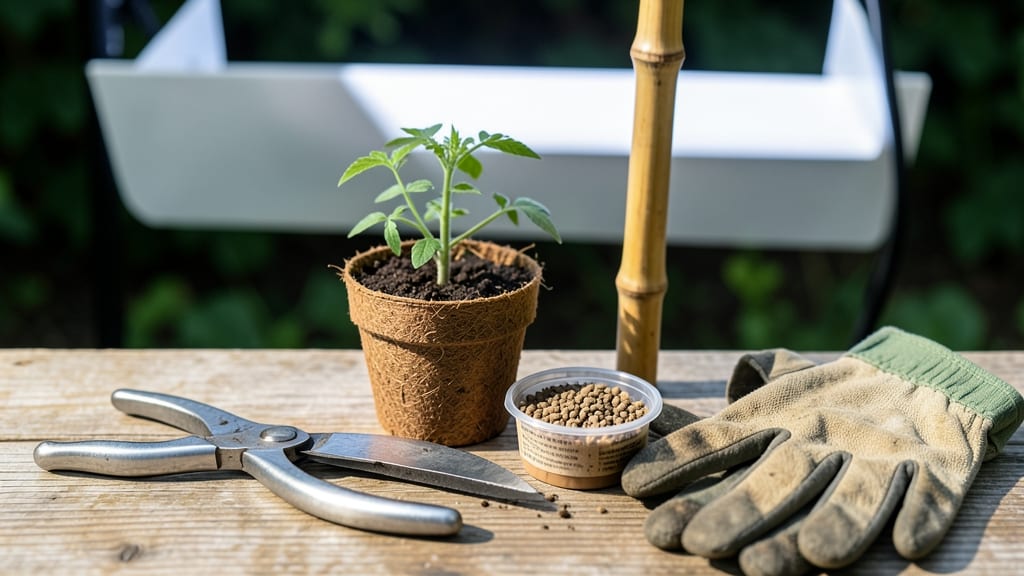
How to fix leggy tomato seedlings—those long, weak stems and tiny leaves signal trouble for your future harvest. 🌱 I’ve rescued dozens of these spindly plants by addressing the root causes: weak light, overcrowding, and improper watering. The good news? You can turn them around in just a few days with the right moves. The first step is pruning—yes, really. Pinch off the top leaves to encourage bushier growth, then move seedlings closer to a bright window or grow light. Rotate them daily so they don’t lean toward one side. Overcrowding? Thin them out so each plant has space to breathe—about 2–3 inches between seedlings. Within 5–7 days, you’ll see thicker stems and darker green leaves as the plants redirect energy to strengthening their structure. The key is acting fast—once they’re this way, they’re more prone to disease and transplant shock. This method works for any tomato variety, whether you’re growing heirlooms or hybrids. The same fixes apply to peppers and eggplants too. Let’s get those seedlings standing tall!
The Real Culprits Behind Weak Stems
Leggy tomato seedlings—those tall, spindly, and wobbly plants—are a common frustration for gardeners, but understanding the science behind their development is the first step to prevention. These weak stems aren’t just a cosmetic issue; they’re a sign your seedlings are struggling to balance growth with stability.
Let’s break down the three primary causes of legginess, explained in clear, actionable terms.
Tomato seedlings naturally stretch toward light in a process called etiolation. When they don’t get enough sunlight (or artificial grow light), they prioritize reaching upward over thickening their stems. This creates weak, elongated seedlings that can’t support themselves.
Why it happens:
- Low light intensity (especially in cloudy conditions or indoors) signals seedlings to produce less chlorophyll, the pigment that helps them convert light into energy.
- Without enough energy, seedlings prioritize height over stem strength, leading to thin, brittle stems that snap easily.
- Red and blue light wavelengths (critical for healthy growth) are often missing in household lighting, further slowing development.
Key takeaway: Seedlings need 12–16 hours of light daily—natural sunlight or a grow light placed 2–4 inches above the plants.
Tomatoes thrive in warm but not hot conditions (ideal day temps: 70–85°F / 21–29°C). When seedlings experience cool nights or drafty conditions, their growth slows, but their stems keep stretching in a desperate bid for warmth.
Why it happens:
- Cooler temperatures (below 60°F / 15°C) slow cell division in stems, making them longer and weaker.
- Uneven heating (like a seedling tray near a cold window) causes one-sided growth, leading to leggy, crooked stems.
- Heat stress (above 90°F / 32°C) can also disrupt auxin hormone production, which normally helps stems thicken.
Key takeaway: Keep seedlings in a consistent 70–75°F (21–24°C) environment—use a heat mat for cooler climates or avoid placing them near vents/AC units.
When tomato seedlings are too close together, they compete aggressively for light, water, and nutrients. This competition forces them to grow upward rather than outward, resulting in weak, leggy stems.
Why it happens:
- Root competition limits nutrient absorption, particularly phosphorus and potassium, which are crucial for stem strength.
- Shading from neighboring plants reduces light exposure, triggering etiolation (the same stretching response as low light).
- Overwatering in crowded trays can lead to root rot, further weakening the plant’s ability to support itself.
Key takeaway:
- Space seedlings 2–3 inches apart in trays or thin to 1 plant per cell in seedling plugs.
- Use soilless mixes (like peat/perlite blends) to prevent compaction, which restricts root growth.
Pro Tip: 💡 If your seedlings are already leggy, don’t panic! The next section covers how to fix them—including pruning, light adjustments, and burping techniques to encourage stockier growth.
Quick Fixes for Tall, Weak Seedlings
Leggy tomato seedlings may look like they’re stretching for the sky, but with the right adjustments, you can turn them into sturdy, productive plants. Below are targeted solutions based on the most common causes, along with simple prevention tips to keep your seedlings strong from the start.
If your seedlings are reaching upward with pale, spindly stems, they’re desperate for light. Here’s how to correct it:
🔥 Increase Light Exposure Immediately
- Move seedlings closer to a sunny window (south-facing is best) or under grow lights (12–16 hours/day).
- Use a grow light setup if natural light is insufficient.
LED or fluorescent bulbs (4,000–6,500K) work well. - Rotate trays daily (¼ turn) to prevent uneven growth toward the light source.
🌡️ Optimize Temperature & Humidity
- Keep temps between 65–75°F (18–24°C) during the day and 55–65°F (13–18°C) at night.
- Avoid overcrowding—seedlings need airflow to prevent damping-off (a fungal disease that weakens stems).
💡 Pro Tip:
If you’re using grow lights, place them 2–4 inches above seedlings and adjust as they grow. Too high = leggy; too low = burned leaves.
Over- or under-fertilizing can lead to weak stems. Balance is key!
👨🍳 Use a Gentle, Balanced Fertilizer
- Wait until seedlings have 2–3 true leaves before fertilizing.
- Dilute a water-soluble fertilizer (like 5-5-5 or 10-10-10) to half-strength and apply every 2 weeks.
- Avoid high-nitrogen fertilizers (like lawn fertilizer)—they promote leafy growth but weak stems.
🥗 Boost with Organic Amendments
- Compost tea or fish emulsion (1 tsp per gallon of water) provides micronutrients for sturdy growth.
- Epsom salt (magnesium sulfate) can help if leaves turn yellow (mix 1 tbsp per gallon of water, spray foliage).
⚠️ Warning:
Never fertilize stressed seedlings—wait until they’ve recovered from light or transplant shock.
If your seedlings are already leggy, pruning and support can save them.
🍅 Pinch Back for Bushier Plants
- Snip the top set of leaves (just above a leaf node) to encourage lateral growth.
- Use clean scissors or pruning shears to avoid damaging stems.
- Repeat every 2–3 weeks until seedlings are 4–6 inches tall.
🪑 Provide Support Early
- Use small stakes, toothpicks, or bamboo skewers to prop up weak stems.
- Tie gently with soft twine or cloth strips—avoid plastic ties that can cut into stems.
- For extra strength, bury a sturdy stake (6–12 inches deep) next to each seedling before transplanting.
🌿 Transplant Deeply for Stronger Roots
- When moving seedlings outdoors, bury them deeper than before—up to ⅔ of the stem will grow new roots!
- Hardening off (acclimating to outdoor conditions) should take 7–10 days before full exposure.
Once you’ve fixed the current batch, keep these tips in mind for next time:
| Cause | Prevention Tip |
|---|---|
| Not enough light | Start with grow lights if natural light is weak. |
| Overcrowding | Space seedlings 1–2 inches apart in trays. |
| Too much heat | Use a seedling heat mat (70–75°F) but avoid overheating. |
| Weak soil nutrients | Use well-draining potting mix with compost or worm castings. |
| Late transplanting | Direct-sow outdoors after last frost or start indoors 6–8 weeks early. |
Final Thought: Leggy seedlings aren’t a death sentence—they just need light, balance, and a little TLC to bounce back. With these fixes, your tomatoes will grow strong, bushy, and ready for a bountiful harvest! 🍅🌟
Frequently asked questions
Can I still save my leggy tomato seedlings if they're already 8+ inches tall?
Yes, but act fast! For seedlings this tall, focus on support and light. Bury them deeper when transplanting (up to ⅔ of the stem will root), use toothpicks or stakes for support, and move them to bright light (14+ hours/day). You may need to pinch back the top growth to encourage bushier regrowth.
Why do my seedlings get leggy even with a grow light?
This usually means your light is either too far away (place it 2-4 inches above seedlings) or not the right spectrum. Use full-spectrum LED grow lights (4000-6500K) and rotate trays daily. Also check if your light is on for 12-16 hours/day—too few hours causes stretching.
Is it better to pinch back leggy seedlings or just transplant them deeper?
Both work, but pinching back first gives better results. Start by snipping just above a leaf node to encourage lateral growth, then support with stakes. Transplanting deeper helps, but leggy stems need the light stimulus from pinching to thicken properly. Combine both methods for fastest recovery.
Will leggy seedlings produce normal tomatoes later?
Yes, but they may take longer to mature and produce fewer fruits. Leggy seedlings can still grow into healthy plants if you fix the issues early, but they're more vulnerable to disease and transplant shock. The key is to strengthen them before transplanting—within 1-2 weeks of proper care, you'll see much thicker stems.
Can I use regular household lights instead of grow lights?
Not effectively—household bulbs lack the red and blue light wavelengths seedlings need. If you must use what you have, place seedlings within 1-2 inches of a bright white LED bulb (5000K+) and keep them there for 16+ hours/day. For best results, invest in a small grow light.