How To
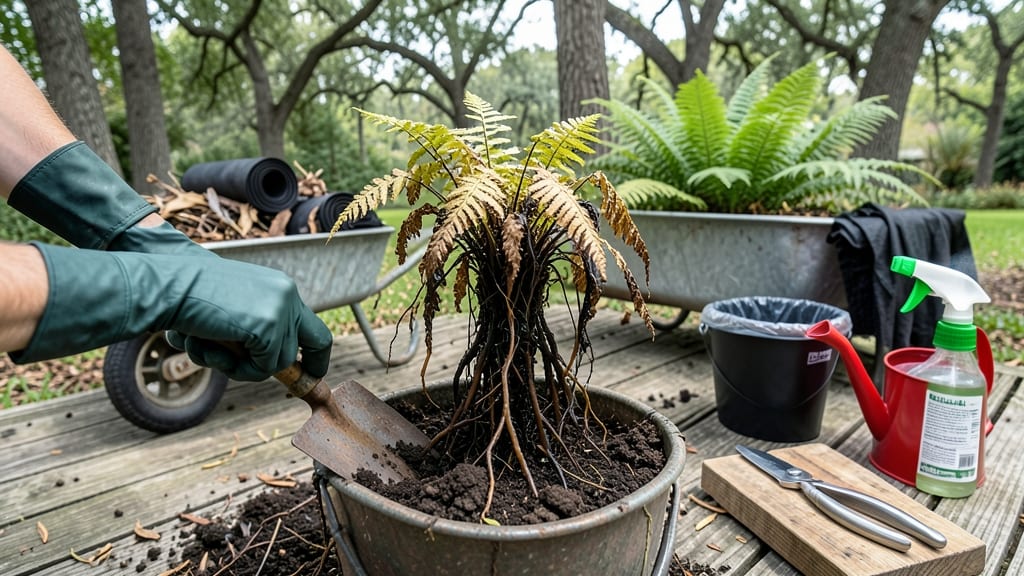
Your wilting outdoor plants might not be dying—they could just need how to fix root rot in the rescue. 🌱 Root rot turns vibrant gardens into sad, droopy messes, but the fix starts with understanding why it happens and how to revive those struggling roots before it's too late.
Overwatering is the usual culprit, but poor drainage, dense soil, or even a sudden downpour can trigger this silent killer. The good news? You can often save your plants with the right steps—pruning damaged roots, adjusting watering habits, and giving them fresh, well-draining soil.
By the end, you’ll have plants that stand tall again, with stronger roots and a healthier growing environment. The key is acting fast and making smart soil changes to prevent it from happening again.
This works for everything from container plants to in-ground perennials—no green thumb required, just a willingness to roll up your sleeves and dig in.
Root Rot’s Hidden Triggers
Root rot isn’t just a random plant disaster—it’s a silent warning sign that your outdoor plants are drowning in their own environment. Understanding the root causes (literally!) is the first step to saving your greenery. Let’s break down the science behind why this fungal nightmare takes hold.
💧 Plants need water, but too much is a death sentence.
Root rot thrives in waterlogged soil because it creates the perfect anaerobic (oxygen-free) conditions for Phytophthora and Pythium fungi—two of the most notorious root rot culprits.
Here’s how it happens: - Poor drainage: Clay-heavy or compacted soil repels water instead of absorbing it, leaving roots sitting in a soggy soup.
Even well-draining soil can become waterlogged after heavy rain or overzealous irrigation. - Frequency matters: Watering daily (or worse, multiple times a day) keeps soil perpetually saturated.
Plants only need 1–1.5 inches of water per week, depending on the species. - Container quirks: Pots without drainage holes act like bathtubs, trapping excess moisture. Even "self-watering" systems can fail if not monitored.
Pro tip: 🌡️ Stick your finger 2–3 inches deep into the soil before watering. If it’s damp, wait. If it’s bone-dry, hydrate—but don’t drown.
🏗️ Soil that doesn’t breathe = roots that suffocate.
Compacted soil is like a brick wall for roots—they can’t spread or absorb oxygen, leading to hypoxia (oxygen starvation). This weakens roots, making them vulnerable to fungal attacks.
Causes include: - Heavy foot traffic or machinery compressing soil over time. - Clay or silt-heavy soil that naturally resists water drainage. - Lack of organic matter (like compost or mulch), which improves soil structure.
Actionable fix: Fluff the soil with a garden fork or add coarse sand, perlite, or coconut coir to improve aeration. For clay soil, mix in aged compost or peat moss to break up density.
🚧 If water can’t escape, roots will pay the price.
Even the hardiest plants struggle when their roots are trapped in standing water.
Common drainage failures: - No slope in garden beds: Water pools in low spots instead of flowing away. - Clogged drainage holes in pots (from roots or debris). - Improperly layered containers: Using only fine soil without a drainage layer (like gravel or broken pottery).
Quick check: After watering, if puddles linger for more than 30 minutes, your drainage is compromised.
🍄 Fungi are everywhere—but they only strike when conditions are right.
Root rot fungi (Phytophthora, Pythium, Fusarium) are always present in soil, water, and even air.
They only become aggressive when: - Soil pH is too low (below 6.0), making roots more susceptible. - Temperature is ideal (60–85°F), which speeds up fungal growth. - Weakened plants (from stress, poor nutrition, or disease) can’t fight off infections.
Prevention tip: 🧼 Use copper fungicides or hydrogen peroxide (3%) as a soil drench to suppress fungal spores before they take hold.
🔪 Broken roots = open doors for infections.
Any physical trauma to roots—like over-pruning, rough transplanting, or soil compaction—creates entry points for fungi. Even girdling roots (roots that wrap around the base of a plant) restrict water flow, leading to rot.
Solution: When transplanting, loosen roots gently and avoid burying the stem too deep. For established plants, mulch around the base (but not touching the stem) to protect roots from temperature swings and physical harm.
Turn Around Root Rot Now
Root rot is a serious threat, but with the right steps, you can save your outdoor plants and prevent future outbreaks. The key is acting fast and addressing the root cause—literally.
Below, we’ve mapped out practical, step-by-step solutions tailored to the most common triggers of root rot, from overwatering to poor drainage. Each fix includes actionable tips to revive your plants and keep them thriving.
Problem: Soggy soil cuts off oxygen to roots, creating the perfect breeding ground for fungi like Phytophthora.
How to Fix It:
- 🚰 Stop Watering Immediately
- Let the soil dry out completely before watering again. Stick your finger 1–2 inches deep—if it’s damp, wait.
- 🏗️ Improve Drainage
- For potted plants: Add a layer of perlite, pumice, or coarse sand to the bottom of the pot before repotting.
- For in-ground plants: Amend the soil with organic matter (compost, coconut coir) or create raised beds if drainage is chronically poor.
- Pro tip: 💡 If your pots lack drainage holes, drill them or switch to containers with built-in aeration.
- 🌱 Repot Affected Plants (If Needed)
- Gently remove the plant, trim black, mushy roots (use sterilized scissors), and replant in fresh, well-draining soil.
- ⚠️ Warning: Avoid repotting during extreme heat—stress can worsen recovery.
- 🌧️ Adjust Your Watering Schedule
- Water deeply 2–3 times per week (adjust for climate) and never let plants sit in standing water.
- Morning watering is best—it allows foliage to dry before evening, reducing fungal spread.
Problem: Stagnant, overheated air traps moisture, accelerating rot in tropical or large-leaved plants.
How to Fix It:
- 🌿 Prune for Better Airflow
- Trim dense foliage to improve circulation. Aim for a "open-canopy" look—think sunlight reaching the soil level.
- 🌞 Relocate or Provide Shade
- Move plants to a partially shaded spot (especially midday) if they’re in a hot, humid zone.
- Use shade cloth (30–50%) or dappled light from nearby trees.
- 💨 Use Fans (Yes, Really!)
- A small oscillating fan on low setting near plants can reduce humidity around roots by 10–15%.
- 🌱 Choose Heat-Tolerant Varieties
- If certain plants keep failing, swap them for drought-resistant species like lavender, rosemary, or succulents.
Problem: Pathogens like Pythium or Fusarium spread rapidly in contaminated soil.
How to Fix It:
- 🧼 Sterilize Tools and Soil
- Wash pots with 10% bleach solution (1 part bleach to 9 parts water) or soak in vinegar.
- Replace infected soil with sterilized potting mix (bake soil in the oven at 200°F for 30 minutes to kill pathogens).
- 🚫 Isolate Infected Plants
- Keep them separate from healthy plants until fully recovered. Fungal spores can linger in soil for years.
- 💊 Apply Fungicides (When Needed)
- Use copper-based fungicides (like Bonide Copper Fungicide) or hydrogen peroxide (3%) as a soil drench (1 tbsp per gallon of water).
- ✨ Pro tip: Mix 1 tsp baking soda + 1 quart water + a few drops of dish soap for a gentle preventative spray.
- 🌱 Boost Plant Immunity
- Feed with compost tea or seaweed extract to strengthen roots naturally.
Problem: Clay-heavy or tightly packed soil suffocates roots, trapping moisture.
How to Fix It:
- 🏗️ Aerate the Soil
- For in-ground plants: Use a garden fork to poke holes 6–12 inches deep, loosening compacted layers.
- For pots: Mix in vermiculite or orchid bark to improve structure.
- 🌱 Add Organic Amendments
- Work in compost, leaf mold, or peat moss to improve water retention and drainage.
- Ratio: Aim for 20–30% organic matter in heavy clay soil.
- 💧 Mulch Strategically
- Apply 2–3 inches of mulch (straw, wood chips) to regulate soil temperature and reduce evaporation.
- ⚠️ Avoid piling mulch against stems—keep it 2 inches away to prevent rot.
Once your plants are on the mend, prevent recurrence with these habits:
- 📅 Test soil moisture with a moisture meter or the "squeeze test" (damp = wait; dry = water).
- 🌧️ Water at the base (not overhead) to avoid wetting leaves and spreading disease.
- 🌱 Rotate crops if growing edibles—don’t replant the same family (e.g., tomatoes, peppers) in the same spot yearly.
- 🔍 Monitor drainage after heavy rains—if water pools for >24 hours, amend soil immediately.
- 🌿 Choose the right pot—terracotta (porous) or fabric pots breathe better than plastic.
Final Thought: Root rot is often reversible if caught early, but prevention is your best tool. By tweaking watering habits, improving soil structure, and keeping an eye on environmental stressors, your outdoor plants can bounce back stronger than ever. 🌱✨
Frequently asked questions
How do I know if my plant has root rot?
Look for yellowing leaves, stunted growth, and a foul smell from the soil. Gently remove the plant and check for black, mushy roots instead of firm, white ones. If the roots are slimy or crumbling, it’s a clear sign of rot.
Can I save a plant with severe root rot?
It depends! If more than 50% of the roots are healthy, you can trim the rotten ones, repot in fresh soil, and adjust watering. However, if the rot has spread extensively, the plant may not recover. Always act fast—early intervention gives you the best chance.
What’s the best way to sterilize tools after trimming rotten roots?
Wipe tools with rubbing alcohol (70% or higher) or soak them in a 10% bleach solution (1 part bleach to 9 parts water) for 5 minutes. Rinse and dry thoroughly to prevent cross-contamination. Sterilization stops fungal spores from spreading to healthy plants.
Will hydrogen peroxide really help fix root rot?
Yes! Mix 1 tablespoon of 3% hydrogen peroxide with 1 gallon of water and use it as a soil drench. It kills fungal pathogens without harming plants. Apply every 7–10 days until the plant recovers. For extra strength, add 1 teaspoon of baking soda to the mix.
How often should I check my plants for root rot?
Inspect plants every 2–4 weeks, especially after heavy rains or changes in watering habits. Focus on container plants, as they’re more prone to drainage issues. Early detection is key—catching root rot before it spreads saves time and effort.