
Propagation
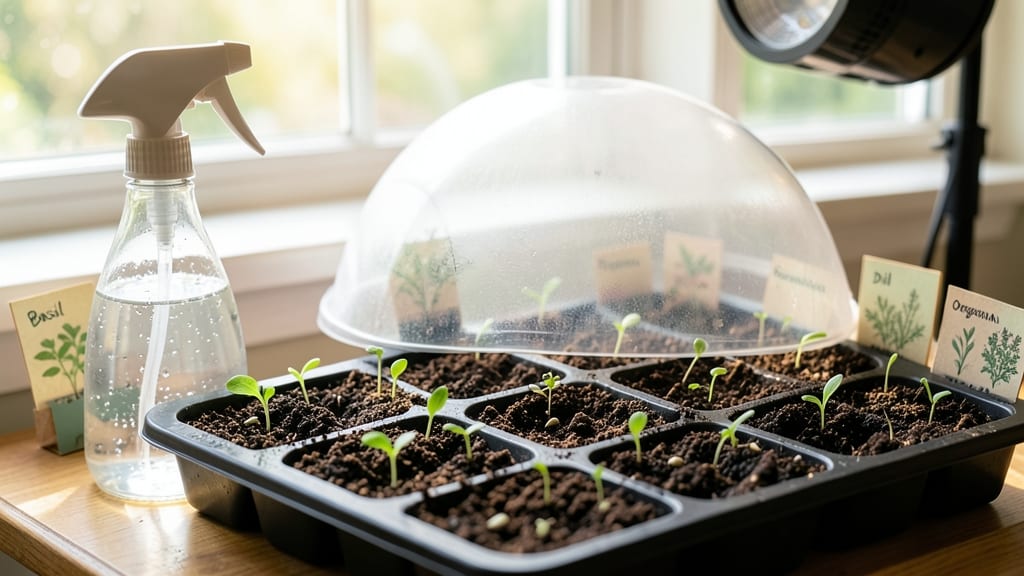
Germinating herb seeds in days instead of weeks changes everything. 🌱 After struggling with slow parsley sprouts that took three weeks to appear, I discovered speed-soaking—now my basil, cilantro, and dill pop up within 3-7 days with the right technique.
This method works by softening the seed coat so moisture penetrates faster, but herbs like parsley and chives need extra patience—they're stubborn germinators. You'll need warm water, a breathable container, and a way to maintain consistent moisture without drowning the seeds.
By day 5, you'll see tiny green hooks breaking through the soil, ready to grow into lush plants. The speed-soak method cuts germination time by 50-70%, and the best part? It works for 90% of common herbs—just adjust soaking times based on seed type.
Even with perfect conditions, some seeds take longer. If nothing appears after 10 days, they may need fresh air or a temperature adjustment. Keep a spray bottle handy for humidity control—just don't let the seeds sit in standing water.
📚 In This Guide
- What you need
- Instructions
- Tips and common mistakes
- Wrapping up and next steps
What you need
- ● Herb seeds: Choose fresh, high-quality seeds (e.g., basil, parsley, cilantro, or dill). Start with 1–2 teaspoons (about 5–10g) per batch.
- ● Jars or containers: Use clean, airtight glass jars (8–16 oz) or small plastic containers with lids. 1 jar per herb type (or reuse if sanitized).
- ● Water: Room-temperature, filtered water (avoid chlorinated water—let tap water sit out for 24 hours if needed).
- ● Paper towels or germination sheets: 2–3 sheets per jar (or pre-moistened germination mats for convenience).
- ● Plastic wrap or lid: To seal the jar and maintain humidity.
- ● Spray bottle: For gentle misting if towels dry out.
- ● Label markers: To track seed types and dates.
- ○ Heating mat (optional): Set to 70–85°F (21–29°C) for faster germination (especially for slow starters like parsley).
- ● Grow lights or sunny windowsill: For post-germination light exposure (12–16 hours/day).
Step-by-step instructions for germinating herb seeds using the speed-soak method
This method cuts germination time in half—here's how I get herb seeds sprouting in days instead of weeks.
🌱 Step 1: Select and Prepare Your Seeds
Start with fresh seeds from a reputable supplier—older seeds germinate poorly, no matter the method. For herbs, focus on varieties like basil, parsley, or cilantro, which respond best to speed-soaking. Remove seeds from their packets and place them in a small bowl. I like to use a fine-mesh strainer lined with a paper towel for easy handling.
This preparation step is critical because some herb seeds have tough outer coatings that slow water absorption. The speed-soak method breaks down that barrier faster than traditional watering. If your seeds are particularly small (like dill or chervil), I recommend mixing them with a tiny amount of fine sand or vermiculite to prevent clumping during soaking.
💧 Step 2: Speed-Soak for Optimal Hydration
Fill a clean bowl with lukewarm water—never hot, as that can damage delicate seeds. Submerge the seeds completely and let them soak for 12-24 hours. You'll see the seeds plump up and soften noticeably. For seeds with very hard coatings (like some varieties of parsley), extend the soak to 36 hours—this ensures maximum moisture uptake before planting.
I place the bowl in a warm spot, like on top of the fridge, to maintain a consistent 70-75°F temperature. Avoid direct sunlight during soaking, as UV exposure can stress the seeds. After soaking, drain the water completely and gently pat the seeds dry with a paper towel. This prevents fungal issues later in the germination process.
☀️ Step 3: Plant in Moist, Warm Soil
Fill small seed-starting trays or individual pots with a lightweight seed-starting mix—avoid garden soil, which can compact and suffocate young roots. Moisten the mix until it feels like a wrung-out sponge: damp but not soggy. Press the soil down lightly to create a firm planting surface, then make small furrows or individual holes ¼ inch deep—about twice the diameter of the seeds.
Place the pre-soaked seeds into the furrows, spacing them ½ inch apart to allow room for growth. Cover them lightly with a thin layer of soil, then mist the surface gently with water until evenly moist. The goal is to keep the soil consistently damp, not waterlogged. I like to use a spray bottle for this step to avoid disturbing the seeds.
🪴 Step 4: Create Ideal Germination Conditions
Place the trays in a warm, humid environment to encourage rapid germination. A seedling heat mat set to 75-80°F works wonders—it keeps the soil warm and speeds up the process. Cover the trays with a clear plastic dome or wrap them in plastic wrap to retain moisture. Check daily for condensation; if the plastic fogs up, remove it for 10-15 minutes to prevent mold.
Herb seeds typically germinate within 3-7 days using this method, though some fast growers like basil may sprout in as little as 2-3 days. Once you see the first signs of green—those tiny cotyledons breaking through the soil—remove the cover immediately. This prevents damping-off, a fungal disease that can wipe out seedlings overnight.
⏰ Step 5: Transition to Light and Care
The moment seedlings emerge, move them to a bright location with 12-14 hours of indirect light daily. A south-facing window or a grow light positioned 4 inches above the plants works best. Avoid direct sunlight at this stage, as it can scorch tender new leaves. You'll know the light is right when the seedlings grow upright and develop deep green color—no leggy, pale stems.
Water gently from the bottom by placing the trays in a shallow tray of water for 10-15 minutes, then drain any excess. This method ensures even moisture without disturbing the delicate roots. Once the seedlings have 2-3 sets of true leaves (not the initial cotyledons), they’re ready for transplanting into larger pots or the garden.
Tips & tricks for perfect herb germination with the speed-soak method
Common pitfalls—and how to sidestep every one—when using the speed-soak method for herb seeds.
Seed Selection: Don't assume all herb seeds respond equally to speed-soaking. Basil and cilantro typically sprout within 2-3 days with this method, while parsley may need the full 36-hour soak due to its tough seed coat. I've found that older seeds (over 1 year) rarely break dormancy, no matter how long you soak—always check the packet date. For maximum success, stick to seeds labeled "organic" or "heirloom," which often have higher viability.
Soaking Environment: The 70-75°F temperature range during soaking is non-negotiable—any cooler and seeds won't absorb enough moisture, any warmer and they risk damage. I place my bowl on top of the fridge because it maintains consistent warmth without direct heat sources. If your kitchen runs cold, try a seedling heat mat set to 75°F during the soaking phase. Never use hot water—it kills the delicate enzymes that trigger germination.
Planting Depth: The ¼-inch planting depth might seem shallow, but it's critical for preventing rot while allowing sprouts to break through easily. I use a toothpick to create precise holes—any deeper and seeds may suffocate, any shallower and they'll dry out. For tiny seeds like dill, mix them with fine sand before planting to prevent clumping in the furrows. This trick has saved me from losing entire batches of delicate seeds.
Light Transition: The moment those first green shoots appear, remove the plastic cover immediately—even if it means exposing them to cooler temperatures. Damping-off fungus thrives in humid, dark conditions, and those tiny seedlings are defenseless. I've seen entire trays of seedlings collapse overnight from this silent killer. Once uncovered, position your trays under 12-14 hours of indirect light—a south-facing window works, but avoid direct sun until they've developed their second set of true leaves.
Pro Tips for Germinate Herb Seeds
- Common pitfalls—and how to sidestep every one—when using the speed-soak method for herb seeds.
- Seed Selection: Don't assume all herb seeds respond equally to speed-soaking.
- Soaking Environment: The 70-75°F temperature range during soaking is non-negotiable—any cooler and seeds won't absorb enough moisture, any warmer and they risk damage.
Frequently asked questions
Got questions about germinating herb seeds? You’re not alone! Here are answers to the most common concerns—so you can grow lush herbs faster and stress-free.
How long does it take for herb seeds to germinate?
Germination time varies by herb, but the speed-soak method typically speeds up sprouts in 3–7 days. Basil and cilantro often sprout in 3–5 days, while parsley or dill may take 7–10 days. Keep soil moist (not soggy) and warm (70–75°F) for best results.
What if my herb seeds won’t germinate?
Don’t panic! Try these fixes:
- Check freshness: Old seeds (over 1 year) may lose viability. Test with a seed viability test.
- Adjust moisture: Too dry? Mist seeds daily. Too wet? Drain excess water to avoid mold.
- Warmth matters: Place trays on a seedling mat or near a sunny window (not direct sun yet).
- Scarify hard shells: For tough seeds like parsley, gently nick the outer layer with sandpaper.
Can I germinate herb seeds without soil?
The paper towel method works great for fast germination:
- Moisten a paper towel, place seeds between two layers, and roll it up.
- Store in a sealed plastic bag or container in a warm spot.
- Check daily—once sprouts reach ¼-inch, transplant to soil.
When is the best time to plant germinated herb seeds outdoors?
Wait until after the last frost and when nighttime temps stay above 50°F (10°C). Most herbs thrive in full sun (6+ hours/day), but start with partial shade if your climate is hot. Harden off seedlings by gradually exposing them to outdoor conditions for 1–2 weeks before planting.
Which herbs are easiest to germinate from seed?
Beginner-friendly herbs with high germination rates include:
- Basil – Fast and eager to sprout!
- Cilantro – Germinates quickly but bolts in heat.
- Dill – Large seeds, easy to handle.
- Parsley – Slower but reliable with patience.
Wrapping up and next steps
Germinating herb seeds with the speed-soak method is a game-changer—turning weeks into days with just a little patience and the right technique! 🌱 Whether you’re growing basil, cilantro, or parsley, these fast-sprouting results mean fresher herbs for your kitchen sooner.
Now that you’ve mastered the process, it’s time to plant those sprouts and watch your green thumb shine.
Ready for the next step? Try transplanting your germinated seeds into soil or a hydroponic setup, and soon you’ll be harvesting vibrant herbs to elevate every dish. Happy growing! 🌿