
Propagation
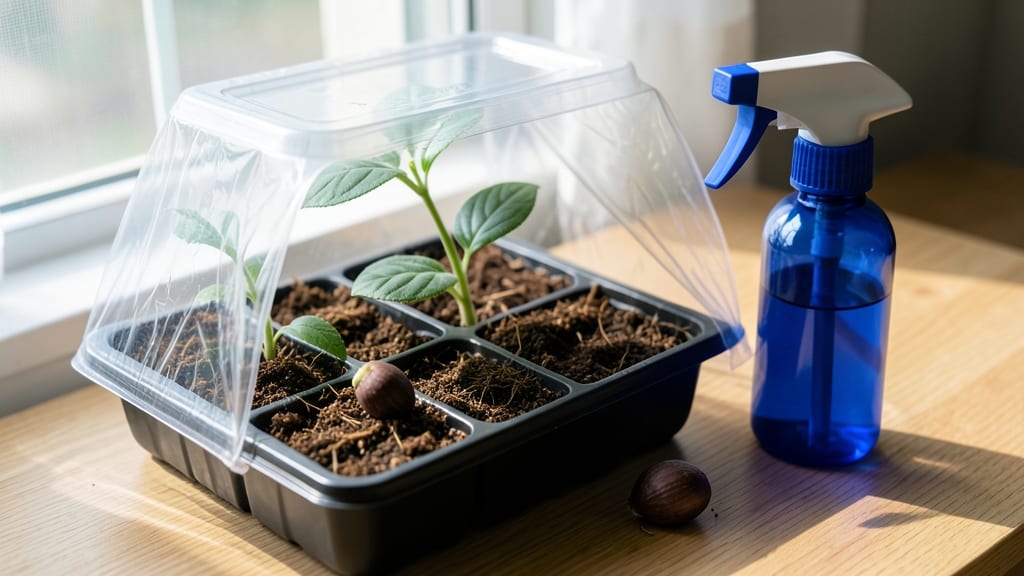
How to germinate soursop seeds can feel like unlocking a tiny miracle—those first green cracks in the seed are proof the magic is working. 🌱 I’ve watched dozens of seeds sit for months—until I learned the secret to breaking dormancy with just a little warmth and the right technique. Soursop seeds need patience, but with these steps, you’ll see sprouts in 4-8 weeks instead of waiting years.
The key is starting with fresh, viable seeds—look for plump, intact ones from ripe fruit. Soak them overnight to soften the tough outer shell, then give them a quick rub with sandpaper (this mimics nature’s scarification).
Plant them just below the soil surface in a warm, humid spot, and keep the medium damp but never soggy.
Once they sprout, you’ll notice tiny white roots first, then a pale shoot pushing through. That’s when the real magic begins—thin, delicate leaves unfurling like tiny tropical fans.
The hardest part is resisting the urge to rush; soursop seedlings grow slowly at first but reward you with strong, resilient plants once established.
Troubleshooting is simple: if mold appears, improve airflow; if sprouts stall, check your warmth (75-85°F is ideal). With each successful sprout, you’re one step closer to a tree that could feed your family for decades. Let’s get those seeds growing!
📚 In This Guide
- What you need
- Instructions
- Tips and common mistakes
- Wrapping up and next steps
What you need
- ● Fresh soursop seeds: 3–5 viable seeds (harvested from ripe fruit, cleaned, and dried for 1–2 days).
- ● Small pots or seed trays: 2–3 (4–6 inches deep) with drainage holes. Pro tip: Use biodegradable pots for easier transplanting! 🌱
- ● Well-draining potting mix: 2–3 cups (sterilized, peat-based or coconut coir blend with perlite for aeration).
- ● Plastic wrap or humidity dome: 1 (to retain moisture during germination).
- ● Spray bottle: 1 (for gentle watering).
- ● Heat mat or warm location: 1 (75–85°F range is ideal; under-grow lights or near a sunny window works too!).
- ● Label markers & tags: 2–3 (to track seed varieties and planting dates).
- ● Seed germination kit: 1 (includes heat mats, humidity domes, and trays for convenience).
- ○ Fungicide (optional): 1 small bottle (to prevent damping-off if humidity is high).
- ● Grow lights: 1–2 (if natural light is insufficient for seedlings).
- ● Fertilizer (low-dose): 1 (balanced 10-10-10 or organic option for post-germination care).
Step-by-step instructions for germinating soursop seeds
Here's the method I've used to coax stubborn soursop seeds into sprouting—it's all about warmth and consistency.
🌱 Step 1: Extract and Prepare the Seeds
Start by removing the seeds from ripe soursop fruit—save the largest, plumpest ones as they hold the best germination potential. Rinse them gently under lukewarm water to remove any fruit residue, then let them air-dry for 24 hours on a paper towel. This prevents mold while keeping the seed coat slightly damp for better moisture absorption later.
Here's the thing—soursop seeds have a thick, hard outer shell that slows germination. To speed things up, I soak them in warm water for 24-48 hours, changing the water every 8 hours. You'll know they're ready when the outer shell softens slightly and the seed feels lighter when you tap it. Don't skip this step—it can cut germination time in half.
💧 Step 2: Set Up a Warm Germination Environment
Fill a small container (like a 4-inch plastic pot or even a repurposed yogurt cup) with a mix of equal parts peat moss and perlite—this ensures good drainage while keeping moisture consistent. Moisten the mix until it feels like a damp sponge, then make ¼-inch deep indentations for each seed. Place one seed per hole to avoid overcrowding later.
Cover the seeds with a thin layer of the moist mix, then place the container inside a clear plastic bag or under a glass cloche. This creates a humid microclimate that mimics tropical conditions. Keep the setup in a warm spot—I use the top of my refrigerator (80-85°F) or a seedling heat mat set to 85°F. Germination won't happen below 70°F, so if your home runs cooler, consider a small greenhouse setup.
☀️ Step 3: Monitor Moisture and Wait for Sprouts
Check the container daily—you're aiming for soil that's evenly moist but not soggy. Mist lightly with a spray bottle if the surface feels dry to the touch, but avoid soaking the mix. Overwatering now leads to rot before sprouts even appear. Place the container in bright, indirect light—direct sun can overheat the plastic and dry out the seeds.
Patience is key here. Soursop seeds can take 2-6 weeks to sprout, depending on warmth and seed quality. Watch for the first tiny white root to emerge—this is your signal to remove the plastic cover immediately. Once roots appear, keep the soil consistently moist (not wet) and move the seedlings to a sunny windowsill or under grow lights for 12-14 hours daily. You'll see the first true leaves in another 2-3 weeks—that's when the real growth begins.
✂️ Step 4: Transplant Seedlings to Individual Pots
When seedlings develop 2-3 sets of true leaves (not the initial seed leaves), it's time to repot them. Use 4-inch pots filled with a light, airy potting mix (I blend 60% peat moss, 30% perlite, and 10% compost). Gently remove each seedling by grasping the leaves (not the stem) and place it in its own pot, burying the stem up to the first set of true leaves. This encourages stronger root development.
Water lightly after transplanting, then place the pots in dappled sunlight for the first week to reduce stress. Gradually increase sun exposure over 7-10 days—soursop seedlings handle morning sun best initially. You'll notice new growth within a week if everything's working. Here's where it gets fun: these tropical babies grow fast once they're settled!
Tips & tricks for germinating soursop seeds
Warmth and patience are your secret weapons when tackling these stubborn tropical seeds.
Seed Selection: Don't just grab any seeds—look for the largest, heaviest ones from fully ripe fruit. These plump seeds contain more stored energy for germination. I've found that seeds with a slight give when pressed gently tend to sprout faster. If you're working with multiple seeds, mark them with a soft pencil before soaking so you can track which ones respond best to your treatment.
Soaking Strategy: The 24-48 hour soaking window is your chance to break through that tough outer shell. Use warm water (around 80°F) and change it every 8 hours to prevent bacterial growth. I like to place a small plate under the bowl to catch any seeds that float—they're often less viable. A gentle swirl of the water every few hours helps oxygenate the seeds and speeds up the softening process.
Environmental Consistency: Maintaining that 80-85°F range is crucial, but don't stress if you can't hit it perfectly. I've had success with seeds sprouting at 75°F, though it takes longer. The key is consistency—fluctuations between warm and cool periods can confuse the seed's internal clock. If your home runs cool, consider placing the setup on top of your fridge (not inside) or using a small heating pad on low. Just avoid direct heat sources that could dry out your seeds.
Transplanting Timing: When you see those first true leaves (not the initial seed leaves), your seedlings are ready for their own space. The 2-3 sets of true leaves rule is a good guideline, but don't wait too long—crowded seedlings compete for nutrients. I like to transplant when the second set of true leaves has fully unfurled. This gives them enough energy to handle the stress of repotting while still being small enough to manage easily.
Pro Tips for Germinate Soursop Seeds
- Warmth and patience are your secret weapons when tackling these stubborn tropical seeds.
- Seed Selection: Don't just grab any seeds—look for the largest, heaviest ones from fully ripe fruit.
- Soaking Strategy: The 24-48 hour soaking window is your chance to break through that tough outer shell.
Frequently asked questions
Got questions about germinating soursop seeds? You’re not alone! Here are answers to the most common concerns—so you can grow your tropical tree with confidence.
How long does it take for soursop seeds to germinate?
Soursop seeds typically sprout in 4–8 weeks, but patience is key—some may take up to 3 months! Warmth (75–85°F) and consistent moisture speed up the process. If you’re in a cooler climate, consider a seedling heat mat for faster results.
What if my soursop seeds rot instead of sprouting?
Overwatering or poor drainage is the usual culprit. Let the soil dry slightly between waterings and use a well-draining mix (like perlite + peat). If rot happens, remove the seed, let it dry for a day, and replant in fresh, sterile medium.
Can I germinate soursop seeds without soil?
Yes! Try the paper towel method: wrap seeds in a damp paper towel, seal in a plastic bag, and place in a warm spot. Check daily—once a tiny root (½ inch) appears, transplant to soil. This speeds up germination and reduces rot risk.
How do I know if a soursop seed is still viable?
Fresh soursop seeds (from ripe fruit) have the best chance. Test viability by floating them: if they sink, they’re likely good; if they float, they’re probably dead. Store seeds in a cool, dry place until planting—viability drops after 3–6 months.
What’s the best temperature for soursop seed germination?
Keep it warm (75–85°F)—soursop seeds thrive in heat! Use a seedling heat mat or place the pot near a sunny window (not direct sun). If your home is cooler, a mini greenhouse or warm basement works too.
Wrapping up and next steps
Germinating soursop seeds is a rewarding journey that blends patience with a little warmth and care! 🌱 By following the right steps—from soaking to transplanting—you’ll soon watch tiny sprouts emerge, promising a future tropical treat. Don’t be discouraged if progress is slow; consistency is key.
Now that you’re armed with the know-how, why not take the next step? Share your progress with fellow plant enthusiasts, experiment with different soil mixes, or even try growing a few more seeds for a mini soursop grove. Happy growing—your tropical paradise awaits! 🌿✨