
Pests
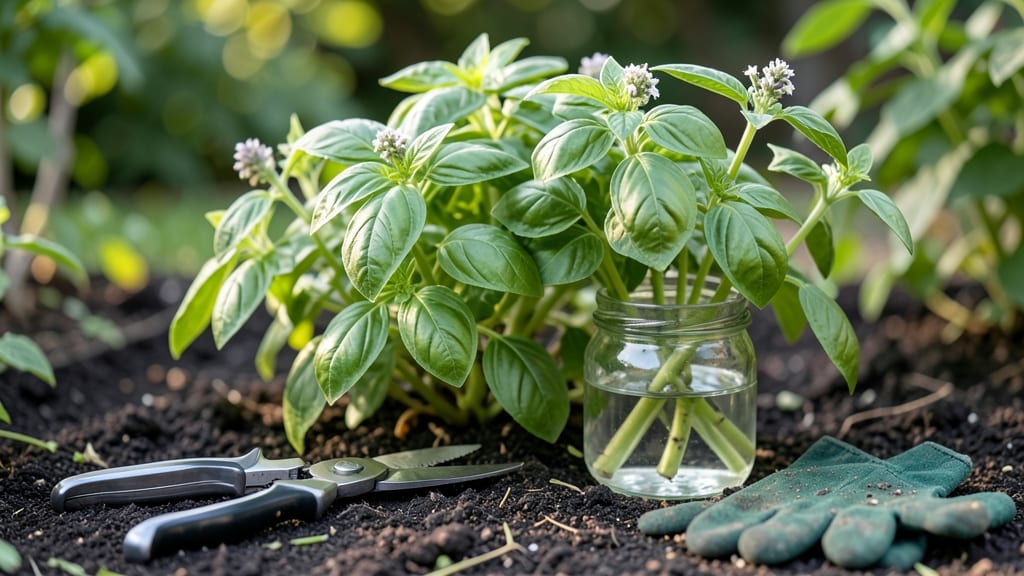
How to get bushy basil that looks like a lush green cloud instead of a sad stalk? ✨ The secret’s in how you handle those stems—pinching and pruning at the right spots turns leggy plants into leafy powerhouses. I’ve gone from struggling with sparse basil to harvesting enough for pesto every week, and it all comes down to a few simple techniques most gardeners miss.
You’ll need sharp scissors (clean ones!), a sunny spot with at least 6 hours of light daily, and well-draining potting mix. Overwatering or poor light kills bushiness faster than any pruning mistake.
The magic happens when you encourage the plant to branch out by cutting above leaf nodes—those little bumps where new stems can grow.
Within 2-3 weeks, you’ll see thick, bushy growth instead of tall, skinny stems. The more you prune, the more leaves you’ll harvest, and the plants stay compact enough to fit on windowsills or in small pots. No more buying wilted basil from the store—just endless fresh leaves for cooking.
Works for both container-grown and in-ground basil, and the same rules apply whether you’re growing Genovese, Thai, or purple basil. The key is consistency: prune regularly, keep it fed, and watch that bush transform into a leafy machine. Let’s get those stems branching!
📚 In This Guide
- What you need
- Instructions
- Tips and common mistakes
- Wrapping up and next steps
What you need
- ● Basil plant – Start with a healthy seedling (potted or in-ground) or basil seeds (if growing from scratch). Pro tip: 💡 Choose Genovese, Thai, or Purple basil for bushier growth!
- ● Well-draining potting mix – Use a high-quality organic soil blend (e.g., 50% peat moss, 30% perlite, 20% compost). Avoid heavy clay soil.
- ● Containers or garden bed – For pots: 6-8 inch diameter with drainage holes (basil hates soggy roots!). For gardens: full sun (6+ hours/day) and 6+ inches of space per plant.
- ○ Pruning shears or clean scissors – Sharp, sterilized tools prevent disease. 🔪 Optional: Use your fingers for small pinches!
- ● Watering can or hose with a gentle spray nozzle – Basil needs consistent moisture but hates waterlogged soil.
- ● Balanced liquid fertilizer – A 10-10-10 or 20-20-20 NPK ratio (diluted to half-strength) every 2-3 weeks during growing season.
- ● Garden twine or clips – To stake tall basil plants and encourage bushiness.
- ● Mulch (straw or shredded leaves) – Retains moisture and keeps roots cool.
- ● Grow lights – If indoors, provide 12-16 hours of light/day (LED grow lights work great!).
- ● Companion plants – Basil loves tomatoes, peppers, or oregano but avoid rue or sage (they stunt growth).
Step-by-step instructions for pruning and pinching basil
Here's the method I use to transform leggy basil into a lush, leafy bush—no fancy tools or guesswork.
🌱 Step 1: Identify and Pinch the First Set of Leaves
Wait until your basil plant has 6-8 true leaves—those are the mature leaves, not the tiny seed leaves. Pinching means snipping off the top set of leaves just above a pair of leaves. I use clean scissors or my fingers (yes, fingers work!) to pinch just above where the two leaves meet the stem. This forces the plant to branch out instead of growing taller.
Here's the thing—don't pinch too low. You want to leave at least 2-3 inches of stem below your cut. If you cut too close, you risk damaging the plant and slowing its growth. Watch for new side shoots forming within 7-10 days—that's your sign it's working!
✂️ Step 2: Prune Regularly to Encourage Bushiness
Once your basil starts branching, keep pruning every 2-3 weeks to maintain its shape. Cut back the tips of the new branches just above a set of leaves, but don't trim more than 1/3 of the plant at a time. This prevents stress and keeps the plant producing leaves instead of flowers.
I like to prune in the morning when the plant is hydrated. You'll see new growth spurt within 5-7 days—those are your bushy rewards! If you notice flowers starting to form, snip them off immediately. Flowers signal the end of the basil's leaf-producing life, and the plant will focus on seed production instead of giving you those delicious leaves.
💧 Step 3: Water and Feed for Optimal Growth
Basil needs 1-1.5 inches of water per week, but don't let it sit in soggy soil. Water deeply at the base of the plant in the morning so the leaves stay dry during the day—this prevents fungal diseases. I check the soil by sticking my finger 1 inch deep; if it feels dry, it's time to water.
Feed your basil with a balanced, water-soluble fertilizer every 2-3 weeks during the growing season. I use half-strength fertilizer to avoid burning the roots. You'll know it's working when the leaves stay vibrant green and the plant grows steadily. If the leaves start yellowing, it's a sign of overwatering or too much fertilizer—cut back on both immediately.
☀️ Step 4: Provide the Right Light and Airflow
Basil thrives in 6-8 hours of direct sunlight daily. Place your plant in a spot where it gets morning sun and afternoon shade if you're in a hot climate. If you're growing indoors, a south-facing window is ideal. If your basil starts looking leggy again, it's not getting enough light—move it closer to the window or add a grow light.
Good airflow is just as important as sunlight. I keep my basil near an open window or use a small fan on low setting to gently move the air around it. This prevents diseases like downy mildew and keeps the plant strong. You'll see the leaves stay crisp and the stems grow sturdy with proper airflow.
🌿 Step 5: Harvest Leaves to Encourage More Growth
Harvesting isn't just about getting fresh basil—it's a way to encourage your plant to grow bushier. Pinch off individual leaves from the outer edges of the plant, always leaving at least 1/3 of the leaf attached. This prevents damaging the plant and encourages new growth.
Harvest in the morning after the dew has dried but before the heat of the day. You'll notice new leaves forming within 3-5 days, and your plant will stay compact and full. If you're growing basil for pesto, harvest the whole stem just above a set of leaves—this encourages more branching and a fuller plant.
Tips & tricks for perfect basil pruning
These simple tricks will help you transform your leggy basil into a thriving, leafy bush with minimal effort.
Timing Secret: The 7-10 day window after your first pinch is when you'll see the most dramatic transformation. This is when the plant's energy shifts from vertical growth to producing new branches. Mark your calendar or set a phone reminder—consistency is key! If you're impatient, you can gently brush the stems with your fingers to stimulate branching, but don't overdo it.
Pruning Precision: When you're pruning every 2-3 weeks, focus on cutting just above a set of leaves where the stem is slightly thicker. This is where new growth will emerge most vigorously. I like to use my thumb and forefinger to pinch rather than cutting with scissors—it gives me better control and prevents accidental damage to the stem. Remember, you're training the plant, not just harvesting leaves!
Light and Growth: Those 6-8 hours of sunlight are non-negotiable for bushy basil. If you notice your plant stretching toward the light, it's begging for more. For indoor growers, a simple LED grow light on a timer can work wonders. Place it 6-12 inches above the plant and run it for 12-14 hours daily. The extra light mimics natural conditions and prevents that leggy growth we're trying to avoid.
Harvesting Hack: If you're growing basil specifically for pesto, harvest entire stems rather than individual leaves. Cut just above a set of leaves where the stem is about pencil-thick. This encourages the plant to produce more stems and creates a fuller, bushier plant. Plus, you'll get more leaves per harvest this way!
Pro Tips for Get Bushy Basil
- These simple tricks will help you transform your leggy basil into a thriving, leafy bush with minimal effort.
- Timing Secret: The 7-10 day window after your first pinch is when you'll see the most dramatic transformation.
- Pruning Precision: When you're pruning every 2-3 weeks, focus on cutting just above a set of leaves where the stem is slightly thicker.
Frequently asked questions
Got questions about growing bushy basil? You’re not alone—many gardeners want that perfect, leafy plant! Here are answers to the most common queries to help you master your basil game.
How often should I pinch basil to keep it bushy?
Pinch your basil every 2–3 weeks during the growing season (spring to fall). Focus on the top sets of leaves when the plant is about 6 inches tall. This encourages lateral growth, but don’t overdo it—too much pinching can stress the plant.
What if my basil keeps growing tall and leggy instead of bushy?
Leggy basil usually means it’s not getting enough light. Move it to a sunny spot (6+ hours of direct sunlight daily) or supplement with grow lights. Also, avoid overcrowding—space plants 12–18 inches apart. If it’s already tall, prune aggressively to promote new growth.
Can I use pruned basil leaves for cooking?
All healthy leaves—including pinched ones—are edible. Use them fresh in salads, pesto, or pasta. Just avoid yellow or wilted leaves. Pro tip: Store pruned leaves in the fridge for up to a week or freeze them for later.
Is it too late to pinch basil if it’s already flowering?
If your basil has bolted (flowered), it’s past the pinching stage—those flowers signal the plant is done producing leaves. Snip off the flowers to prevent seed production, but expect slower regrowth. For future plants, prioritize pinching early to delay bolting.
What’s the best way to revive a bushy basil plant that’s looking sad?
Check for underwatering or overwatering first—basil likes soil that’s moist but not soggy. Trim any yellow leaves and move the plant to better light. If pests (like aphids) are the issue, spray with soapy water or neem oil. Give it time—healthy roots will bounce back!
Wrapping up and next steps
Growing a lush, bushy basil plant is totally within your reach—just remember: prune, pinch, and provide the right care! With consistent trimming, proper sunlight, and a little patience, you’ll enjoy a thriving harvest for months. 🌿✨
Now that you’re armed with the know-how, roll up your sleeves and try it yourself! Start with your first pinch today, and soon you’ll be savoring homegrown basil in every dish. Happy gardening! 🌱💚