
Pests
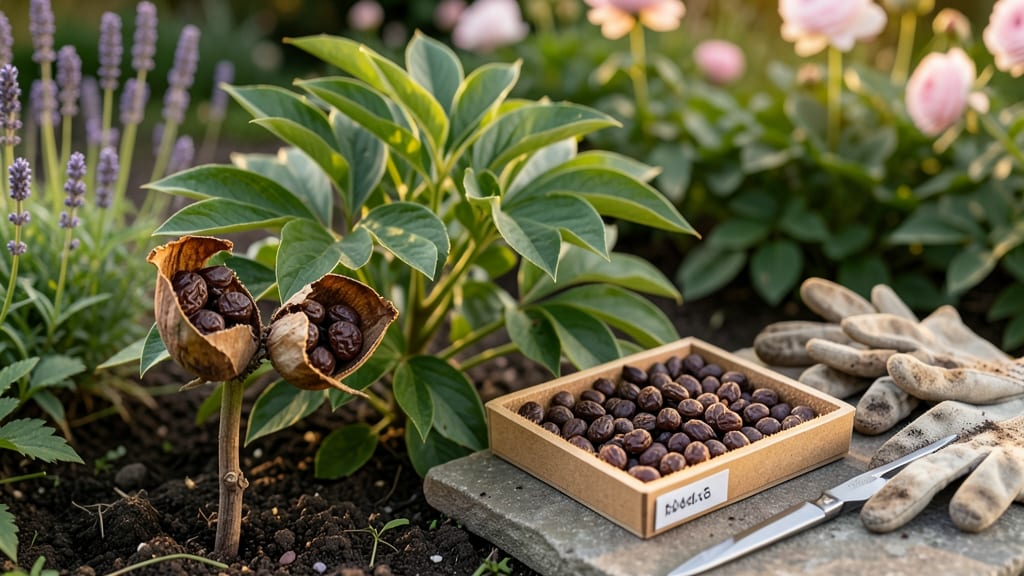
How to get peony seeds hides in plain sight—right inside those papery pods. 🌱 Most gardeners never bother, but if you're patient, you can grow peonies from seed (yes, really!). The catch? Viability drops fast unless you cure them properly, but with just sunlight and a little time, you can unlock this old-school propagation method.
Here's the deal: peony seeds need sun-curing to break dormancy, which means leaving them in a dry, sunny spot for 4-6 weeks. No fancy equipment—just a windowsill or paper bag works.
The goal is to dry them out completely before planting, which tricks the seed into thinking winter's passed. Most people skip this step and wonder why their seeds fail to sprout.
You'll end up with plants that take 3-5 years to bloom, but the thrill of growing a peony from seed—especially rare varieties—makes it worth the wait.
The first true leaves will emerge like tiny green fans, and by year three, you might spot that classic peony silhouette pushing through the soil. Patience pays off with plants that outlast cuttings or divisions.
Fair warning: seed-grown peonies won't look like their parent plants at first. That's normal—it takes generations for traits to stabilize. For quicker results, consider layering stems or dividing established plants. But if you love a challenge, these sun-cured seeds are your ticket to a peony collection built from scratch.
📚 In This Guide
- What you need
- Instructions
- Tips and common mistakes
- Wrapping up and next steps
What you need
- ● Mature peony plants: Healthy, disease-free peony varieties (e.g., Paeonia lactiflora or Paeonia officinalis) with fully developed seed pods. Note: Not all peonies produce viable seeds—look for hybrids or heirloom varieties.
- ● Pruning shears or sharp scissors: For cleanly harvesting seed pods (sterilize with rubbing alcohol to prevent disease transfer).
- ● Paper bags or breathable mesh sacks: To collect and dry seed pods (avoid plastic—it traps moisture!).
- ● Sunny, dry location: A well-ventilated area (like a porch or greenhouse) with indirect sunlight for curing pods (60–75°F / 15–24°C is ideal).
- ● Tweezers or small knife: For gently opening dried pods to extract seeds.
- ● Small containers (e.g., egg cartons or seed trays): For storing seeds until planting (label them clearly!).
- ● Patience: Seed viability can take 6–12 months—don’t rush the process!
- ● Hydrometer or seed viability test kit: To check seed germination rates before planting.
- ● Grow lights: If your climate lacks sufficient sunlight for seedling growth.
- ● Compost or seed-starting mix: For potting seeds if you’re not direct-sowing.
- ● Notebook or app: To track pod collection dates and seed maturity.
- ● Pest deterrents (e.g., neem oil): If squirrels or birds are eyeing your pods!
Tips & tricks for perfect peony seed processing
Even the simplest methods can be elevated with these insider tips—especially when dealing with delicate plant materials like peony seeds.
Timing Secret: In Step 1, when checking for ripe pods, I've learned the hard way that waiting an extra 3-5 days for pods to fully dry on the plant makes all the difference. The pods should feel completely dry and hollow when you tap them—this is your only reliable indicator of readiness. If you harvest too early, the seeds won't germinate properly, no matter how well you cure them afterward.
Sun-Curing Strategy: For Step 2, the 7-10 day sun-curing window is non-negotiable, but here's what I do to maximize success: Place your mesh tray on a surface that gets morning sun but afternoon shade (like under a patio cover). This prevents the pods from overheating above 90°F while still getting enough UV exposure to break dormancy. I also rotate the tray daily to ensure even exposure—pods on the edges tend to dry faster.
Storage Wisdom: When storing seeds in Step 3, I've found that using small glass jars with tight-sealing lids creates the perfect environment. The glass helps maintain consistent temperature, while the dark color blocks light that can degrade seed viability. For extra protection, place a small silica gel packet inside the jar—it absorbs any residual moisture that could cause mold during the 6-month storage period.
Pro Tips for Get Peony Seeds
- Even the simplest methods can be elevated with these insider tips—especially when dealing with delicate plant materia...
- Timing Secret: In Step 1, when checking for ripe pods, I've learned the hard way that waiting an extra 3-5 days for p...
- Sun-Curing Strategy: For Step 2, the 7-10 day sun-curing window is non-negotiable, but here's what I do to maximize s...
Frequently asked questions
Got questions about peony seeds? You’re not alone—growing from seed can be tricky! Below are answers to the most common questions, from timing to troubleshooting, so you can tackle your peony project with confidence.
How long does it take for peony seeds to germinate?
Peony seeds are notoriously slow to germinate—expect 30 to 90 days (or even longer!) in ideal conditions. Patience is key! Stratification (cold treatment) is critical; without it, seeds may never sprout. Keep soil consistently moist but not soggy, and place seeds in a cool, dark spot until you see tiny green shoots.
Do peony seeds need stratification, and how do I do it?
Yes! Stratification mimics winter and breaks seed dormancy. Cold-moisten your seeds for 6–8 weeks in a sealed bag with damp paper towels in the fridge (33–40°F). For outdoor sowing, plant seeds in fall—they’ll naturally stratify over winter. Pro tip: Label your seeds since germination can take months!
Can I grow peonies from seed, or should I just buy a plant?
While possible, peonies grown from seed take 3–5 years to bloom (vs. 2–3 years for nursery plants). If you’re patient and love the challenge, go for it! For quicker results, consider root cuttings or purchasing bare-root plants. Seed-grown peonies may also vary in color/flower form from the parent plant.
What pests or diseases should I watch for with peony seeds?
Peony seeds are vulnerable to fungal rot (from overwatering) and slugs/snails (they adore tender seedlings). Use well-draining soil and avoid soggy conditions. For pests, set up beer traps or use organic slug bait. If mold appears, reduce moisture and improve airflow immediately.
Will my peony seeds grow into the same flowers as the parent plant?
Probably not! Peonies are highly variable from seed—expect surprises in color, petal shape, or even flower type (herbaceous vs. tree peonies). If you want a specific cultivar, grafting or dividing existing plants is your best bet. Seed-grown peonies are a fun experiment, though!
Wrapping up and next steps
Growing peony seeds from sun-cured viability is a rewarding journey that blends patience with nature’s beauty! 🌱 By following these three simple steps—harvesting, drying, and storing—you’re not just preserving seeds, but unlocking the potential for stunning blooms in your garden.
Remember, consistency in drying and proper storage are key to success.
Now that you’re equipped with the know-how, why not take the next step? Start with a small batch of seeds, experiment with different peony varieties, and share your progress with fellow gardening enthusiasts. Happy growing—your future peony paradise awaits! 🌸