
How To
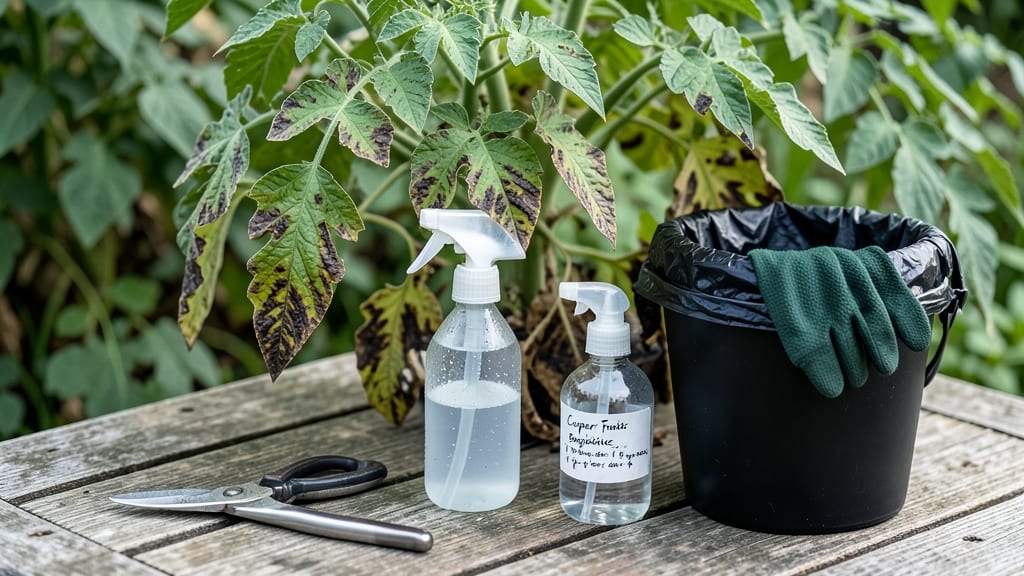
How to get rid of blight on plants—before it turns your tomato leaves to brittle brown in a single night. 🌱 I’ve lost entire plants to it—until I discovered this boiling water trick that stops fungal spread dead in its tracks. It’s not just prevention; it’s a cure that works when plants are already showing spots.
The secret? A boiling water barrier poured around infected plants to kill spores before they jump to healthy ones. You’ll need a kettle, a long spoon, and about 10 minutes—no fancy tools, just science.
This method works for early blight, late blight, and even powdery mildew on peppers and potatoes.
By the time you’re done, your plants will start recovering within 3-5 days, and new growth will push out strong and disease-free. The best part? It’s organic, chemical-free, and cheaper than store-bought sprays. No more watching your harvest wither.
Works in gardens, containers, or even potted plants. Here’s exactly how to do it—no guesswork, just results. Let’s save your plants before it’s too late.
Root Causes of Plant Blight
Blight isn’t just a random plant enemy—it’s a sneaky fungal (or bacterial) ambush triggered by specific conditions. Understanding why it strikes helps you outsmart it before it ruins your garden. Below are the real culprits behind blight outbreaks, broken down by their scientific triggers and how they exploit your plants.
Blight often starts as microscopic fungal spores floating in the air or hiding in soil, waiting for the perfect moment to infect.
These spores belong to pathogens like Phytophthora (late blight) or Alternaria (early blight), which thrive in: - Humid conditions (70%+ humidity) – Spores germinate faster in damp air, forming slimy spore masses on leaves. - Warm, stagnant air – Nighttime temperatures between 60–80°F (15–27°C) create ideal conditions for spore release and growth. - Rain or overhead watering – Splashes from rain or sprinklers carry spores directly onto leaves, bypassing natural defenses.
Why it matters: If your garden is a soggy, steamy paradise, spores party like it’s 2024—until your tomatoes or potatoes start looking like they’ve been hit by a fungal tsunami.
Plants fight blight best when they’re healthy and stress-free. But when they’re weakened, blight exploits their vulnerabilities. Common triggers include: - Poor nutrition – Low nitrogen or potassium starves plants, making them more susceptible.
(Think of it like skipping vitamins before a marathon—you’re an easy target.) - Overcrowding – Plants competing for air and sunlight develop thin, stressed foliage, which blight loves to latch onto. - Physical damage – Pruning wounds, hail, or insect bites create entry points for spores to invade. - Sudden environmental shifts – Moving plants from shade to full sun (or vice versa) shocks their systems, lowering resistance.
Pro tip: 💡 Test your soil before planting—balanced nutrients (especially potassium) act like a plant armor against fungal attacks.
Blight spores need water to germinate, and nothing keeps leaves wetter than: - Poor drainage – Soggy soil = soggy roots = water-logged leaves.
Pathogens like Phytophthora (which causes root rot and blight) thrive in waterlogged conditions. - Morning dew – While natural, dew lingers on leaves all day, giving spores a 24-hour buffet. - Overhead irrigation – Unlike drip systems, sprinklers drench foliage, turning leaves into fungal breeding grounds.
Actionable fix: 🌡️ Water at the base (early morning) and avoid mulching too close to stems—this keeps leaves dry and blight at bay.
Blight pathogens are persistent survivors.
They can hitch a ride on: - Dirty gardening tools – Pruners, shovels, or even your hands can transfer spores from infected plants to healthy ones. - Old plant debris – Leaving infected leaves or stems in the soil over winter gives spores a cozy place to overwinter and return next season. - Infested compost – If your compost pile has blighted plant material, it’s a spore factory waiting to infect new crops.
Shocking stat: 🎯 One infected tomato plant can produce enough spores to reinfect your entire garden—don’t underestimate the power of a single contaminated tool!
Blight isn’t picky—it adapts.
But some climates accelerate outbreaks: - Cool, wet springs – Ideal for Phytophthora (late blight), which spreads rapidly in temperatures 50–70°F (10–21°C) with high humidity. - Hot, humid summers – Alternaria (early blight) thrives in dry heat followed by sudden rain, creating the perfect storm for spore germination. - Regions with frequent fog – Coastal areas or valleys with morning fog trap moisture on leaves, extending the blight’s window of attack.
Regional alert: 🌡️ If you live in the Pacific Northwest, Midwest, or Southeast, you’re in a high-risk zone—stay vigilant during "blight season" (spring to early fall).
How to Fix Blight Fast
Blight doesn’t have to mean the end of your garden—with the right approach, you can stop it in its tracks and save your plants.
Below, we’ve broken down targeted solutions based on the most common causes of blight (fungal infections, poor airflow, or overwatering) and paired them with preventive tips to keep your garden thriving. No fancy tools required—just practical, garden-tested fixes.
If brown, mushy spots or white mold are spreading, fungal blight is likely the culprit. The boiling water barrier method (featured in this article) is a game-changer, but here’s how to pair it with other tactics for total eradication:
🍳 Step 1: Prune Like a Pro
- 🔪 Snip infected leaves/stems at least 1 inch below the blighted area using sterilized pruners (wipe with rubbing alcohol between cuts).
- 🗑️ Dispose of clippings in the trash (not compost)—fungus can survive in yard waste.
- Pro Tip: 💡 Prune in the morning when plants are dry to reduce spread via tools.
👨🍳 Step 2: Apply the Boiling Water Barrier
- Boil 1 gallon of water (no additives) and let it cool for 10–15 minutes (still hot but not scalding).
- Pour directly onto soil around (not on) the plant’s base, creating a 1–2 inch wide ring. - Why? Heat kills fungal spores hiding in soil without harming roots.
- Repeat weekly until new growth appears (usually 2–3 weeks).
🥘 Step 3: Boost Airflow & Light
- 🌬️ Space plants 12–18 inches apart (check seed packets for variety-specific needs).
- 🌞 Thin dense foliage to improve sunlight penetration—fungus thrives in shade.
- Pro Tip: 🌡️ Avoid watering leaves (use drip irrigation or water at the base).
✨ Step 4: Natural Fungicides (Optional but Helpful)
Mix 1 tbsp baking soda + 1 tsp dish soap + 1 gallon water in a spray bottle.
Apply to undersides of leaves every 7–10 days. Caution: Test on a small area first—some plants (like tomatoes) tolerate it well, while others may react.
Yellowing leaves, soggy soil, or blight appearing after rain? Root stress is often the hidden cause.
💡 Step 1: Check Your Watering Habits
- 🚰 Water deeply but infrequently—aim for 1–1.5 inches per week (including rain).
- 🕒 Best time to water: Early morning (6–10 AM) so foliage dries by night.
- Pro Tip: 🎯 Use a moisture meter to avoid guesswork—most plants hate "wet feet."
🏗️ Step 2: Improve Soil Drainage
- 🪴 Amend heavy clay soil with compost or perlite (mix 1 part amendment to 3 parts soil).
- 🪴 Elevate containers with saucers or add gravel at the bottom before potting mix.
- Pro Tip: 🔥 Raise garden beds if your yard floods easily—blight loves waterlogged zones.
🌱 Step 3: Mulch Strategically
- 🍂 Apply 2–3 inches of organic mulch (straw, wood chips) around plants—but keep it 2 inches away from stems to prevent rot.
- Avoid: Plastic mulch (traps moisture) or thick layers (smothers roots).
Once you’ve treated the current outbreak, lock in your wins with these long-term strategies:
| Problem | Prevention Fix | How Often |
|---|---|---|
| Fungal spores in soil | Solarize soil (cover with clear plastic for 4–6 weeks in summer) | Once per year |
| Weakened plants | Fertilize with compost (not synthetic nitrogen-heavy feeds) | Every 4–6 weeks |
| Contaminated tools | Sterilize pruners with rubbing alcohol | After each use |
| Crowded gardens | Rotate crops (don’t plant tomatoes/potatoes in the same spot yearly) | Annually |
If blight spreads despite your efforts or you’re dealing with large-scale infestations, consider:
- 🍄 Copper fungicides (like Bordeaux mixture) for severe cases.
- 🌱 Replace heavily infected plants (some varieties are more resistant—try ‘Defiant PhR’ tomatoes).
- 📞 Consult a local extension office for region-specific advice.
Frequently asked questions
Why does blight spread so fast in humid weather?
Blight thrives in humidity because fungal spores need moisture to germinate and spread. When air stays above 70% humidity, spores grow rapidly on leaves, creating new infection points every 12–24 hours. The combination of warm nights (60–80°F) and damp foliage turns your garden into a fungal buffet.
Can I save a plant that’s already 50% covered in blight?
It depends! If the leaves are crispy and brown, prune them immediately and apply the boiling water barrier. However, if the stems are mushy or the plant wilts, it’s often too late—remove it completely to prevent spreading. For early-stage blight, healthy plants can recover in 3–5 days with treatment.
Is baking soda really effective against blight?
Yes, but it’s a preventive tool, not a cure. Mix 1 tbsp baking soda + 1 tsp dish soap + 1 gallon water and spray on leaves every 7–10 days. The baking soda raises leaf pH, making it harder for spores to latch on. For active blight, combine it with the boiling water barrier for best results.
How do I know if my blight is fungal or bacterial?
Fungal blight (like early/late blight) causes brown, dry spots with yellow halos, while bacterial blight creates water-soaked, greasy-looking lesions that ooze when pressed. Fungal blight also spreads slower unless humidity is extreme. If in doubt, check for white mold (fungal) or black streaks (bacterial).
Will copper fungicides harm my plants or beneficial insects?
Copper fungicides (like Bordeaux mixture) are low-risk for plants when used correctly, but they can harm earthworms and bees if overapplied. Use sparingly—only for severe outbreaks—and avoid spraying during peak pollination times. Organic alternatives like neem oil are safer for ecosystems but less effective for blight.