
Pests
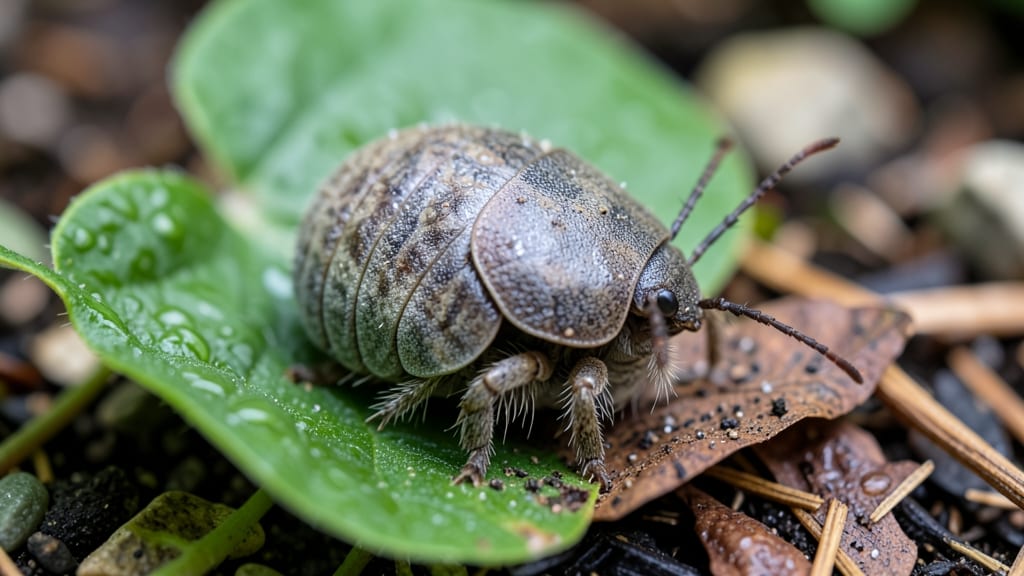
How to get rid of pill bugs in your garden naturally—without chemicals or harsh sprays? 🌱 Those tiny, armored invaders rolling through your mulch don’t stand a chance with these simple, eco-friendly tricks. These critters thrive where it’s damp and dark, so the fix starts with simple tweaks: reducing mulch piles, improving drainage, and adding copper tape as a natural barrier. My favorite trick? Sprinkling diatomaceous earth around plants—it’s invisible to humans but deadly to their soft bodies. By next week, you’ll see fewer pill bugs scurrying under leaves, and your soil will stay healthier. The best part? These methods protect your plants and the beneficial bugs you actually want in the garden. Works for vegetable beds, flower gardens, and even patio containers. Let’s reclaim your soil the natural way!
What Lures Them In
Pill bugs—those armored, woodlouse-like critters—aren’t just random visitors to your garden. They’re drawn in by a mix of environmental factors, food sources, and even your garden’s layout. Understanding why they show up is the first step to outsmarting them. Let’s break down the science behind their uninvited houseguest behavior.
Pill bugs thrive in damp conditions because they’re terrestrial crustaceans that rely on moisture to breathe through tiny pores called pleopods. If your garden feels like a swamp—whether from overwatering, poor drainage, or shade-heavy spots—you’ve created a five-star resort for them.
- Why it matters: They seek out mulch, leaf litter, or soil that stays consistently moist, often hiding under rocks, logs, or dense plant beds.
- Actionable clue: Check for soggy mulch, waterlogged soil, or areas where water pools after rain. These are their favorite hangouts.
Pill bugs are detritivores, meaning they feast on decomposing plant material. If your garden is a composting goldmine—think fallen leaves, rotting wood, or overripe fruit—they’ll roll in like a food truck convoy.
- Why it matters: They break down organic matter, but their presence in large numbers signals an imbalance. Too much decay = too much buffet.
- Actionable clue: Pile-up of leaf litter, compost heaps, or unraked garden debris? That’s their all-you-can-eat sign.
Pill bugs avoid direct sunlight because their exoskeletons dry out quickly. They prefer humid, shaded microclimates under thick ground cover, dense shrubs, or even the undersides of large leaves.
- Why it matters: Gardens with heavy mulch, tall grasses, or overgrown perennials provide perfect hiding spots and moisture retention.
- Actionable clue: If your garden resembles a jungle, they’re likely nesting in the shadows. Thin out overgrowth to reduce their real estate.
Pill bugs love to hitchhike on garden debris. Rocks, logs, and even that old broken pot aren’t just decor—they’re their mobile homes. These structures hold moisture and provide shelter from predators.
- Why it matters: A single pile of bark mulch or a stack of firewood can harbor hundreds of pill bugs, spreading to your plants.
- Actionable clue: Scan your garden for clutter. If it looks like a scene from a nature documentary, they’re probably using it as a base camp.
Pill bugs are most active during spring and fall when humidity is high and temperatures are mild. In drier months, they retreat underground or into dense mulch to avoid desiccation.
- Why it matters: Sudden spikes in pill bug sightings often coincide with rain or cooler weather—nature’s signal for them to party.
- Actionable clue: If you notice them multiplying after a rainy spell, they’re taking advantage of your garden’s temporary spa-like conditions.
Now that you know what’s inviting them to the party, the next step is flipping the script—and turning your garden into a place they’d rather avoid. 🚫🐜
Natural Fixes for Pill Bug Problems
Now that you understand why pill bugs (also called roly-polies or woodlice) are lurking in your garden, let’s tackle how to safely and effectively evict them without harsh chemicals.
The good news? Most solutions are simple, eco-friendly, and require minimal effort. Below, we’ve matched common causes to targeted fixes—along with prevention tips to keep them from returning.
Pill bugs thrive in damp, mulch-heavy environments where they can feast on decomposing leaves, wood, or plant debris. If your garden is a soggy buffet, they’ll stick around.
🔥 Fix: Reduce Humidity & Dry Out Their Habitat
- Improve Drainage 💧
- Rake away thick layers of mulch (especially near foundations or shaded areas).
- Replace soggy mulch with dried leaves, straw, or wood chips—these dry out faster.
- If your garden has poor drainage, amend soil with sand or compost to aerate it.
- Remove Hiding Spots 🧹
- Clear piles of rotting wood, old plant debris, or cardboard (their favorite hiding spots).
- Store firewood elevated and off the ground to deter them from nesting nearby.
- Use Diatomaceous Earth (DE) ✨
- Sprinkle food-grade DE lightly around entry points (like under pots or along garden edges).
- Why it works: DE dehydrates pill bugs by damaging their exoskeletons. Reapply after rain.
Pill bugs love shady, moist areas where they can munch on tender seedlings or young plants. If your garden is perpetually damp, they’ll see it as an all-you-can-eat salad bar.
🍳 Fix: Adjust Watering & Increase Sun Exposure
- Water Smartly 💦
- Water early in the morning so soil dries faster.
- Avoid overhead watering—use drip irrigation or soaker hoses to keep foliage dry.
- Let the top inch of soil dry out between waterings.
- Prune Shady Areas ☀️
- Thin out dense foliage to increase airflow and sunlight.
- Plant sun-loving perennials (like lavender, rosemary, or thyme) to naturally repel pill bugs.
- Copper Barrier Hack 🛡️
- Bury a copper tape or wire (1-2 inches deep) around garden beds or raised planters.
- Why it works: Pill bugs dislike copper—it creates a mild electric barrier they avoid.
If they’re crawling indoors or into your greenhouse, they’re likely seeking shelter from dry conditions outside. A few stragglers can turn into a full-blown infestation if unchecked.
👨🍳 Fix: Seal Entry Points & Dry Them Out
- Inspect & Seal Gaps 🔧
- Check for cracks in foundations, windows, or doors—seal with caulk or weatherstripping.
- Install door sweeps to block entry from garages or patios.
- Dry Out Indoor Spots 🌡️
- Use a dehumidifier in basements or greenhouses to keep humidity below 50%.
- Store firewood, cardboard, or paper outside in a sealed container.
- Natural Repellents 🌿
- Sprinkle crushed eggshells or coffee grounds near entry points (they dislike the texture).
- Place cedar chips or citrus peels in problem areas—their scent deters them.
Once you’ve banished pill bugs, proactive steps will stop them from moving back in:
- 💡 Rotate Garden Practices: Avoid piling organic matter in one spot—distribute compost and mulch evenly.
- 🔥 Stay Dry: Use gravel or landscape fabric under mulch to prevent moisture buildup.
- 🌡️ Monitor Humidity: Install a hygrometer to track moisture levels in greenhouses.
- ✨ Plant Smart: Add garlic, mint, or catnip near garden edges—their strong scents repel pill bugs.
- 🧹 Regular Tidy-Ups: Sweep up leaf litter and debris weekly to remove their food sources.
- ❌ Avoid salt or chemical pesticides—they harm beneficial insects and soil health.
- ❌ Don’t drown them—while it kills them, it doesn’t solve the root cause (moisture).
- ❌ Skip prevention—pill bugs will return if conditions stay ideal for them.
By targeting the root cause (moisture, shade, or shelter) and using natural deterrents, you can reclaim your garden without resorting to toxic sprays. Most methods take a few days to a week to show results—so stay consistent, and those roly-polies won’t stand a chance! 🚫🪲
Frequently asked questions
Are pill bugs actually harmful to my garden?
Pill bugs (roly-polies) are mostly harmless—they help break down organic matter, which benefits soil health. However, in large numbers, they can damage tender seedlings, young plants, and even eat holes in leaves. The key is balance: they're beneficial in moderation but become pests when overpopulated.
How long does it take for natural remedies to work?
Most natural solutions like diatomaceous earth or copper barriers show results within 3-7 days, depending on how severe the infestation is. For long-term control, combine remedies with habitat changes (like reducing mulch or improving drainage)—this creates a pill-bug-unfriendly environment that keeps them away for months.
Can I use vinegar to kill pill bugs?
While vinegar can kill pill bugs on contact, it's not practical for garden use. A better approach is to use a 1:1 vinegar-water spray on their hiding spots (like under rocks or mulch), but it won't solve the moisture problem that attracts them in the first place. Focus on drying out their habitat instead.
Will pill bugs come back after I've gotten rid of them?
Yes, they may return if you don't address the root causes—moisture, shade, and organic debris. To prevent recurrence, maintain dry conditions (use gravel under mulch), remove leaf litter regularly, and consider planting repellent herbs like mint or garlic near garden edges.
Are there any plants that naturally repel pill bugs?
Planting lavender, rosemary, thyme, or catnip near garden beds creates a natural barrier pill bugs dislike. These plants thrive in sunny conditions (which pill bugs avoid) and their strong scents act as a deterrent. Bonus: they'll also improve your garden's appearance and fragrance!