
Size
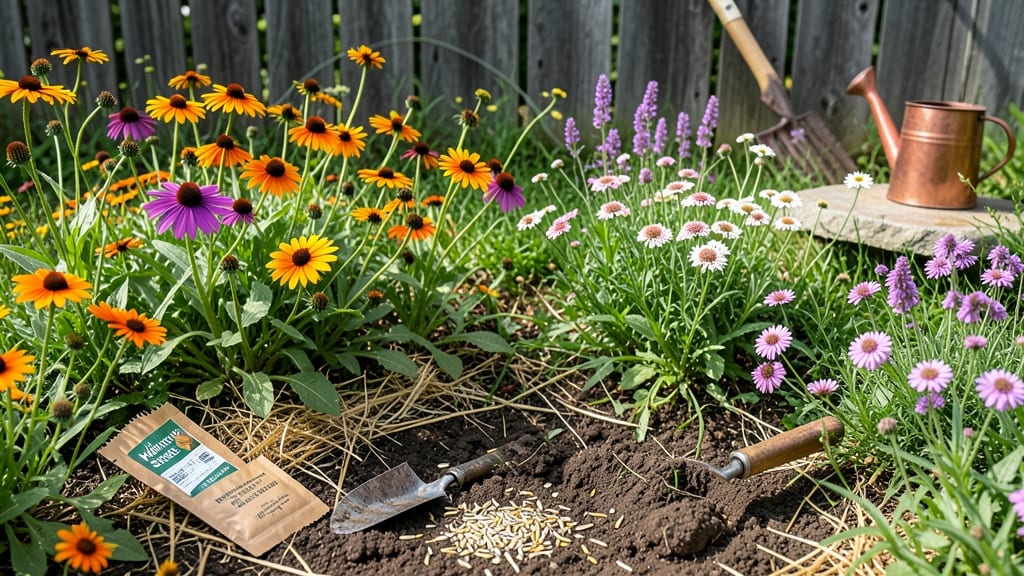
How to grow a wildflower patch transforms bare ground into a buzzing, colorful paradise. 🌼 I’ve watched my own patch go from a patch of dirt to a thriving meadow in just two seasons—no fancy tools or constant care required. The secret starts with the right soil and seeds. Skip the tilling—wildflowers thrive in undisturbed earth. Choose native species for your region, as they demand less water and attract local pollinators like bees and butterflies. A simple rake and a sprinkle of seeds are all you need to begin. By late summer, you’ll see a riot of blooms that last well into fall. The patch requires almost no maintenance after the first year, and the pollinators will thank you for years to come. It’s gardening at its easiest—and most rewarding. Perfect for sunny spots, edges of lawns, or even between sidewalk cracks. Here’s how to get started without the guesswork.
📚 In This Guide
- What you need
- Instructions
- Tips and common mistakes
- Wrapping up and next steps
What you need
- ● Wildflower seeds: Choose a native seed mix (1–2 lbs per 100 sq. ft.). Opt for pre-mixed blends or single-species seeds like black-eyed Susan, coneflower, or milkweed.
- ● Soil: Loose, well-draining topsoil (1–2 inches deep) or compost-amended native soil. Test pH if your region has acidic/alkaline soil.
- ● Sunlight access: A full-sun spot (6+ hours/day) or partial shade (4–6 hours) for shade-tolerant varieties.
- ● Water source: A hose with a gentle spray nozzle or a drip irrigation system (for consistent moisture).
- ● Garden tools: Hand trowel or transplanting spade
- ● Rake (for smoothing soil)
- ● Garden gloves (to protect your hands)
- ○ Mulch (optional but helpful): Straw or wood chips (1–2 inches) to retain moisture and suppress weeds.
- ● Edging materials: Stones, bricks, or metal borders to define your patch.
- ● Wildflower seed tape: Pre-spaced seeds on biodegradable tape for easier planting.
- ● Bird/butterfly feeders: Attract pollinators to your patch!
- ● Native plant guidebook: Identify your region’s best wildflowers for year-round blooms.
Step-by-step instructions for creating a low-maintenance wildflower meadow
Here's how to transform your yard into a vibrant wildflower patch that thrives with almost no upkeep.
🌱 Step 1: Choose the Perfect Location and Clear the Space
Pick a sunny spot that gets at least 6 hours of direct sunlight daily. Wildflowers thrive where nothing else wants to grow—think rocky slopes, dry hillsides, or even poor-quality soil. I always avoid low-lying areas where water pools, as wildflowers hate soggy roots.
Clear the area of any existing vegetation, but don’t dig deeply. Wildflowers establish best in undisturbed soil. Use a hoe or rake to remove weeds and break up compacted soil just enough to let seeds make contact with the earth. The goal is to create a rough, textured surface—this helps seeds anchor naturally.
🪴 Step 2: Prepare the Soil (Or Don’t—It’s Up to You!)
Wildflowers are tough and adaptable, so you can skip soil prep entirely if your space is rocky or poor. But if you want faster results, lightly scratch the surface with a rake to create small furrows. This gives seeds a tiny landing spot without burying them too deep.
If your soil is heavy clay or compacted, mix in a thin layer of compost or coarse sand to improve drainage. Wildflowers despise wet feet, so prioritize soil that dries out quickly. I like to test drainage by digging a small hole, filling it with water, and waiting to see if it drains within an hour.
💧 Step 3: Scatter Seeds Strategically for Natural Beauty
Spread wildflower seeds by hand, aiming for a coverage rate of about 1/4 pound per 100 square feet. Walk slowly and scatter seeds in random patterns—this mimics nature and creates a more organic look. Avoid clumping seeds in one spot, as this can lead to thick patches and bare areas.
Lightly press the seeds into the soil with your hand or the back of a rake. You don’t need to bury them deeply—most wildflower seeds germinate best when exposed to light. After scattering, give the area a gentle watering to help seeds settle into the soil surface.
☀️ Step 4: Water Sparingly and Let Nature Take Over
Water the patch lightly every 2-3 days for the first 2 weeks, keeping the soil barely moist but never soggy. Once seedlings appear, reduce watering to just once a week—wildflowers are drought-tolerant and thrive with minimal moisture. Overwatering is the fastest way to kill a wildflower patch.
Resist the urge to weed. Wildflowers compete with weeds naturally, and pulling weeds can disturb young seedlings. Instead, let the wildflowers establish themselves. Within 4-6 weeks, you’ll start seeing the first blooms—proof that your patch is working!
✂️ Step 5: Maintain with Minimal Effort for Year-Round Blooms
Once established, wildflowers need almost no maintenance. Cut back the entire patch in late fall or early spring to encourage new growth. I use a string trimmer or scythe to mow the area down to about 2-3 inches tall. This prevents woody plants from taking over and keeps the meadow looking fresh.
If you notice any invasive species creeping in, pull them out by hand before they spread. Wildflowers are resilient, but they can’t compete with aggressive weeds. A quick monthly check keeps your patch thriving without much effort. Before you know it, your yard will be a buzzing, colorful haven for pollinators!
Tips & tricks for creating a thriving wildflower meadow
Your wildflower patch will reward you with vibrant blooms for years—here’s how to give it the best start.
Location is Everything: That 6 hours of daily sunlight is non-negotiable for most wildflowers. If your yard has partial shade, choose native species that tolerate lower light, like black-eyed Susans or coneflowers. I’ve seen patches thrive in full sun but struggle in areas with less than 4 hours of direct light—don’t cut corners here.
Soil Prep Shortcuts: You can absolutely skip soil amendments if your space is rocky or poor, but if you’re adding compost or sand, work it into just the top 2-3 inches of soil. Wildflowers have shallow roots and don’t need deep, rich soil—they’ll thrive in what most plants would reject. Think of them as the tough kids of the plant world.
Seed Scattering Secrets: For that natural, organic look, mix your seeds with a little sand first. This helps distribute them more evenly when you scatter. I also recommend walking in a crisscross pattern—this prevents those frustrating bare spots that can happen when you walk in straight lines. Lightly pressing seeds in with your hand ensures good soil contact without burying them.
Watering Wisdom: The 2-3 days between waterings might seem long, but wildflowers actually need this dry period to develop strong roots. Use a gentle sprinkle—think of it like a fine mist rather than a soaking. After the first 2 weeks, you’ll be surprised how quickly they adapt to natural rainfall. Overwatering is the #1 reason patches fail, so resist the urge to pamper them!
Pro Tips for Grow A Wildflower Patch
- Your wildflower patch will reward you with vibrant blooms for years—here’s how to give it the best start.
- Location is Everything: That 6 hours of daily sunlight is non-negotiable for most wildflowers. If your yard has parti...
- Soil Prep Shortcuts: You can absolutely skip soil amendments if your space is rocky or poor, but if you’re adding com...
Frequently asked questions
Got questions?
Growing a wildflower patch is easier than you think—but here are answers to the most common ones to set you up for success!
How long does it take for wildflowers to bloom after planting?
Most wildflower seeds take anywhere from 2 weeks to 2 years to sprout and bloom, depending on the species. Fast growers like cosmos or zinnias may flower in as little as 6–8 weeks, while native perennials (like black-eyed Susans) often need a full season to establish roots. Patience pays off—once established, many wildflowers return year after year with minimal care!
Do wildflowers need full sun, or can they grow in partial shade?
Most wildflowers thrive in full sun (6+ hours of direct light daily), but some shade-tolerant varieties—like wild columbine or foxglove—can handle partial shade (3–6 hours of sun). Check your seed packet for specifics! If your patch gets less sun, opt for low-light natives or mix in shade-loving annuals like impatiens for a pop of color.
How often should I water my wildflower patch?
Water deeply 1–2 times per week during the first growing season to help roots establish, but avoid overwatering—wildflowers are drought-tolerant once mature! After 6–12 months, most patches only need rainfall. A drip irrigation system or soaker hose can make watering easier without disturbing delicate seedlings.
Will wildflowers attract bees or other pests? How do I keep them in check?
Wildflowers are bee magnets—great for pollinators! To minimize pests, avoid chemical pesticides (they harm bees too). Instead, handpick chewed leaves or use neem oil spray for aphids. If rabbits or deer are a problem, add a chicken wire barrier around new seedlings until they’re established. Most wildflowers are tough enough to bounce back!
Can I grow wildflowers in containers or small spaces?
Use large pots (12"+ diameter) with well-draining soil and plant compact varieties like lobelia, sweet alyssum, or dwarf coneflowers. For vertical space, try a hanging basket or trellis with climbing flowers like morning glories. Just ensure containers get enough sun and water—small spaces mean quicker drying!
Do wildflowers die in winter, or do they come back every year?
Many wildflowers are annuals (bloom once, then die) or perennials (return yearly). Perennials like purple coneflower or goldenrod often go dormant in winter but resprout in spring. Annuals (e.g., poppies, marigolds) self-seed if left to dry naturally. Mulch lightly in fall to protect roots, but avoid smothering seedlings in spring!
Wrapping up and next steps
Growing a wildflower patch is a rewarding way to bring beauty and life to your space with minimal effort—and the best part?
You’ll support local pollinators while doing it! 🌸 By choosing the right location, selecting native seeds, and embracing a hands-off approach, you’re well on your way to year-round blooms that thrive on their own.
Ready to take the next step? Start small—even a 3x3-foot patch can make a difference. Once your wildflowers are established, share your progress with fellow gardeners or expand your patch to create a pollinator paradise. Happy growing! 🌿