
Propagation
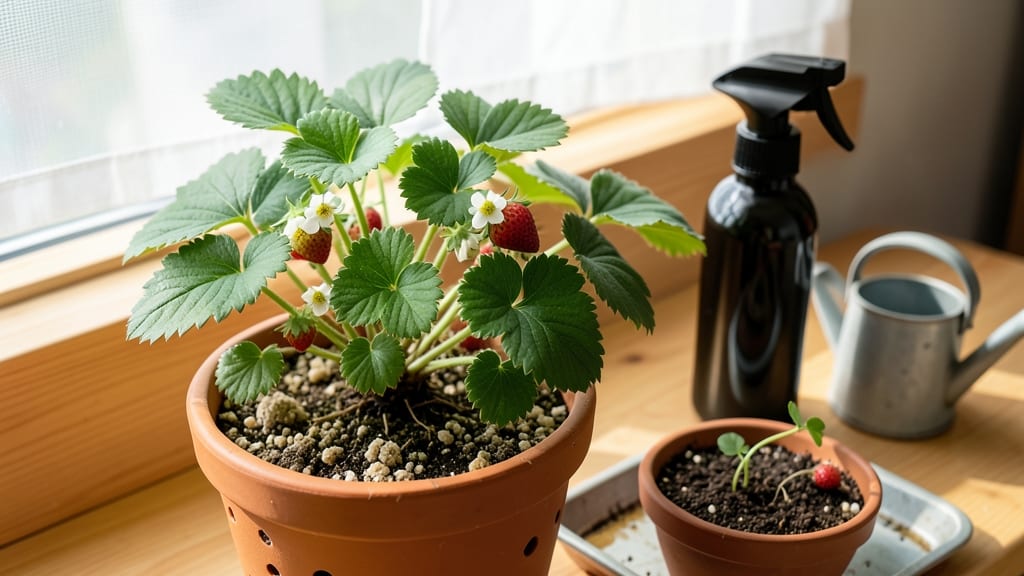
That single strawberry from your grocery bag could start a year-round harvest—but how to grow strawberries from a strawberry indoors is simpler than you’d think. 🌱 I’ve grown strawberries indoors from store-bought berries for three winters now, and the first sweet, ripe fruit always feels like a victory—especially when neighbors ask where I got them.
The secret isn’t fancy equipment—just a bright windowsill, a shallow container, and patience. You’ll need basic supplies: a plastic container with drainage holes, well-draining potting mix, and a spray bottle for gentle watering. No greenhouse or greenhouse skills required.
By late winter, you’ll be pinching off flowers to focus energy on root growth, then watching tiny green leaves unfurl like a living miracle. The first harvest arrives in 6-8 weeks, and each berry tastes sweeter than the last.
Works in apartments, offices, or sunrooms—anywhere with consistent light. Here’s how to turn that one strawberry into a thriving plant without killing it (learned that the hard way).
📚 In This Guide
- What you need
- Instructions
- Tips and common mistakes
- Wrapping up and next steps
What you need
- ● Strawberry plant: A healthy, disease-free strawberry (preferably with runners or a small pot of a young plant). Choose varieties like Alpine or Eversweet, which thrive indoors.
- ● Container: A pot with drainage holes, at least 6–12 inches deep and 12–18 inches wide (one plant per 6-inch pot or cluster plants in a larger container).
- ● Potting mix: 1–2 gallons of well-draining, sterile seed-starting mix or a blend of 50% peat moss, 30% perlite, and 20% compost.
- ● Drainage layer: 1–2 inches of small pebbles, gravel, or broken pottery pieces (to prevent root rot).
- ● Watering can or spray bottle: With a narrow spout for gentle watering (avoid soggy soil!).
- ○ Grow lights or sunny windowsill: LED grow lights (optional but ideal): 12–16 inches above plants, providing 12–16 hours of light daily (full-spectrum bulbs work best).
- ● OR a south-facing window with 6+ hours of direct sunlight (west or east-facing windows may work with supplemental light).
- ● Fertilizer: A balanced, water-soluble fertilizer (e.g., 10-10-10 or 5-5-5) or organic options like fish emulsion or compost tea.
- ● Scissors or pruners: For trimming runners or dead leaves (sterilize with rubbing alcohol!).
- ● Humidity tray: A shallow tray with pebbles and water to increase moisture (great for dry indoor air!).
- ● Thermometer/hygrometer: To monitor ideal temps (60–75°F) and humidity (40–70%).
- ● Plant supports: Small stakes or cages to prop up runners (if you plan to propagate!).
- ● Mulch: A thin layer of straw or shredded leaves to retain moisture and suppress weeds.
- ● Automatic timer: For grow lights (saves time and ensures consistency!).
Step-by-step instructions for growing strawberries indoors
Here’s how I turn a single strawberry into a thriving indoor plant ready for fruiting—no greenhouse needed.
🌱 Step 1: Root the Strawberry and Prepare the Container
Start with a fresh strawberry that still has its green leafy top attached. Remove any fruit from the stem and let the stem dry for about 1 hour to prevent rot. Place the stem in a small container filled with lukewarm water, ensuring only the bottom 1-2 inches are submerged. Change the water every 2-3 days to keep it fresh and oxygenated.
After 7-10 days, you’ll see tiny white roots sprouting from the stem. Once roots reach about 1 inch long, it’s time to plant. Use a 4-6 inch pot with drainage holes and fill it with a well-draining potting mix—I like a blend of 50% peat moss, 30% perlite, and 20% compost. Gently place the rooted stem into the soil, burying it up to the base of the leaves.
💧 Step 2: Provide Optimal Light and Watering
Strawberries need 6-8 hours of bright, indirect light daily to thrive. A south-facing window works, but if natural light is insufficient, supplement with a grow light placed 6-12 inches above the plant. Too little light causes leggy growth, while too much direct sun can scorch the leaves. Rotate the pot quarter-turn weekly to encourage even growth.
Water the soil when the top inch feels dry, but avoid soggy conditions—strawberries hate wet feet. Use room-temperature water and water at the base to prevent fungal issues. I’ve found that misting the leaves occasionally helps maintain humidity, especially in dry indoor environments.
☀️ Step 3: Fertilize and Encourage Fruit Production
Once your strawberry plant establishes 4-6 true leaves, it’s ready for a gentle balanced fertilizer (like a 10-10-10 mix) diluted to half-strength. Apply every 4-6 weeks during the growing season. Over-fertilizing leads to leafy growth at the expense of fruit, so moderation is key. I also pinch off the first few flowers that appear to redirect the plant’s energy into stronger root and leaf development.
To maximize fruiting, ensure the plant gets cool nights (around 55-65°F) and warm days (around 70-80°F). If your indoor space stays too warm, the plant may struggle to set fruit. A small fan on low setting can help simulate outdoor breezes, which also encourages pollination. If flowers appear but no fruit sets, gently shake the plant or use a small brush to mimic pollinators.
⏰ Step 4: Harvest and Maintain for Continuous Production
Strawberries are ready to harvest when they’re fully red and slightly soft to the touch. Use clean scissors to snip the stems, leaving a small portion attached to the plant. This encourages more fruit to develop. Harvest in the morning when the fruit is at its peak flavor and firmness. Regular harvesting keeps the plant productive and prevents overcrowding.
After the first harvest, prune any yellow or damaged leaves to redirect energy to new growth. If your plant becomes too leggy, trim back the longest stems to encourage bushier growth. With proper care, an indoor strawberry plant can produce fruit year-round, though yields may slow in winter. I’ve kept mine going for over a year with consistent care!
Tips & tricks for growing strawberries from a strawberry indoors
Small adjustments in technique can make all the difference when transforming a store-bought strawberry into a thriving indoor plant. Here's what I've learned from years of trial and error.
Rooting Success: For the 1-hour drying step, I recommend placing the stem on a paper towel rather than just leaving it exposed to air. This creates a more controlled environment that prevents bacterial growth while still allowing the cut end to dry properly. Once in water, position the container where it receives indirect light—direct sunlight can cause algae growth in the water, which may harm your developing roots.
Lighting Strategy: When supplementing with grow lights for those critical 6-8 hours of light, I've found that LED grow lights with a full spectrum (red and blue wavelengths) work best for strawberries. Position the light 6-8 inches above the plant initially, then adjust as it grows. Too close can scorch leaves, while too far reduces effectiveness. Monitor leaf color—yellowing indicates insufficient light, while crispy edges mean it's too intense.
Temperature Management: Maintaining the ideal 55-65°F nighttime temperatures indoors can be tricky. If your home stays warmer, consider placing the plant near a window with good airflow or use a small oscillating fan on low setting. The gentle breeze mimics outdoor conditions and actually helps prevent fungal diseases. I've also noticed that cooler nighttime temps encourage stronger root development, which translates to more robust plants overall.
Pruning Technique: When pinching off those first few flowers in Step 3, don't remove them completely—just the blossoms. This redirecting of energy to root and leaf growth is crucial, but leaving the flower stems intact prevents shocking the plant. After the first harvest, I recommend pruning leaves that touch the soil to prevent rot and improve airflow around the plant. This simple maintenance keeps your strawberry plant productive for months.
Pro Tips for Grow Strawberries From A Strawberry Indoors
- Small adjustments in technique can make all the difference when transforming a store-bought strawberry into a thriving indoor plant.
- Rooting Success: For the 1-hour drying step, I recommend placing the stem on a paper towel rather than just leaving it exposed to air.
- Lighting Strategy: When supplementing with grow lights for those critical 6-8 hours of light, I've found that LED grow lights with a full spectrum (red and blue wavelengths) work best for strawberries.
Frequently asked questions
Got questions about growing strawberries indoors? You're not alone! Here are some of the most common concerns—and straightforward answers—to help you succeed with your year-round harvest.
Can I grow strawberries indoors from any store-bought strawberry?
Not all store-bought strawberries work—look for organic, untreated berries with green leafy tops (like Albion or Seascape varieties). Avoid conventionally grown strawberries, which are often treated with growth inhibitors. Pro tip: Choose berries with plump, firm flesh and a few white roots forming at the base for the best chance of success!
How long does it take for indoor strawberries to produce fruit?
Patience is key! With proper care, you can expect to see first flowers in 3–6 months and fruit ready to harvest in 6–12 months. Dwarf varieties (like Mignonette) may fruit faster, while larger types take longer. Speed up the process with 12–16 hours of grow light daily and consistent warmth (65–75°F).
Why aren’t my strawberry plants flowering or fruiting indoors?
Indoor strawberries need three key triggers to fruit: light (12+ hours/day), cool nights (drop temps 10°F below daytime for 2 weeks), and pollination. Use a small handheld fan or gently shake flowers to mimic bees. If leaves are leggy or pale, boost light intensity. Bonus: Fertilize lightly with a balanced formula (10-10-10) every 4–6 weeks.
Do I need a greenhouse or special setup to grow strawberries indoors?
Nope! A sunny windowsill, grow lights, or a small indoor garden setup works perfectly. For best results, use a south-facing window (or supplement with LED grow lights) and a 5–10 gallon pot with drainage. A humidity tray (pebbles + water) helps in dry climates. Pro move: Rotate pots weekly for even light exposure!
Can I grow strawberries indoors year-round, or do they need a "rest" period?
Yes, but they thrive best with a short "rest" in winter (reduce water slightly, trim dead leaves). After harvest, let plants recover for 2–3 months before pruning and fertilizing for the next cycle. Ever-bearing varieties (like Ozark Beauty) produce two harvests per year with proper care. No rest? They’ll keep trying—but yield may drop. Balance is key!
Wrapping up and next steps
Growing strawberries from a single strawberry indoors is a rewarding way to enjoy fresh, sweet fruit year-round—no matter your space! With the right container, soil, and care, you’ll soon have lush plants ready to produce berries. Start small, stay patient, and watch your green thumb flourish!
Ready to take the next step? Try experimenting with different varieties or even share your harvest with friends! 🌱✨