
How To
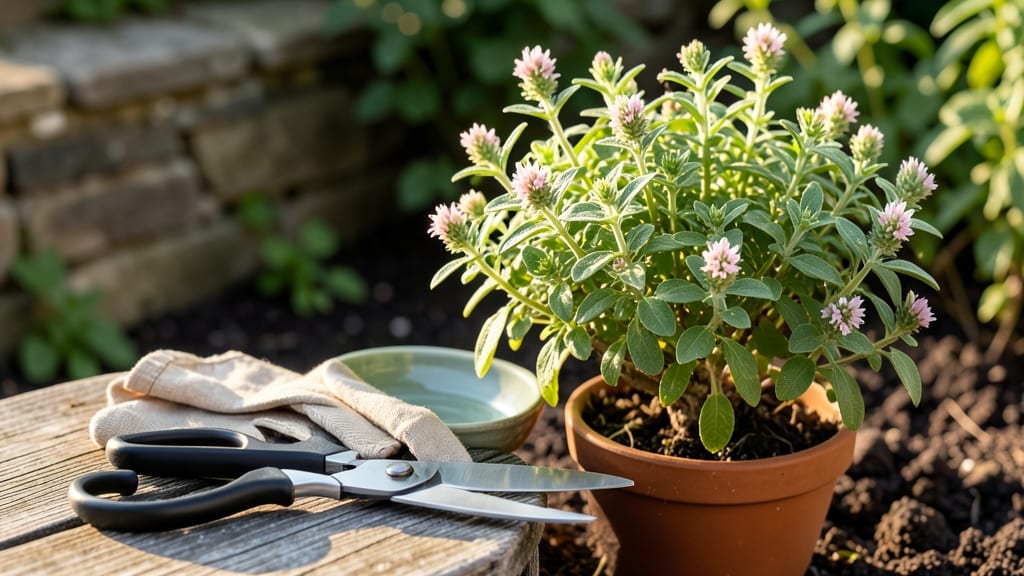
There’s nothing quite like the bold, earthy flavor of how to harvest fresh oregano—but timing and technique make all the difference. Snip too early, and you’ll get weak, bitter leaves; wait too long, and the plant loses its potency.
The secret to unlocking that vibrant, aromatic harvest lies in knowing exactly when to trim, how to do it right, and how to store it for maximum freshness.
If you’ve ever wondered why your homegrown 🌿 oregano tastes lackluster or why your plants struggle to thrive, the answer might be simpler than you think. This isn’t just about grabbing a pair of scissors and cutting willy-nilly—it’s about working with your plant’s natural growth cycle.
I’ll walk you through the best times to harvest (hint: morning is key), the right tools to use, and even how to revive wilted stems so you never waste a single leaf.
Whether you’re growing oregano in pots on your windowsill or in a sunny garden bed, mastering these techniques will transform your cooking—and your herb garden.
From pruning for bushier growth to preserving flavor through drying or freezing, you’ll learn everything you need to keep your oregano tasting fresh all season long.
Ready to elevate your herbs from store-bought mediocrity to homegrown excellence? Let’s dive into the step-by-step guide that’ll have you harvesting like a pro in no time.
When and how to harvest oregano for peak flavor and plant health
Harvesting fresh oregano at the right time ensures the boldest flavor and encourages your plant to grow bushier and healthier. The key is timing—wait until your oregano has reached at least 6 inches tall and has fully developed leaves that are dark green and fragrant.
This usually happens 60-90 days after planting, depending on your climate and growing conditions.
Morning is the best time to harvest because the oil content in leaves is highest after a night of moisture absorption. Avoid harvesting after rain or in the evening, as humidity can cause the leaves to wilt faster.
If you must harvest in the afternoon, do it 2-3 hours before sunset to allow the leaves to dry slightly.
Look for woody stems with multiple leaf nodes. These are your harvesting cues—cutting above a leaf node encourages new growth from that spot. If you see flower buds forming, harvest immediately, as the flavor intensifies just before blooming but diminishes once flowers open.
| Stage | Action | Notes |
|---|---|---|
| Early Growth (0-60 days) | Avoid harvesting | Plant is establishing roots; leaves are small and sparse |
| Mature Growth (60-90 days) | Harvest upper stems (30-50%) | Leaves fully developed; stems slightly woody |
| Pre-Flowering (90-120 days) | Harvest entire stems near base | Flavor peaks just before buds open |
| Post-Flowering | Prune spent flowers only | Flavor declines; focus on regrowth |
Never harvest more than one-third of the plant at a time, or you’ll stress the oregano and reduce future yields. For container-grown oregano, this means cutting back 3-4 stems per harvest.
If you’re growing oregano in the ground, you can harvest more aggressively but still leave enough foliage for photosynthesis.
Use clean, sharp scissors or pruning shears to make clean cuts just above a leaf node. Avoid tearing leaves, as this can damage the plant and make it more susceptible to pests and diseases.
If you’re harvesting for drying, bundle stems together with a rubber band before hanging upside down in a dry, dark place.
One common mistake is harvesting randomly without considering the plant’s growth pattern. Always cut above a leaf node to encourage new shoots to grow from that spot.
Another mistake is harvesting too late in the season, especially in Zone 6a or colder, where frost can damage the plant before you’ve harvested enough.
After harvesting, rinse the leaves briefly under cool water to remove dirt or pests, then pat them dry with a paper towel. Store fresh oregano in the fridge for up to 1 week by wrapping stems in a damp paper towel and placing them in a plastic bag.
For long-term storage, drying or freezing is your best bet to preserve that garden-fresh flavor.
If your oregano looks leggy or sparse after harvesting, it’s a sign you’ve been cutting too much. Give it a light fertilizer with a 5-10-10 NPK ratio and ensure it’s getting 6+ hours of sunlight daily to encourage bushier growth.
With the right care, your oregano will reward you with abundant harvests for years to come.
Pro tip: Label your oregano plants if you’re growing multiple varieties, like Greek oregano (more peppery) or Italian oregano (milder). Each has slightly different harvesting and flavor profiles, so knowing what you’re growing helps you time harvests perfectly.
Essential tools and Step-by-Step harvesting process for oregano
Harvesting oregano correctly ensures bold flavor and encourages bushier growth. Start by gathering sharp pruning shears or kitchen scissors—dull blades crush stems, reducing potency. I always clean my tools with rubbing alcohol before cutting to prevent disease spread.
Avoid harvesting when leaves are wet, as moisture can promote fungal growth.
Choose a sunny morning for harvesting, when essential oils are at their peak. Look for stems with 4-6 fully developed leaves—these are ideal for cutting. Never take more than one-third of the plant at once, or you’ll stress the oregano and reduce future yields.
For container-grown plants, focus on outer stems first to encourage inner growth.
🌿 Step-by-Step Oregano Harvesting Process
- 🪒 Step 1: Select stems with 4-6 leaves and a slight woody texture
- ✂️ Step 2: Cut just above a leaf node (where leaves meet the stem) at a 45-degree angle
- 🌱 Step 3: Harvest only outer stems first to encourage bushier growth
- 💧 Step 4: Water plants immediately after harvesting to reduce stress
- 🌞 Step 5: Repeat harvests every 4-6 weeks during growing season
After harvesting, rinse stems briefly under cool water to remove dirt, then pat dry with a clean towel. Bundle stems together with a rubber band and hang them upside down in a dark, well-ventilated area for drying.
This method preserves 80% of essential oils compared to washing leaves post-harvest. For immediate use, store harvested oregano in an airtight container in the fridge for up to 1 week.
One common mistake is over-harvesting in early spring when plants are still establishing roots. Always prioritize plant health over quantity—your oregano will reward you with years of abundant growth if treated gently. I’ve seen oregano plants thrive for 10+ years with proper care, producing fresh harvests annually.
For container-grown oregano, rotate pots occasionally to ensure even sunlight exposure. This prevents lopsided growth and ensures consistent flavor across all stems. If you notice yellowing leaves, reduce watering immediately—oregano prefers dry soil and overwatering is a common killer of these hardy herbs.
Remember, harvesting frequency directly impacts flavor. Regular pruning encourages new growth with higher essential oil concentrations. My golden rule: never let oregano flower if you want peak flavor—those blooms signal it’s time to trim back aggressively and redirect energy to leaf production.