
How To
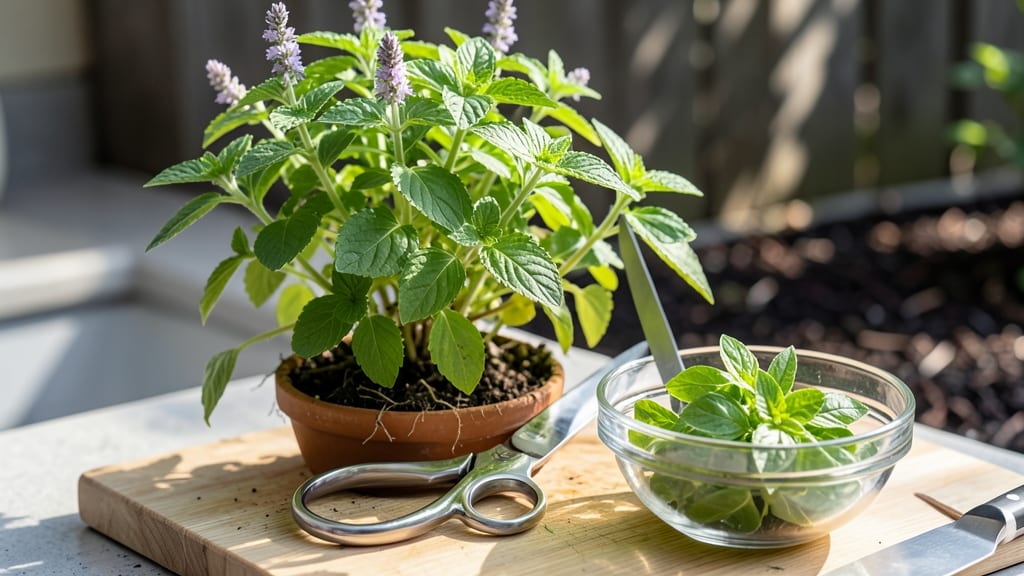
Harvesting lemon basil at the right time transforms your garden from a simple herb patch into a flavor powerhouse—but timing and technique make all the difference.
If you’ve ever watched your vibrant 🍋 lemon basil suddenly bolt into flower stems, you know how quickly a missed harvest can turn a kitchen staple into a bitter disappointment.
The key to continuous growth lies in the pinch-and-snip method, a simple yet game-changing technique that keeps your plant lush and productive from June through October.
Whether you’re a seasoned gardener or just starting in USDA Zone 6a, mastering this approach ensures you’ll always have fresh, fragrant leaves ready for pesto, teas, or salads.
In this guide, I’ll walk you through exactly when to harvest (before those flower buds appear!), how to prune for maximum yield, and even how to store your bounty so it stays fresh longer. No more wasted plants—just a steady supply of that bright, citrusy goodness you crave.
Let’s dive into the step-by-step secrets that’ll keep your lemon basil thriving all season long, so you never have to wonder where your next harvest is coming from.
When and how to pinch lemon basil for maximum yield
Lemon basil thrives when you pinch it early—this simple technique prevents leggy stems and encourages bushier growth. The best time to start is 6-8 weeks after planting, when your plant reaches 6-8 inches tall.
Look for dark green, glossy leaves and sturdy stems—these are your cues that the plant is ready for its first pinch.
Use your thumb and forefinger to gently pinch off the top set of leaves just above a leaf node (where leaves meet the stem). This encourages side shoots to grow, creating a fuller plant. Avoid cutting the main stem—pinching is gentler and promotes more branches over time.
For continuous harvests, repeat the pinch every 2-4 weeks throughout the growing season. This keeps your lemon basil productive and prevents it from bolting (flowering too soon). If you notice flower buds, pinch them off immediately—they signal the end of the plant’s prime flavor window.
Step-by-Step Pinching Guide
- 🌱 Wait 6-8 weeks after planting until the plant reaches 6-8 inches tall.
- 👆 Identify the top set of leaves and locate the leaf node below them.
- ✂️ Pinch off the top leaves just above the node using your fingers.
- 🌿 Repeat every 2-4 weeks to encourage new side shoots.
- 🚫 Avoid flower buds—pinch them off immediately to preserve flavor.
💡 Pro Tip: Pinch in the morning for faster healing and less stress on the plant.
If your lemon basil is growing in a container, pinch the outer stems first to open up the plant’s center for better airflow. This reduces the risk of fungal diseases and ensures all leaves get even sunlight.
For outdoor plants, focus on the tallest stems to maintain a balanced shape.
Over-pinching can stress your plant, so limit yourself to 1-2 pinches per session. If you’re unsure, err on the side of less aggressive pruning—lemon basil is resilient and will bounce back with proper care. Always use clean, sharp tools (or your fingers) to avoid damaging the stems.
After pinching, water your plant deeply to help it recover. Lemon basil loves consistent moisture, especially during hot summer months. Mulch around the base to retain soil moisture and keep roots cool. With the right pinch-and-snip routine, your lemon basil will stay lush, flavorful, and productive for months.
One common mistake is pinching too late in the season. Once your lemon basil starts flowering, its flavor weakens, and the plant shifts energy to seed production.
To extend your harvest window, keep pinching until the first frost—just 6-8 weeks before the average frost date in your area.
For container growers, pinching also helps control plant size, making lemon basil ideal for windowsill gardens or balcony pots. Just ensure your container has drainage holes and well-draining soil to prevent root rot.
With the right technique, you’ll enjoy fresh lemon basil straight from your garden all season long.
🌿
Snipping lemon basil leaves: best practices for flavor and growth
Once your lemon basil reaches 6-8 inches tall, it’s time to start harvesting—but not all snips are created equal. Cutting too much at once or harvesting at the wrong time can weaken your plant and dull its signature citrusy flavor.
The key is to balance your harvest with your plant’s needs to keep it thriving and productive all season.
For the best results, always harvest in the morning after dew dries but before the midday heat. This ensures the leaves are hydrated and packed with the most aromatic oils.
Avoid harvesting after rain or late in the day, as moisture can lead to fungal issues or a bitter taste in your basil.
🌿
✂️ Harvesting Lemon Basil: Pros & Cons
- 🍃 Snip stems just above a leaf node (where leaves grow)
- 🌿 Harvest regularly (every 2-4 weeks) to encourage bushiness
- ☀️ Use sharp scissors or clean pruners to avoid crushing stems
- 💧 Water deeply after harvesting to reduce stress
- ❌ Cut flower buds—they signal the end of flavorful growth
- ❌ Over-harvest more than 1/3 of the plant at once
- ❌ Use dull tools that tear leaves instead of cleanly cutting
- ❌ Harvest wilted or yellowing leaves—they’re past their prime
When harvesting, decide whether you want individual leaves or whole stems. For cooking, whole stems (about 4-6 inches long) are ideal because they stay fresh longer and are easier to strip.
To harvest a stem, use clean pruning shears or your fingers to pinch just above a leaf node. This encourages new growth from that spot, creating a bushier plant.
If you only need a few leaves, avoid stripping them from the stem—this can damage the plant. Instead, pinch off entire leaves at their base, leaving the stem intact. This method is gentler and still stimulates growth, though it may take slightly longer to regenerate.
After harvesting, store your lemon basil properly to preserve its bright flavor. For short-term use (up to a week), wrap stems in a damp paper towel and place them in a sealed plastic bag in the fridge.
For long-term storage, air-dry the stems upside down in a warm, dark place for 1-2 weeks, then strip and store the dried leaves in an airtight container.
🌱