
Picking
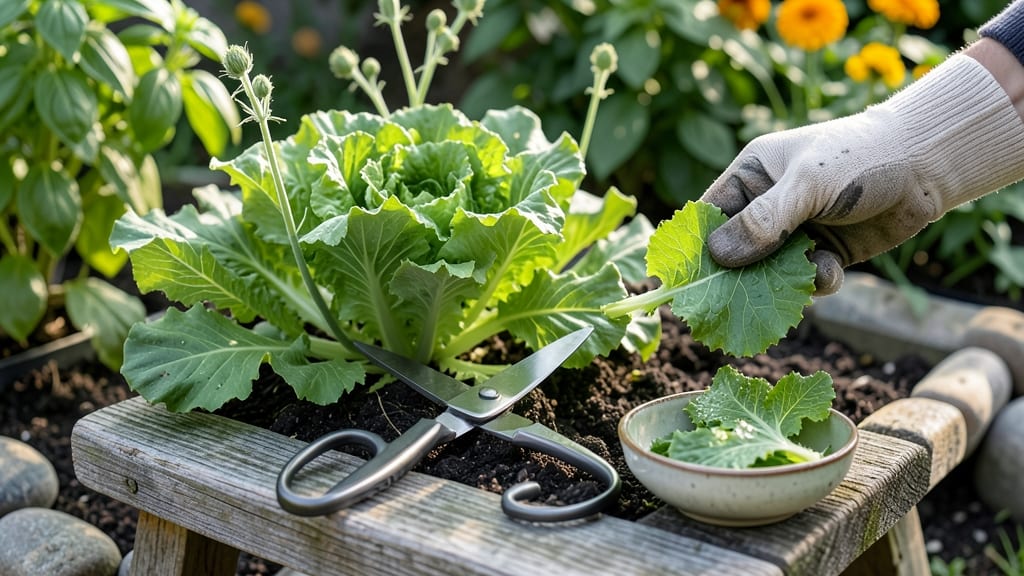
Harvesting lettuce without killing the plant feels like magic—until you try it. 🌱 The cut-and-come-again method turns a single head into a never-ending salad supply, but timing and technique make all the difference. One wrong cut and you’re staring at a sad, stunted plant instead of fresh greens for weeks.
You’ll need sharp scissors or clean pruners (never tear leaves—it stresses the plant), a sunny spot, and patience. The key is cutting just above the lowest set of leaves, leaving at least 2 inches of growth.
This ensures the plant has enough energy to regrow while you still get tender leaves. Most varieties bounce back in 10-14 days if you do it right.
After harvesting, water gently at the base to encourage regrowth and avoid disturbing the roots. A light layer of mulch keeps moisture in and weeds out, so the plant focuses on producing more leaves instead of fighting for survival.
The first few harvests might be smaller, but once you hit your rhythm, you’ll have fresh greens for months—not just weeks.
Skip the common mistakes: cutting too low (bye-bye, regrowth), harvesting in extreme heat (lettuce bolts faster), or ignoring pests (aphids love stressed plants). With this method, you’ll enjoy crisp, homegrown lettuce straight from your garden, not the wilted bags at the store. Ready to try?
📚 In This Guide
- What you need
- Instructions
- Tips and common mistakes
- Wrapping up and next steps
What you need
- ● Sharp scissors or pruning shears – A clean, sterilized pair (alcohol wipe works) to avoid disease. Look for bypass-style shears (like Felco or Fiskars) for precision cuts.
- ○ Gloves (optional but recommended) – Lightweight gardening gloves to protect your hands from dirt and prickly stems.
- ● Watering can or hose with a gentle spray nozzle – For post-harvest hydration. A 1-gallon capacity is ideal for small patches.
- ● Container or basket – A shallow, breathable bin (like a colander or woven basket) to hold harvested leaves without crushing them.
- ● Label or marker (if needed) – To note harvest dates or varieties if you’re experimenting with multiple types.
- ● Mature lettuce plants – Harvest when leaves are 4–6 inches tall and outer leaves are fully formed (usually 4–8 weeks after planting, depending on variety).
- ● Morning sunlight – Harvest in the early morning when leaves are crisp and hydrated (avoid wilting!).
- ● Well-drained soil – Ensure your plants have been watered 12–24 hours before harvesting to prevent stress.
- ● Clear weather – Avoid harvesting after rain or in extreme heat to preserve leaf quality.
- ● Compost bin – For trimmings or damaged leaves (they’ll break down quickly!).
- ● Food-safe spray bottle – A 1:9 vinegar-water mix to clean tools between cuts (if switching varieties).
- ● Grow lights (indoor setups) – If harvesting indoors, ensure 12–14 hours of light daily to maintain growth.
- ● Harvest journal – Track growth patterns, harvest dates, and plant responses to your methods!
Step-by-Step instructions for harvesting lettuce without killing the plant
Here's how I keep my lettuce thriving through multiple harvests—no sad, wilted leaves in sight.
🌱 Step 1: Wait Until Lettuce Reaches the Right Size
Harvest when the outer leaves reach 3-4 inches long—this is the sweet spot for both flavor and plant health. You'll notice the leaves will be firm and crisp, not floppy or overly tender. If you wait too long, the center will bolt (send up a flower stalk), and the lettuce becomes bitter.
I like to check my lettuce every 2-3 days starting when the first true leaves appear. The outer leaves should be large enough to pinch but still have vibrant color—not yellowing or brown at the edges. This timing ensures the plant has enough energy to regrow after harvesting.
✂️ Step 2: Use the Right Tools and Technique
Grab a pair of clean, sharp scissors or pruning shears—never tear leaves by hand. Dull tools crush stems and invite rot. I like to use small kitchen scissors because they give me precise control. Hold the tool at a 45-degree angle and cut just above a leaf node (the small bump where leaves grow out).
Don't cut too close to the base—leave at least ½ inch of stem attached. This ensures the plant can regenerate new growth from that node. If you cut too low, you risk damaging the growing point and stunting future harvests.
🌿 Step 3: Harvest Outer Leaves Only
Always harvest the outer leaves first, working your way inward like peeling an onion. These mature leaves have already done their job, and removing them encourages the younger, inner leaves to grow bigger and stronger. You'll see the plant's growth pattern shift toward the center as you consistently harvest this way.
Leave the innermost 3-4 leaves intact—they're still growing and will form the next round of harvestable leaves. If you take too many at once, the plant gets stressed and may bolt or produce bitter-tasting leaves. Think of it like trimming your hair: you want to shape it, not shave it all off.
💧 Step 4: Water and Fertilize After Harvesting
After harvesting, water the lettuce deeply to replenish moisture lost during cutting. The soil should be damp 1 inch down—stick your finger in to check. Lettuce has shallow roots, so consistent moisture keeps it happy. I like to water in the morning so any excess moisture evaporates by evening, reducing disease risk.
Give the plant a light feeding with a balanced liquid fertilizer (like 10-10-10) diluted to half strength. This gives it a quick boost to recover and regrow. I skip fertilizer if the soil is fresh and nutrient-rich, but after multiple harvests, the plant will show signs of needing a boost—yellowing leaves or slow growth.
☀️ Step 5: Monitor Light and Adjust as Needed
Lettuce needs 4-6 hours of sunlight daily, but too much direct sun causes bolting. If your lettuce starts sending up flower stalks, it's getting too hot or too much light. Move it to a spot with partial shade (like under a sheer curtain or dappled sunlight). You'll notice the leaves will stay tender and sweet instead of bitter.
If you're growing in containers, rotate the pot a quarter turn every few days so the plant grows evenly toward the light. Uneven growth means one side gets leggy while the other stays compact. A well-lit lettuce plant will have dark green, crisp leaves and a bushy growth habit.
Tips & tricks for perfect lettuce harvesting
These simple strategies will help you keep your lettuce producing fresh leaves for weeks—without sacrificing the plant's health.
Timing is Everything: The 2-3 day check interval between harvests is key. Lettuce grows surprisingly fast, and waiting too long means you'll miss the sweet spot for tender, flavorful leaves. I've found that harvesting in the morning gives you the freshest leaves since they've had the whole night to recover from any heat stress. If you're harvesting later in the day, do a quick taste test—if the leaves taste slightly bitter, they've waited too long.
Tool Precision Pays Off: That 45-degree angle in Step 2 isn't just arbitrary—it creates a clean cut that heals faster and looks more professional. I've ruined several lettuce plants by cutting too close to the base, so I always use my finger to measure that ½ inch of stem left behind. A dull pair of scissors will crush the stem, inviting rot, so I keep a small pair just for gardening that I sharpen regularly.
The Inner Leaf Strategy: Leaving those innermost 3-4 leaves intact creates a natural buffer zone that protects the plant's growing point. Think of it like saving the best for last—those inner leaves will become your next harvest while the outer leaves you remove today serve as a protective shield. This method has kept my lettuce producing for nearly three months straight, with bigger and more flavorful leaves each time.
Light Management Matters: That 4-6 hour sunlight window is crucial, but many people overlook how to adjust when conditions change. If your lettuce starts bolting (sending up flower stalks), it's getting too much direct sun. I've learned to watch for this in late spring when days get longer—moving the plant to partial shade can save your harvest. For container growers, that quarter turn rotation every few days prevents uneven growth that makes plants look lopsided and weak.
Pro Tips for Harvest Lettuce Without Killing The Plant
- These simple strategies will help you keep your lettuce producing fresh leaves for weeks—without sacrificing the plant's health.
- Timing is Everything: The 2-3 day check interval between harvests is key.
- Tool Precision Pays Off: That 45-degree angle in Step 2 isn't just arbitrary—it creates a clean cut that heals faster and looks more professional.
Frequently asked questions
Got questions about harvesting lettuce the right way? You’re not alone—growing and picking leafy greens can feel tricky at first! Here are answers to the most common concerns to help you keep your lettuce thriving while enjoying a steady harvest.
How do I know when my lettuce is ready to harvest?
Lettuce is ready when the outer leaves reach 4–6 inches tall and feel firm but tender. Avoid waiting until the whole head bolts (goes to seed)—this makes leaves bitter. For loose-leaf varieties, you can start picking as soon as the first few leaves are big enough to eat!
Can I cut lettuce at the base, or should I pull leaves?
Always trim leaves at the base with clean scissors or shears—never pull the whole plant! Cut just above the soil line (about ¼ inch up) to encourage regrowth. For heart-shaped heads, leave the center intact and harvest outer leaves first to avoid damaging the core.
What’s the best time of day to harvest lettuce?
Harvest in the morning when leaves are crisp and hydrated. Avoid picking during heatwaves or after rain—wet leaves can develop fungal issues. If you must harvest later, trim leaves early and store them in the fridge to maintain freshness.
Will my lettuce keep growing after I harvest it?
Yes! With proper care, lettuce can regrow for 4–6 weeks after harvest. Keep soil moist, fertilize lightly (with compost or balanced fertilizer), and protect from extreme heat. If growth slows, trim less aggressively or consider succession planting for a continuous supply.
My lettuce is bolting—what went wrong?
Bolting (sending up a flower stalk) usually happens due to heat stress, age, or drought. To prevent it, harvest young leaves promptly, provide shade during hot days, and ensure consistent watering. For varieties prone to bolting (like romaine), opt for slower-maturing types like buttercrunch or oakleaf.
Wrapping up and next steps
Harvesting lettuce the right way is all about patience and precision—you’ll enjoy fresh, crisp greens for weeks without sacrificing your plant’s health! 🌱 By using clean tools, trimming strategically, and giving your lettuce the care it needs, you’re setting yourself up for a thriving garden.
Now that you’re armed with these tips, why not share your newfound skills? Invite a friend to join you in the garden, or experiment with growing other leafy greens like spinach or kale—your green thumb is just getting started!