
Companion Plants
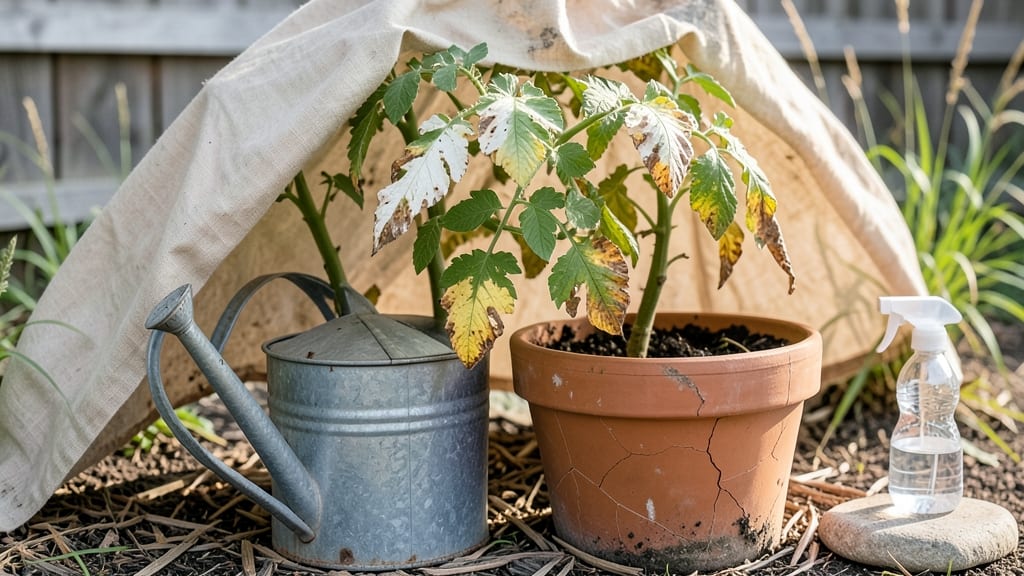
Your plants are screaming for help—those crispy white patches aren’t just ugly, they’re a how to heal the sunburned plants emergency. 🌿 I’ve nursed back everything from tomato leaves to succulent skin with this simple revival trick that works even on stubborn damage.
The key? Cooling stressed leaves without shocking the roots further.
Start by moving plants to 50% shade immediately—no more harsh afternoon sun. A fine mist of water (early morning or late evening) cools leaves while preventing further damage. For severe cases, a lightweight row cover or even a sheer curtain draped over the plant acts like a sunblock.
Think of it as plant SPF 50—gentle but effective.
Within 3-5 days, you’ll see new growth pushing through as the plant redirects energy from repair. Prune any irreversibly damaged leaves (they’ll never recover), and boost soil moisture with a thick layer of mulch to lock in hydration.
Tomatoes and peppers bounce back fastest, while succulents may need extra patience—some scars fade, others stay as reminders of their close call.
Prevention is easier: harden off new transplants over 7-10 days, and space plants to avoid crowding (shady neighbors = sunburn risk). If leaves turn black or mushy, though, it’s time to consult a local nursery—some damage crosses into "too late" territory. Your plants will thank you for the rescue.
📚 In This Guide
- What you need
- Instructions
- Tips and common mistakes
- Wrapping up and next steps
What you need
- ● Misting bottle or spray nozzle: A 16–32 oz bottle with a fine-mist setting (e.g., a simple plastic spray bottle or a reusable glass sprayer for eco-friendly options).
- ● Cool water: Lukewarm or room-temperature water (avoid ice-cold water—it can shock plants!). Use rainwater or distilled water if your tap water is chlorinated or hard.
- ● Lightweight fabric or towel: A soft, dry cloth (like an old t-shirt or microfiber towel) to gently pat leaves dry after misting.
- ● Pruning shears or scissors: Sterilized, sharp scissors (small garden shears or clean kitchen scissors) to trim severely damaged leaves.
- ○ Plant-safe sunscreen (optional but helpful): A lightweight, organic sunscreen spray (like neem oil or diluted aloe vera gel) for extra protection during recovery.
- ● Fan or dehumidifier: A small USB fan or portable dehumidifier to improve airflow around plants while they heal.
- ● Shade cloth or sheer curtain: A lightweight shade fabric (30–50% block) or a white bedsheet to filter harsh sunlight temporarily.
- ● Plant food or compost tea: A balanced liquid fertilizer (e.g., fish emulsion) or homemade compost tea to boost recovery post-treatment.
- ● Humidity tray: A shallow tray filled with pebbles and water to increase moisture levels for sensitive plants.
Step-by-Step instructions for reviving sun-stressed plants
Here’s how I nurse scorched foliage back to health—no harsh chemicals, just gentle recovery techniques.
💧 Step 1: Provide Immediate Shade Relief
Move the plant to partial shade immediately—direct sun will only worsen the damage. I use a lightweight shade cloth (30-50% block) draped loosely over the plant, securing it with stakes so it doesn’t touch the leaves. If you don’t have cloth, a sheer curtain or even a white bedsheet works in a pinch.
Watch for wilted or crispy edges—these are the first signs of severe stress. The goal here is to stop further damage while giving the plant time to recover. Avoid moving the plant again for at least 24 hours after shading, as extra stress slows healing.
🌿 Step 2: Apply Cool Mist Therapy
Fill a spray bottle with room-temperature water and mist the affected leaves gently but thoroughly every 2-3 hours during the day. Focus on the undersides of leaves where transpiration is highest—this mimics natural dew and prevents further dehydration. Avoid soaking the soil; we’re targeting the foliage only.
You’ll notice the leaves soften within hours—this is the mist working. If the leaves feel dry or papery to the touch, keep misting. For severely burned plants, I even drape a damp towel over the top for 30 minutes at a time to boost humidity without smothering the plant.
✂️ Step 3: Trim Damaged Tissue Carefully
After 48 hours of recovery, inspect the plant and snip only the most severely damaged areas with sterilized pruning shears. Cut just above a healthy leaf node or where the leaf meets the stem—never leave stubs, as they invite disease. Dispose of the clippings immediately to prevent reinfection.
Here’s the thing—don’t over-prune. Even if half the leaf is brown, leave it if the center is still green. The plant will absorb nutrients from the healthy tissue to fuel recovery. You’ll know you’ve done enough when the remaining leaves look firm and pliable, not brittle.
🪴 Step 4: Adjust Watering and Fertilizer Routine
Water the plant deeply but infrequently—once every 5-7 days—to encourage strong root growth. Use lukewarm water and water at the base of the plant in the early morning to reduce evaporation. Avoid wetting the leaves, as this can trap heat and slow recovery.
Hold off on fertilizing for at least 2 weeks. Sunburned plants need to focus on repairing tissue, not producing new growth. If you must feed, use a diluted seaweed extract (1/4 strength) to provide gentle nutrients without shocking the plant.
☀️ Step 5: Gradually Reintroduce Sunlight
After 7-10 days of shade, begin acclimating the plant to sunlight by moving it to a slightly sunnier spot for 1-2 hours daily. Increase exposure by 1 hour every 2 days until it’s back in its original light conditions. This prevents sunburn shock, where the plant reacts poorly to sudden light changes.
You’ll see progress when new growth emerges—bright green, crisp leaves signal the plant is healing. If you notice yellowing between veins, the plant is still stressed and needs more time in shade. Patience here is key; rushing the process can set recovery back weeks.
Tips & tricks for perfect plant recovery from sunburn
These targeted strategies will help you maximize your plant's healing while avoiding common pitfalls that slow recovery.
Shade Material Matters: For Step 1, avoid dark or heavy fabrics—they trap heat and defeat the purpose. Opt for white or light-colored materials (like a white bedsheet) that reflect sunlight rather than absorb it. If using shade cloth, choose 30-50% blockage to filter UV while allowing some light for photosynthesis. I've seen plants recover faster with proper shade material than with inadequate coverage.
Mist Timing Strategy: In Step 2, the 2-3 hour interval between mistings is perfect for maintaining humidity without promoting fungal growth. For plants with large, waxy leaves (like succulents), reduce to every 3-4 hours—they absorb moisture differently. Always mist in the early morning or late afternoon to prevent rapid evaporation from midday heat.
Pruning Precision: When you reach Step 3 after 48 hours, use a sharp, sterilized tool to make clean cuts. If you're unsure where to trim, look for green veins or healthy tissue—cut just above these areas. For delicate plants, consider using scissors instead of pruning shears to avoid crushing stems. The goal is to remove only what's clearly damaged while preserving as much healthy foliage as possible.
Watering Wisdom: The 5-7 day watering interval in Step 4 might seem long, but it's crucial for root recovery. If your plant shows signs of wilting during this period, water lightly at the base—just enough to moisten the soil without over-saturating. Overwatering at this stage can lead to root rot, which defeats the purpose of healing sunburned leaves. A simple finger test (inserting your finger 1 inch into the soil) helps determine if it's truly time to water.
Pro Tips for Heal Sunburned Plants
- These targeted strategies will help you maximize your plant's healing while avoiding common pitfalls that slow recovery.
- Shade Material Matters: For Step 1, avoid dark or heavy fabrics—they trap heat and defeat the purpose. Opt for white ...
- Mist Timing Strategy: In Step 2, the 2-3 hour interval between mistings is perfect for maintaining humidity without p...
Frequently asked questions
Got questions about reviving your sun-kissed (or sun-scalded) plants? Here are some common concerns—and quick fixes!
How soon after sunburn should I treat my plants?
Act fast! Treat sunburned plants within 24 hours for the best results. The sooner you provide hydration and shade, the faster they’ll recover. Wait too long, and damage (like crispy leaves or dead tissue) may become permanent.
Can I use ice cubes or cold water to heal sunburned plants?
Nope—never use ice or freezing water! Sudden temperature shocks can stress plants further. Instead, opt for room-temperature or lukewarm water (like a cool shower) to avoid thermal shock while hydrating damaged foliage.
How long until my plants look normal again?
Recovery time varies! Mild sunburn may heal in 3–7 days with proper care, while severe cases could take 2–4 weeks. Keep an eye on new growth—healthy leaves signal success! Patience is key.
What if my plant’s leaves turn black or mushy after treatment?
Black or mushy leaves mean the damage is too advanced for recovery. Prune affected areas cleanly with sterilized scissors to prevent rot. Focus care on healthy stems
Start with gradual sun exposure (acclimate plants to sunlight over 1–2 weeks). Use shade cloth (30–50%) for sensitive species, water deeply in the morning, and avoid midday sun. Mulch also helps regulate soil temperature! How can I prevent sunburn in the future?
Wrapping up and next steps
Healing sunburned plants is all about patience, gentle care, and quick action—your green friends will thank you! 🌿 With the right mix of shade, hydration, and recovery techniques, you’ll see those leaves bounce back in no time.
Remember, prevention (like gradual sun exposure) is the best cure, but even damaged plants can thrive with love.
Now that you’re armed with the know-how, take that next step: check your garden today! Give your sunburned plants a cool mist, trim any hopeless leaves, and watch them flourish. Your green thumb is stronger than you think! 🌱✨