
Size
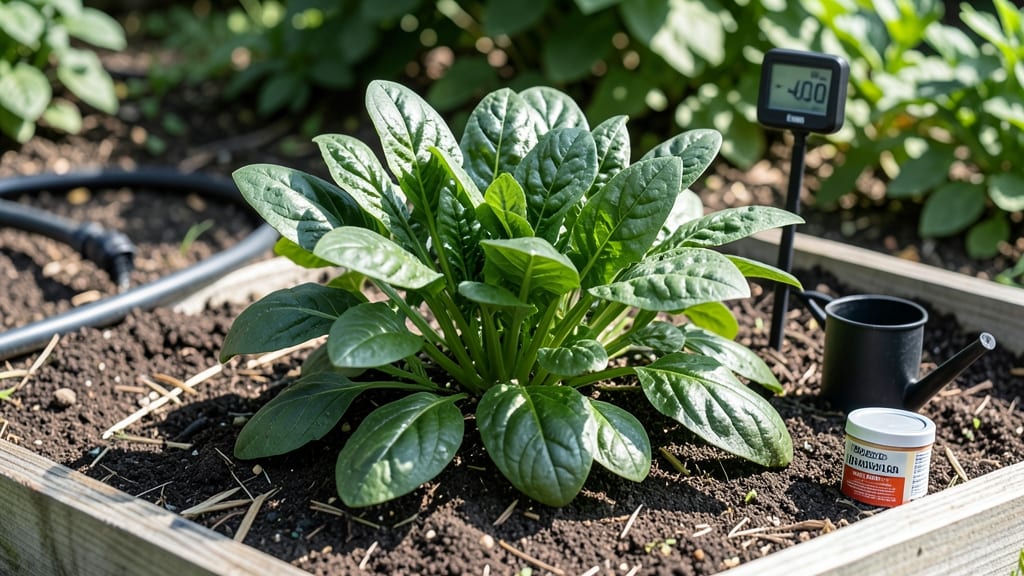
How to help spinach grow—it’s all about giving it the right conditions: cool weather, rich soil, and just enough sunlight. 🌱 I’ve grown spinach for years, and the difference between wilted leaves and lush, tender harvests comes down to three key factors: soil prep, sunlight balance, and proper spacing. Skip any of these, and you’ll end up with bitter, slow-growing plants instead of the sweet, fast-growing greens you crave.
The secret isn’t complicated—spinach loves partial shade, especially in hot climates, and well-draining, nitrogen-rich soil. A simple mix of compost and aged manure works wonders, and planting in cool-season windows (spring or fall) means fewer pests and faster growth.
Even in small spaces, you can squeeze in 3-4 plants per square foot—just don’t crowd them, or they’ll compete for nutrients.
By the time you’re harvesting, you’ll notice bright green, crisp leaves pulling easily from the soil. The trick is consistent moisture—1 inch of water per week—and a light fertilizer boost every few weeks.
And yes, it does grow back after cutting, so you’ll get multiple harvests from a single planting.
This method works for containers, raised beds, or in-ground plots, and even beginners see results in 4-6 weeks. The only real mistake? Waiting until summer to plant—spinach bolts (goes to seed) fast in heat. Let’s get those seeds in the ground before it’s too late.
📚 In This Guide
- What you need
- Instructions
- Tips and common mistakes
- Wrapping up and next steps
What you need
- ● Spinach Seeds: Choose cold-hardy varieties like 'Baby’s Leaf Hybrid' or 'Tyee' (0.5–1 oz per 10 sq ft).
- ● Growing Space: Direct sunlight: 4–6 hours/day (partial shade in hot climates).
- ● Container: 12+ inches deep (with drainage holes) or in-ground bed.
- ● Well-Draining Soil: Mix 1 part compost with 2 parts garden soil (pH 6.5–7.0).
- ● Water: 1–1.5 inches per week (keep soil consistently moist but not soggy).
- ● Fertilizer: Balanced 10-10-10 or organic options like fish emulsion (mix 1 tbsp per gallon of water).
- ● Hand Trowel or Transplanter (for seeding/transplanting).
- ● Garden Gloves (to protect hands from soil and prickly stems).
- ● Row Cover or Shade Cloth (30–50% shade for hot climates).
- ● Mulch (Straw or Grass Clippings) (1–2 inches to retain moisture).
- ● Organic Pest Control: Neem oil spray or diatomaceous earth (for aphids/pests).
- ○ pH Test Kit (optional but helpful for soil adjustments).
Step-by-step instructions for growing lush spinach
Here's how to coax those perfect spinach leaves—no guesswork, just proven techniques for healthy growth.
🌱 Step 1: Prepare the Soil for Maximum Nutrient Uptake
Spinach thrives in loose, fertile soil with a pH between 6.5 and 7.0. Work 2-3 inches of compost into the topsoil to improve drainage and provide steady nutrients. I like to add a handful of aged manure or worm castings for extra nitrogen—spinach is a heavy feeder and won't tolerate poor soil. Break up any clumps with a garden fork so roots can spread easily.
Test the soil moisture before planting. It should feel like a damp sponge—squeeze a handful, and if water drips out, wait a day or two. Spinach hates soggy roots, which leads to rot. If your soil drains poorly, mix in 1 part perlite or coarse sand to the top 6 inches of bed. This prevents the classic spinach problem of yellowing leaves from waterlogged roots.
☀️ Step 2: Choose the Right Light and Planting Conditions
Spinach grows best in partial shade, especially in hot climates where full sun causes bolting. Aim for 3-5 hours of morning sunlight followed by afternoon shade. In cooler regions, it can handle 4-6 hours of direct sun daily. I plant mine under dappled shade trees or use shade cloth (30-50%) during peak afternoon heat.
Sow seeds ½ inch deep and 1 inch apart in rows 12-18 inches apart. Thin seedlings to 4-6 inches apart once they develop 2-3 true leaves—this prevents overcrowding, which leads to weak, spindly plants. I use a small trowel to gently remove excess seedlings, leaving the strongest ones. Water immediately after thinning to help roots recover.
💧 Step 3: Water Consistently Without Overdoing It
Spinach needs 1-1.5 inches of water per week, but consistency is key. Let the top inch of soil dry out between waterings to prevent fungal diseases like downy mildew. Water deeply in the early morning to reduce evaporation and fungal risks. I use a soaker hose to deliver water directly to the roots without wetting the leaves.
Watch for yellowing between leaf veins—this is the first sign of overwatering or poor drainage. If you see it, hold off on watering until the soil feels dry 2 inches down. Mulch with 1-2 inches of straw or shredded leaves to retain moisture and keep roots cool. This simple step cuts down on watering by 30% while preventing soil-borne diseases.
✂️ Step 4: Fertilize and Maintain for Continuous Harvests
Feed spinach with a balanced liquid fertilizer (10-10-10) every 3-4 weeks to encourage leaf production. I mix it at half-strength to avoid burning tender roots. Avoid high-nitrogen fertilizers late in the season, as they promote rapid bolting. Instead, switch to a low-nitrogen, high-potassium formula in the final 4-6 weeks to sweeten the leaves.
Harvest outer leaves when they reach 4-6 inches tall, cutting just above the soil line. This encourages bushier growth and extends the harvest window. I pick leaves in the late morning when they're fully hydrated—this prevents wilting and ensures crisp texture. If your spinach bolts (sends up a flower stalk), pull it immediately to redirect energy to the remaining plants.
🌿 Step 5: Rotate and Protect for Long-Term Success
Spinach is susceptible to pests like flea beetles and aphids. I prevent infestations by rotating crops annually and using row covers if pests appear. For organic control, spray leaves with neem oil or introduce ladybugs to the garden. Avoid chemical sprays—they can linger on edible greens and harm beneficial insects.
In hot climates, spinach bolts quickly. To delay flowering, plant successive crops every 2-3 weeks in early spring and fall. Choose slow-bolting varieties like 'Bloomsdale Long Standing' or 'Tyee' for extended harvests. If your spinach starts to flower, pull it and replant—you'll get a fresh batch of tender leaves in 3-4 weeks.
Tips & tricks for perfect spinach growth
Between us, growing lush spinach isn't just about following steps—it's about understanding the subtle cues your plants give you. Here's what nobody tells you about creating that perfect growing environment.
Soil pH Precision: While the ideal pH range is 6.5-7.0, I've found that spinach actually performs best when you test your soil first. Many garden centers offer cheap pH test kits—use one to verify before amending. If your soil tests above 7.0, work in sulfur or peat moss to lower the pH gradually. The difference between pH 6.8 and 7.2 might seem small, but your spinach will reward you with noticeably greener leaves and stronger stems when you nail this range.
Temperature Management: The 50-75°F range is critical, but what happens when summer hits? I've learned to monitor my garden's microclimates—some spots stay cooler than others. Place a thermometer near your spinach plants during peak afternoon heat. If it hits 80°F or above for more than an hour, immediately provide shade with a 30-50% shade cloth. This simple check can prevent your plants from bolting prematurely and turning bitter.
Thinning Technique: When thinning seedlings to 3-4 inches apart, I've discovered that timing matters as much as spacing. Wait until seedlings are 2-3 inches tall with at least 2 true leaves before thinning. Use clean scissors to snip at soil level rather than pulling—this prevents disturbing the roots of nearby plants. The key visual cue is when you can see the main stem clearly between plants; this indicates they're ready for their permanent spacing.
Harvesting Strategy: The 7-10 day regrowth window is your golden opportunity for continuous harvests. I've found that harvesting every 5-7 days actually encourages more vigorous regrowth than waiting for the full 10 days. Always cut leaves just above a leaf node—this is where new growth will emerge. The first few harvests might be smaller, but your plants will respond by producing more leaves over time, giving you a steady supply all season.
Pro Tips for Help Spinach Grow
- Between us, growing lush spinach isn't just about following steps—it's about understanding the subtle cues your plant...
- Soil pH Precision: While the ideal pH range is 6.5-7.0, I've found that spinach actually performs best when you test ...
- Temperature Management: The 50-75°F range is critical, but what happens when summer hits? I've learned to monitor my ...
Frequently asked questions
Got questions about growing spinach?
You’re not alone! Here are answers to the most common queries to help you cultivate a thriving crop with confidence.
How much sunlight does spinach really need?
Spinach thrives in partial shade—about 3–6 hours of sunlight daily. Too much direct sun (especially in hot climates) can cause bolting. If growing in full sun, opt for heat-tolerant varieties like 'Bloomsdale Long Standing' and keep soil moist to prevent stress.
How often should I water spinach?
Keep soil consistently moist but not soggy—water 1–2 inches per week, more in heat. Drip irrigation or morning watering prevents fungal diseases. Avoid overhead watering to reduce mildew risk. Pro tip: Mulch with straw to retain moisture!
Can spinach grow in hot weather?
Spinach is a cool-season crop and bolts (goes to seed) in temps above 75°F (24°C). For summer growth, try shade cloth (30–50%) or plant in late summer for fall harvests. Heat-tolerant varieties like 'Tyee' can handle slightly warmer conditions.
What pests or diseases should I watch for?
Common issues include:
- Aphids: Spray with soapy water or introduce ladybugs.
- Downy mildew: Improve airflow; avoid overhead watering.
- Flea beetles: Use row covers or diatomaceous earth.
What can I plant with spinach to improve growth?
Spinach loves companions like:
- Lettuce (shares similar care needs).
- Radishes (repel pests).
- Carrots (break up compacted soil).
Wrapping up and next steps
Growing lush, healthy spinach is all about patience, the right conditions, and a little love—but the rewards are worth it! 🌱 With the perfect balance of sunlight, nutrient-rich soil, and proper spacing, you’ll be harvesting vibrant greens in no time.
Remember, even the best gardeners face challenges, so don’t hesitate to troubleshoot and adapt as you go.
Now that you’re armed with these spinach-growing secrets, why not take the next step? Try planting a small batch this week and experiment with the tips you’ve learned.
Before you know it, you’ll be enjoying homegrown, crisp spinach straight from your garden—and maybe even sharing the bounty with friends or family! Happy growing! 🌿