Propagation
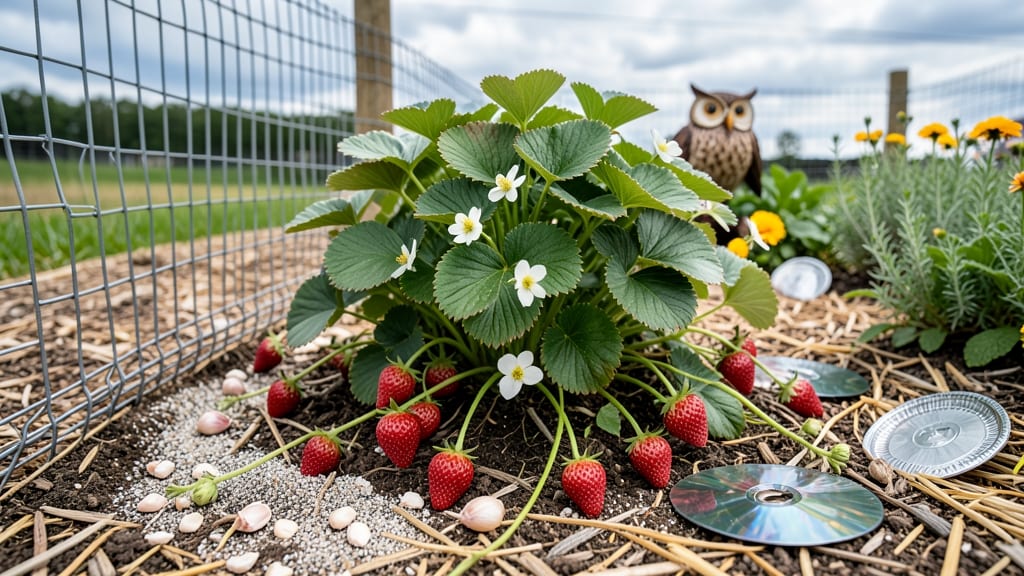
How to keep animals away from strawberries—that heartbreak happens to every gardener at least once, but I’ve tested humane barriers that actually work—no harsh chemicals or traps in sight.
Raccoons dig, rabbits nibble, and birds peck with impunity unless you outsmart them. The key is combining physical protection (like row covers) with natural deterrents (garlic spray, companion plants) that keep critters guessing without harming them—or your pets.
By summer’s end, you’ll watch those berries ripen undisturbed, sweet and plump instead of half-eaten. The best part? These methods work for raised beds, in-ground patches, and even container gardens—no fancy setups required.
We’ll tackle the most stubborn pests first: deer, rabbits, and birds. Each has its own trick, but the secret is consistency. Once you implement these, you’ll finally get to enjoy that first juicy harvest without the guilt of lost berries.
📚 In This Guide
- What you need
- Instructions
- Tips and common mistakes
- Wrapping up and next steps
What you need
- ● Fencing: 10–12 ft tall chicken wire (19-gauge, 1-inch mesh) – 1 roll (50 ft) for small patches, 2+ rolls for larger gardens.
- ● OR hardware cloth (1/2-inch mesh) – 1–2 rolls (50 ft each) for durability against digging.
- ● Stakes or Posts: T-posts or wooden stakes – 1 per 4–6 ft of fencing (e.g., 10–15 stakes for 50 ft).
- ● Ties or Zip Ties: Heavy-duty plastic ties or galvanized wire – 50+ pieces for securing fencing.
- ● Mulch or Landscaping Fabric: Black landscape fabric – 2–3 sq yards (cut to fit garden bed edges).
- ● Pruners or Scissors: 1 pair for trimming fencing or fabric.
- ● Gloves: 1 pair of gardening gloves (for handling wire or mulch).
- ● Natural Repellents: Crushed red pepper flakes or coffee grounds – 1–2 cups (sprinkle around plants).
- ● Citrus peels or vinegar-soaked rags – 5–10 pieces (place near fencing).
- ● Motion-Activated Sprinklers: 1–2 solar-powered sprinklers (for larger areas).
- ● Decoys: Fake owls or snakes – 1–2 units (rotate placement weekly).
- ● Compost or Straw: 1–2 bales of straw – to create a 3–4 inch barrier around plants.
Step-by-Step instructions for creating humane animal barriers around strawberries
Here's how to protect your strawberry patch without harming wildlife or sacrificing yield.
Assess Your Strawberry Patch for Vulnerabilities
Start by examining your strawberry beds for entry points and animal activity. Look for disturbed soil, chewed leaves, or fresh droppings near the plants—these are clear signs of animal interest. I focus on three key areas: the bed edges, pathways leading to the garden, and any low-hanging branches or ground cover that could provide shelter for pests. Note where animals are most active, as these spots will need the strongest protection.
Pay special attention to the plants' growth stage. Newly planted strawberries are especially vulnerable, while established beds with thick foliage deter many animals naturally. If your strawberries are still young, prioritize protection around the entire bed. For mature plants, focus on the outer perimeter where animals are most likely to enter.
Install Physical Barriers Using Natural Materials
For rabbits, deer, and ground-dwelling pests, create a 2-foot-tall barrier around the bed using materials like hardwood fencing, chicken wire, or sturdy branches. I prefer hardwood fencing because it's durable and blends better with the landscape than plastic or metal. Bury the bottom 6 inches deep or angle it outward to prevent digging animals from tunneling underneath. Secure the barrier tightly to posts or stakes every 2-3 feet to prevent gaps.
For birds and flying insects, use floating row covers or lightweight netting draped over hoops or trellises. Ensure the covers are secured with bricks or weights to prevent wind from lifting them. If using netting, choose 1/2-inch mesh to allow sunlight and water through while keeping pests out. This method works best for early-season protection when strawberries are most vulnerable to bird damage.
Use Repellent Plants and Scents to Deter Animals
Plant strong-scented herbs like rosemary, thyme, or mint around the perimeter of your strawberry bed. These plants naturally repel many pests with their aromatic oils. I interplant rows of marigolds or nasturtiums between strawberry plants—their bitter taste and scent confuse foraging animals. For additional protection, sprinkle crushed red pepper flakes or garlic powder around the bed edges. Reapply after rain to maintain effectiveness.
Commercial repellents like hot pepper wax or predator urine (coyote or fox) can also work, but test them on a small area first to ensure they don’t harm your strawberries. Apply repellents in the early morning or evening when animals are most active. Avoid overapplying—just enough to create a noticeable scent barrier without overwhelming the plants.
Implement Motion-Activated Deterrents
For larger animals like deer or raccoons, install motion-activated sprinklers or solar-powered lights around the bed. These devices startle animals without harming them. Position sprinklers 1-2 feet outside the barrier so they activate when animals approach. I’ve found that solar-powered options are the most practical—they’re easy to install and require no wiring. Set them to short bursts (3-5 seconds) to avoid scaring animals away permanently.
If using lights, opt for bright, flashing models that mimic natural predator movements. Place them at head height of the animals you’re targeting. For deer, I’ve had success with deer-resistant plants like daffodils or alliums planted in a ring around the strawberries. The combination of motion detectors and repellent plants creates a multi-layered defense that’s highly effective.
Monitor and Adjust Your Protection Strategy
Check your barriers weekly for damage or gaps, especially after storms or heavy rains. Animals are opportunistic—they’ll exploit even small openings. If you notice new signs of activity, reinforce weak points immediately. For example, if rabbits are digging under the fence, extend the buried edge deeper or add wire mesh to the underground portion. Adjust repellent applications based on effectiveness; if animals ignore the crushed pepper, try a stronger scent like vinegar-soaked rags placed near the bed.
Rotate deterrent methods seasonally. In early spring, focus on physical barriers to protect young plants, while in late summer, repellents and motion sensors may work better as strawberries ripen. Keep a garden journal to track what works best in each season. Over time, you’ll refine your approach to create a low-maintenance, humane system that keeps your strawberries safe without harming wildlife.
Tips & tricks for protecting strawberries from wildlife
These battle-tested strategies will help you create a fortress around your strawberries without harming a single animal—learn from my three seasons of trial and error.
Barrier Selection: When choosing between hardware cloth and netting, consider the animal's behavior patterns. For rabbits and deer, hardware cloth must be buried at least 18 inches deep—this prevents their digging instincts from undermining your protection. I've seen too many gardeners skimp on depth only to watch their entire harvest disappear overnight. The 8-foot height requirement isn't just arbitrary; it accounts for deer's ability to jump higher than you'd expect when motivated by sweet fruit.
Installation Stability: The 2-foot spacing for zip ties or staples when securing hardware cloth might seem excessive, but trust me—it's worth it. Wind and animal pressure create far more stress than most people anticipate. I've had fencing collapse completely during winter storms when using 3-foot spacing. For hoop houses, use at least 3 PVC pipes per 4-foot section to prevent sagging under the weight of netting and potential snow accumulation. The extra support keeps your structure intact while maintaining proper airflow for your plants.
Deterrent Rotation: The 2-3 week refresh cycle for natural deterrents like crushed eggshells and coffee grounds is non-negotiable. These lose effectiveness quickly as they break down or get washed away. I've found that combining them with the 4-6 week reapplication of commercial deer repellents creates a layered defense system that animals can't easily adapt to. The key is to alternate between methods—if you always use the same repellent, creatures will learn to ignore it.
Seasonal Adjustments: That weekly damage check in Step 4 isn't just about catching problems—it's about understanding animal behavior patterns. I've noticed that rabbit chewing peaks during early spring when food is scarce, while deer become more active in late summer when strawberries are ripe. Adjust your monitoring frequency accordingly, and be especially vigilant after heavy rains which can weaken barriers and attract foraging animals.
Pro Tips for Keep Animals Away From Strawberries
- These battle-tested strategies will help you create a fortress around your strawberries without harming a single animal—learn from my three seasons of trial and error.
- Barrier Selection: When choosing between hardware cloth and netting, consider the animal's behavior patterns.
- Installation Stability: The 2-foot spacing for zip ties or staples when securing hardware cloth might seem excessive, but trust me—it's worth it.
Frequently asked questions
What’s the best time of year to set up animal deterrents for strawberries?
Plant barriers like chicken wire or fencing in early spring (before planting) or late summer (after harvest). Animals like rabbits and deer start foraging as soon as strawberries ripen (June–August in most climates), so act proactively. For birds, use netting as soon as flowers appear to prevent them from pecking at unripe fruit.
Will these methods harm animals if they get too close?
All the solutions here are humane! Avoid poison baits or traps—opt for physical barriers (fencing, netting), motion-activated sprinklers, or natural repellents like peppermint oil. Even "scare tactics" (like reflective tape) are designed to startle without hurting. Never use harmful chemicals near edible plants.
What if animals keep coming back after I’ve tried deterrents?
Persistence pays off! If rabbits or deer ignore fences, elevate the barrier 2–3 feet (they’ll dig under low ones). For birds, shake netting daily to keep them off guard. Rotate repellents (e.g., switch from peppermint oil to predator urine scents) every few weeks to confuse them. Combine methods—like fencing + motion sprinklers—for best results.
Can I use natural repellents like garlic or chili spray on strawberries?
Yes! Mix 1 crushed garlic clove + 1 tsp cayenne pepper per gallon of water, spray on leaves (avoid fruit), and reapply after rain. Coffee grounds (sprinkled around plants) also work—animals dislike the smell. Just test small areas first to ensure no plant damage. Reapply every 5–7 days for best protection.
Are there affordable DIY alternatives to store-bought deterrents?
Absolutely! Try these budget-friendly fixes:
- Egg cartons: Hang upside-down near plants—birds peck at them instead of strawberries.
- Old CDs: Hang on strings to create reflective "scare" zones for deer.
- Pinecones + predator urine: Soak pinecones in coyote urine (available online) and scatter around beds.
- Sheep or goat grazing: If you have livestock, let them graze nearby—their presence deters pests!
Do I need to cover strawberries at night?
Only if you’re dealing with birds or raccoons. Use lightweight floating row covers (secured with bricks) at dusk. For ground-dwelling pests (rabbits, voles), nighttime coverage isn’t necessary—focus on perimeter barriers instead. Always ensure covers allow pollination (use fine mesh, not plastic).
Wrapping up and next steps
Keeping animals away from your strawberries doesn’t have to mean harsh chemicals or expensive fences—just a few humane, natural barriers can make all the difference! 🌱 From mulching and fencing to companion planting and taste-based deterrents, these methods protect your harvest while keeping wildlife safe and happy.
Start small, experiment with what works best in your garden, and soon you’ll be enjoying plump, pest-free strawberries without the stress.
Ready to put your plan into action? Grab your supplies, pick a strategy, and give it a try! Your future strawberry patches will thank you—one berry at a time. 🍓✨