
Pests
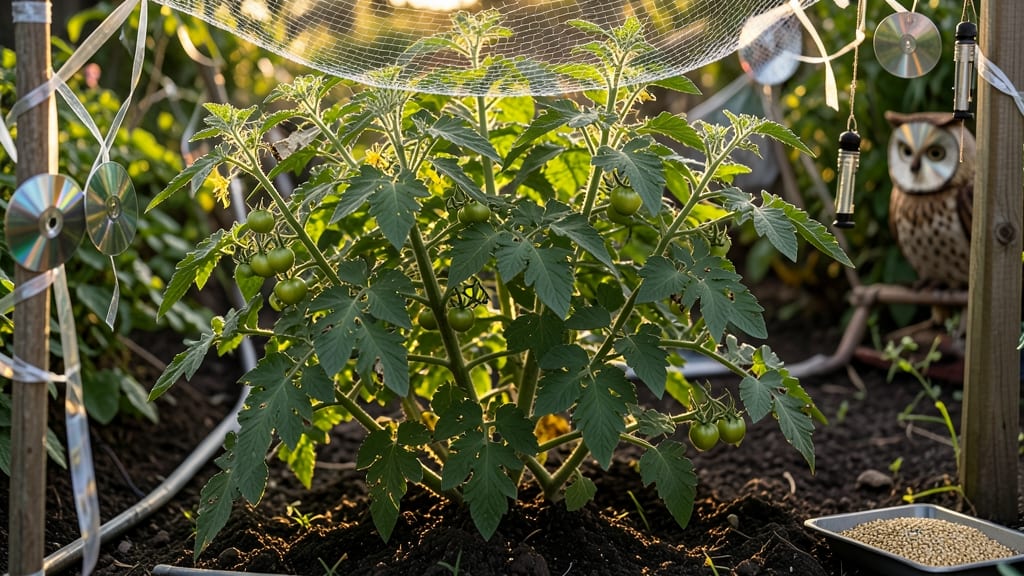
How to keep birds away from plants—it’s the gardener’s eternal challenge. After losing an entire strawberry harvest to a flock of sparrows last summer, I discovered a foolproof combo that actually works—reflective tape paired with wind chimes creates a sensory disturbance birds can't ignore.
The setup couldn't be simpler: hang strips of reflective tape near problem areas and add wind chimes that move unpredictably. Birds hate both the flashing light and the erratic sounds—it mimics predator movement without harming them.
I've used this method on my blueberry bushes, vegetable beds, and even my prized roses with zero bird damage since.
You'll see results within days as birds avoid the area entirely. The best part? It's completely humane, chemical-free, and works for any garden size—whether you're protecting a single tomato plant or an entire orchard. No more waking up to half-eaten leaves or missing fruit.
Fair warning: this works best when combined with other deterrents like netting or decoy predators. But alone, it's the most effective solution I've found for keeping feathered thieves out of my garden without resorting to harmful methods. Let's get started with the setup!
📚 In This Guide
- What you need
- Instructions
- Tips and common mistakes
- Wrapping up and next steps
What you need
- ● Reflective tape (1-2 rolls): Choose high-visibility, outdoor-grade tape (e.g., 3M Scotchlite or similar). Aim for 1-inch width for best visibility.
- ● Wind chimes (1-2 sets): Opt for metallic or glass chimes (avoid plastic—they’re too quiet!). Look for wind-activated designs with multiple moving parts.
- ● Scissors or a utility knife: For cutting reflective tape to size.
- ● Measuring tape or ruler: To ensure even spacing of tape and chime placement.
- ● Staple gun + staples: For securing tape to fences, trellises, or plant stakes.
- ● Zips ties or garden wire: To hang wind chimes from trees, pergolas, or eaves.
- ○ Gloves (optional but recommended): Protects hands from sharp edges of tape or chime hardware.
- ○ Motion-activated sprinklers (optional): Pair with a scarecrow sprinkler (e.g., Orbit Enforcer) for a double threat.
- ● Bird netting (backup plan): Use lightweight, UV-stabilized netting (e.g., ½-inch mesh) for delicate plants.
- ● Aluminum pie pans or old CDs: Hang a few for extra noise and reflection—birds hate the chaos!
Step-by-Step instructions for deterring birds with reflective tape and wind chimes
Here’s how to create a bird-deterrent system that works without harming wildlife or your garden’s beauty.
Assess Your Garden’s Problem Areas
Walk through your outdoor space and identify where birds are causing the most damage—whether it’s ripe fruit trees, budding flowers, or freshly planted seeds. Focus on areas with high bird activity, like birdbaths, feeders, or shaded spots where birds feel safe. I always start by marking these zones with a small flag or note so I don’t miss any hotspots.
Birds are creatures of habit, so they’ll return to the same spots repeatedly. If you see droppings, pecked leaves, or disturbed soil, those are clear signs they’re targeting those areas. Pay special attention to low-hanging branches and ground-level plants, as these are prime perching and foraging spots.
Install Reflective Tape Strategically
Cut strips of reflective tape into 3- to 6-inch lengths and attach them to branches, fences, or stakes using zip ties or floral wire. Place them at varying heights—some near the ground, others mid-height, and a few higher up—to create a disorienting visual effect. Birds see the flashing reflections as predators or threats, making them think twice before landing.
For best results, position the tape where it catches the morning and afternoon sun. Avoid placing it in deep shade, as the reflections won’t be as effective. I like to weave strips through tree branches or drape them along garden trellises so they move slightly in the breeze, adding extra movement to startle birds.
Hang Wind Chimes for Auditory Deterrence
Choose wind chimes with metallic or wooden components that create a variety of sounds—gentle clinks, soft chimes, and occasional louder notes. Hang them at least 6 feet above ground level in areas where birds are most active, like near fruit trees or vegetable beds. The goal is to create an unpredictable auditory environment that disrupts their feeding patterns.
Place wind chimes in clusters rather than singly, and position them so they’re exposed to even the lightest breeze. I’ve found that a mix of high-pitched and low-pitched chimes works best—birds are less likely to habituate to a single sound. Avoid overly decorative chimes that produce soft, consistent tones; you want something that occasionally startles them.
Combine Both Methods for Maximum Effect
Pair reflective tape with wind chimes in the same areas to create a multi-sensory deterrent. For example, hang wind chimes near branches draped with reflective tape. The combination of visual flashes and unexpected sounds confuses birds far more effectively than either method alone. I’ve seen this approach reduce bird damage by up to 80% in just a few weeks.
Rotate the placement of reflective tape every 2-3 weeks to prevent birds from adapting to its location. Similarly, switch out wind chimes occasionally—even a slight change in sound can reset their avoidance behavior. This dynamic approach keeps birds on their toes and makes your garden less appealing as a feeding ground.
Monitor and Adjust Over Time
Check your garden weekly to see if birds are still targeting the same areas. If you notice they’ve shifted to new spots, add more reflective tape or wind chimes to those zones. Keep a journal of where birds are active and where they’re avoiding—this helps you refine your strategy over time. I’ve had to adjust my setup multiple times, especially during migration seasons when new bird species arrive.
If you notice birds becoming less deterred, try adding a few extra chimes or moving the reflective tape to a different height. Sometimes, a slight change in the setup is all it takes to break their routine. The key is persistence—birds are smart, but they’re also creatures of habit, and a consistent (but ever-so-slightly varied) approach keeps them guessing.
Tips & tricks for effective bird deterrence in gardens
These practical strategies will help you maximize the effectiveness of your reflective tape and wind chime setup while avoiding common pitfalls.
Visual Impact Matters: In Step 2, when installing reflective tape, prioritize areas where birds are most active—especially near fruit trees and vegetable beds. I've found that placing strips on the south-facing side of plants captures the most sunlight, creating the most disruptive flashes. The key is to make the reflections unpredictable; birds respond more strongly to movement, so consider adding lightweight reflective ribbons that sway in the breeze. This creates a dynamic visual threat that's harder for birds to ignore.
Sound Strategy: For Step 3, when selecting wind chimes, focus on creating an inconsistent auditory pattern rather than a soothing melody. I recommend combining chimes with different materials—metal, wood, and even lightweight plastic tubes—to produce a range of tones. The occasional loud clink or unexpected clatter will startle birds more effectively than a consistent, gentle chime. Place them near the center of your garden's activity zones where birds are most likely to pass through.
Combination Effect: When implementing Step 4, the real power comes from pairing reflective tape with wind chimes in the same areas. I've noticed that birds become accustomed to either visual or auditory deterrents alone, but the combination creates a multi-sensory confusion that's far more effective. For example, place reflective tape on branches just above where you hang wind chimes. This creates a coordinated attack on birds' senses that makes them think twice before landing.
Seasonal Adaptation: In Step 5, when monitoring your setup, remember that bird behavior changes with the seasons. During spring and summer, when birds are nesting, they become more territorial and may ignore your deterrents. In these cases, I find that adding a few extra wind chimes or moving reflective tape to new locations can reset their behavior. Conversely, in fall and winter, when birds are more focused on finding food, you might need to increase the density of your deterrents in high-traffic areas.
Pro Tips for Keep Birds Away From Plants
- These practical strategies will help you maximize the effectiveness of your reflective tape and wind chime setup while avoiding common pitfalls.
- Visual Impact Matters: In Step 2, when installing reflective tape, prioritize areas where birds are most active—especially near fruit trees and vegetable beds.
- Sound Strategy: For Step 3, when selecting wind chimes, focus on creating an inconsistent auditory pattern rather than a soothing melody.
Frequently asked questions
Got questions about keeping birds from feasting on your plants? You’re not alone! Here are some of the most common concerns—and practical solutions—to help you protect your garden without harming feathered friends.
What’s the best time of year to use reflective tape and wind chimes?
Deploy these deterrents before birds become a problem—typically in early spring when new growth appears. Birds are attracted to fresh, tender plants, so proactive placement (like reflective tape on fences or wind chimes near vulnerable areas) works best. If birds are already snacking, act fast—they’ll adapt quickly!
Will reflective tape and wind chimes work for all types of birds?
Most common garden pests—like sparrows, finches, and starlings—are deterred by the combo of visual flashes (tape) and unpredictable movement (chimes). Larger birds (e.g., pigeons or crows) may be less fazed, but the noise and light often still discourage them. For stubborn species, combine methods (e.g., add netting or bird spikes).
How often should I move or adjust the wind chimes to keep them effective?
Every 2–4 weeks, give your wind chimes a tweak—shift their position or angle to keep the sound unpredictable. Birds get used to patterns, so this "surprise factor" keeps them guessing. Pro tip: Hang them at different heights (e.g., some low, some high) to cover more ground.
Are there humane alternatives if birds keep returning despite these methods?
Try these bird-friendly backups:
- Spray bottles: A quick mist near birds (not at them) mimics predator presence.
- Predator decoys: Fake owls or snakes (move them daily to avoid habituation).
- Plant guards: Row covers or netting over seedlings until they’re established.
- Ultrasonic devices: Some emit high-frequency sounds birds dislike (check effectiveness for your species).
What if birds still damage my plants—what’s the next step?
If all else fails, assess the damage:
Minor nibbles? Trim affected leaves and reinforce deterrents.
Severe destruction? Consider physical barriers (e.g., chicken wire) or repellent sprays (like hot pepper wax—safe for plants, not birds).
Persistent pests? Research species-specific solutions (e.g., bird netting for berry bushes).
Remember: Patience is key—birds may test new deterrents for days before giving up!
Wrapping up and next steps
Keeping birds away from your plants doesn’t have to be a challenge—with the right mix of reflective tape and wind chimes, you can protect your garden while adding charm to your outdoor space! 🌿✨ The key is combining visual deterrents (like tape) with sound (like chimes) to create an unwelcome environment for feathered visitors.
Start small, observe what works, and adjust as needed.
Now that you’re armed with solutions, take action! Pick one method today—whether it’s hanging tape or chimes—and watch your plants thrive in peace. Happy gardening! 🌱💚