
Blooming
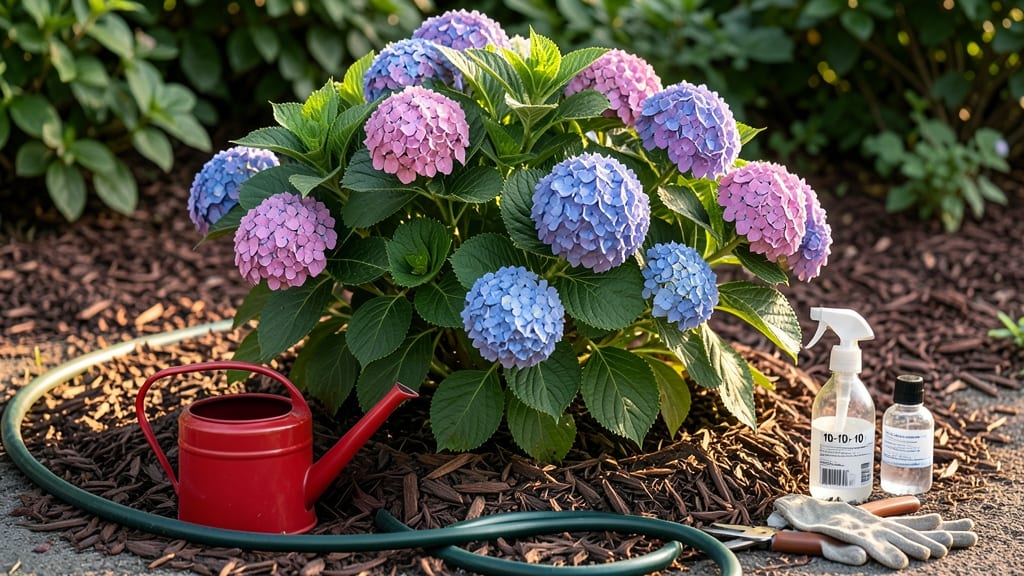
How to keep hydrangeas blooming all summer feels like unlocking a secret—those big, lush clusters just won’t quit. 🌸 I’ve watched my own hydrangeas go from a few sad blooms in June to a riot of color through September by making just a few key adjustments. The difference isn’t magic; it’s about understanding what these plants really need to keep flowering.
Most gardeners overwater or prune at the wrong time, which sends hydrangeas into survival mode instead of bloom mode. You’ll need consistent moisture (but not soggy soil), strategic pruning after blooms fade, and the right balance of sun and shade.
The payoff? Clusters that stay vibrant for months instead of wilting by July. My ‘Endless Summer’ hydrangeas now bloom from early June through frost—something I never thought possible.
Summer heat is the real villain here. When temperatures climb, you’ll need to adjust watering (deep soaks every 2-3 days) and protect leaves from scorching. A light mulch layer keeps roots cool, and a mid-summer feeding with bloom-boosting fertilizer (like 10-10-10) gives them the energy to keep producing.
The secret? Treating them like the divas they are—but in a good way.
This method works for mophead, lacecap, and ‘Endless Summer’ varieties alike, whether you’re growing in full sun or partial shade. The key is consistency—once you get the rhythm right, your hydrangeas will thank you with nonstop color. Ready to make them the star of your garden all season?
📚 In This Guide
- What you need
- Instructions
- Tips and common mistakes
- Wrapping up and next steps
What you need
- ● Hydrangeas: Choose mophead or panicle varieties (e.g., 'Endless Summer,' 'Limelight,' or 'Nikko Blue').
- ● Well-draining potting mix: 5–10 gallons (depending on pot size), blended with peat moss or coconut coir (20% perlite/pumice for aeration).
- ● Slow-release fertilizer: 10–20 lbs of balanced 10-10-10 or acid-loving plant formula (e.g., Miracle-Gro Azalea/Camellia).
- ● Watering can or hose with a gentle spray nozzle: 2–3 gallons capacity (or a drip irrigation kit for automation).
- ● Pruning shears: Sharp, bypass-style (avoid anvil types to prevent crushing stems).
- ● Mulch: 2–3 inches of pine bark or shredded leaves (avoid dyed mulch—it’s toxic!).
- ● pH test kit: Digital or liquid strips to monitor soil acidity (aim for 5.2–5.5 for blue blooms; 6.0+ for pink).
- ● Aluminum sulfate or iron sulfate: 1–2 lbs (for adjusting pH if needed).
- ● Gloves: Heavy-duty gardening gloves (hydrangeas can be thorny!).
- ● Soil moisture meter: To check hydration levels (aim for 1–1.5 inches of water per week).
- ● Epsom salt (magnesium sulfate): 1 tbsp per gallon of water (monthly boost for green foliage).
- ● Shade cloth (30–50% coverage): For hot climates (prevents leaf scorch).
- ● Container with drainage holes: 15–25 gallon pots for potted hydrangeas (terracotta or resin).
- ● Compost or worm castings: 1–2 cups per plant (spring/fall for organic nutrients).
- ○ Floral preservative (for cut blooms): Optional for extending vase life (e.g., Chrysal Clear).
Step-by-step instructions for year-round hydrangea bloom success
Here’s the method I’ve used to keep my hydrangeas flowering lushly from spring through fall.
💧 Step 1: Water Deeply and Consistently
Hydrangeas hate dry soil—think of them as thirsty divas. Water deeply every 2-3 days until the top 6 inches of soil feels damp (not soggy). The key is steady moisture, not occasional drenching. I check by sticking my finger in the soil; if it’s dry past the first knuckle, it’s time to water.
Mulch around the base with 2-3 inches of organic mulch (like shredded bark) to lock in moisture and keep roots cool. This prevents the soil from drying out between waterings. Overwatering is just as bad—yellowing leaves mean you’re drowning the roots.
☀️ Step 2: Balance Sunlight and Shelter
Most hydrangeas thrive in morning sun and afternoon shade—about 4-6 hours of direct light daily. Too much harsh afternoon sun scorches leaves, while too little shade stunts blooms. I’ve seen leggy, sparse flowers when plants sit in deep shade all day.
If your hydrangeas get full sun, provide afternoon shade with a sheer curtain or nearby trees. For cooler climates, full sun is fine, but in hot zones, partial shade keeps blooms vibrant. Watch for leaves curling or browning—this is your cue to adjust shade.
✂️ Step 3: Prune Strategically for Continuous Blooms
Pruning makes or breaks summer color. Old wood bloomers (like Bigleaf hydrangeas) should be pruned right after flowering—cut back one-third of the oldest stems to encourage new growth. New wood bloomers (like Panicle or Smooth hydrangeas) get pruned in late winter or early spring to remove dead stems.
Never prune in fall—you’ll cut off next year’s buds. And never top the plant (cutting the main stem flat)—this stresses the plant and reduces blooms. Instead, trim just above a set of leaves or buds to promote bushiness.
🌿 Step 4: Feed for Vibrant Blooms
Hydrangeas are heavy feeders. In early spring, apply a balanced 10-10-10 fertilizer (or organic equivalent) to encourage foliage and buds. Then, switch to a bloom booster (like 5-10-5) in mid-spring to support flower development.
I also add compost or aged manure around the base in fall to replenish nutrients. Over-fertilizing in summer causes weak stems and fewer blooms—stick to light feedings every 6-8 weeks during growing season.
🌱 Step 5: Deadhead and Protect for Long-Term Health
Deadheading spent blooms extends the flowering season by redirecting energy to new buds. Snip off faded flowers (but leave the stem if it’s still green) to keep the plant producing. For Bigleaf hydrangeas, you can even cut stems and root them in water to propagate new plants!
In late fall, protect tender varieties with a thick layer of mulch (4-6 inches) to insulate roots from freeze-thaw cycles. This prevents root damage that can kill next year’s blooms. I also wrap young plants in burlap if winters are harsh.
Tips & tricks for perfect year-round hydrangea blooms
Here's what I wish I knew sooner about keeping hydrangeas vibrant all season long.
Soil Moisture Secret: The 2-3 day watering schedule works best when your soil drains well. If you notice water pooling around the base after watering, your hydrangeas need better drainage. Amend the soil with compost before planting to improve water retention without creating soggy conditions. I've seen hydrangeas wilt dramatically when their roots sit in waterlogged soil—always check the top 6 inches with your finger before watering again.
Light Adjustment Hack: For those 4-6 hours of sunlight, position your hydrangeas where they get morning sun but afternoon shade in hot climates. If you notice leaves curling, it's a clear sign they're getting too much direct afternoon sun. I've had to move plants three times before finding the perfect spot—patience pays off with bigger, brighter blooms.
Pruning Timing Tip: When you prune old wood bloomers right after flowering, make your cuts just above a set of leaves or buds. This encourages new growth while preserving next year's flower buds. I always use clean, sharp pruners and make cuts at a 45-degree angle to prevent water from pooling on the stem. Never prune more than one-third of the oldest stems at a time.
Fertilizer Strategy: The switch from 10-10-10 in early spring to a bloom booster like 5-10-5 in mid-spring makes all the difference. I apply the bloom booster when I see new growth starting, usually around late April in my zone. Light feedings every 6-8 weeks during growing season keeps stems strong without overwhelming the plant with excess nitrogen.
Pro Tips for Keep Hydrangeas Blooming All Summer
- Here's what I wish I knew sooner about keeping hydrangeas vibrant all season long.
- Soil Moisture Secret: The 2-3 day watering schedule works best when your soil drains well.
- Light Adjustment Hack: For those 4-6 hours of sunlight, position your hydrangeas where they get morning sun but afternoon shade in hot climates.
Frequently asked questions
about keeping hydrangeas blooming all summer—because even the pros need a little extra guidance!Why do my hydrangeas stop blooming mid-summer?
Hydrangeas often fade when they’re stressed—think drought, too much sun, or poor soil. Bigleaf and oakleaf varieties bloom on old wood, so late pruning or winter damage can also cut flowers short. Check soil moisture (1-2 inches deep) and mulch to retain moisture. If blooms drop early, it’s usually a sign to adjust watering or prune smarter next year!
Can I prune hydrangeas in summer to encourage more blooms?
Pruning in summer is risky—it can trigger new growth that won’t flower until next year. Instead, deadhead faded blooms (snip just above a set of leaves) to redirect energy. For panicle hydrangeas (which bloom on new wood), light pruning in early summer is okay, but avoid heavy cuts. Wait until late winter/early spring for major pruning!
Do hydrangeas need special care in extreme heat?
Heatwaves stress hydrangeas—they wilt or drop blooms when soil dries out. Water deeply 2-3x/week (early morning is best) and mulch heavily (3-4 inches) to keep roots cool. Morning shade (via a sheer curtain or nearby trees) helps too. If leaves crisp, it’s a cry for hydration—don’t ignore it!
How do I change my hydrangea flower color?
Bigleaf hydrangeas (H. macrophylla) change color based on soil pH:
- Blue flowers = Acidic soil (pH 5.5-6.0) (add aluminum sulfate or coffee grounds).
- Pink/Purple flowers = Alkaline soil (pH 6.0+) (add lime or wood ash).
- Pro tip: Test soil in spring (before blooming) for best results!
Are pests the reason my hydrangeas aren’t blooming?
Yes! Common culprits include:
- Spider mites (tiny webs on leaves = stress signal).
- Aphids (sticky residue = honeydew).
- Japanese beetles (skeletonized leaves).
Wrapping up and next steps
With these hydrangea care secrets, you’re well on your way to enjoying lush, long-lasting blooms all summer long! 🌸 Remember, consistency is key—whether it’s pruning at the right time, feeding with the proper nutrients, or keeping those roots hydrated. Don’t let a few missed steps discourage you; even small adjustments can make a big difference.
Ready to transform your garden? Start by picking one tip from this guide to implement this week—maybe it’s adjusting your watering schedule or testing your soil pH. Small changes lead to stunning results! Happy gardening! 🌿