
Shrubs
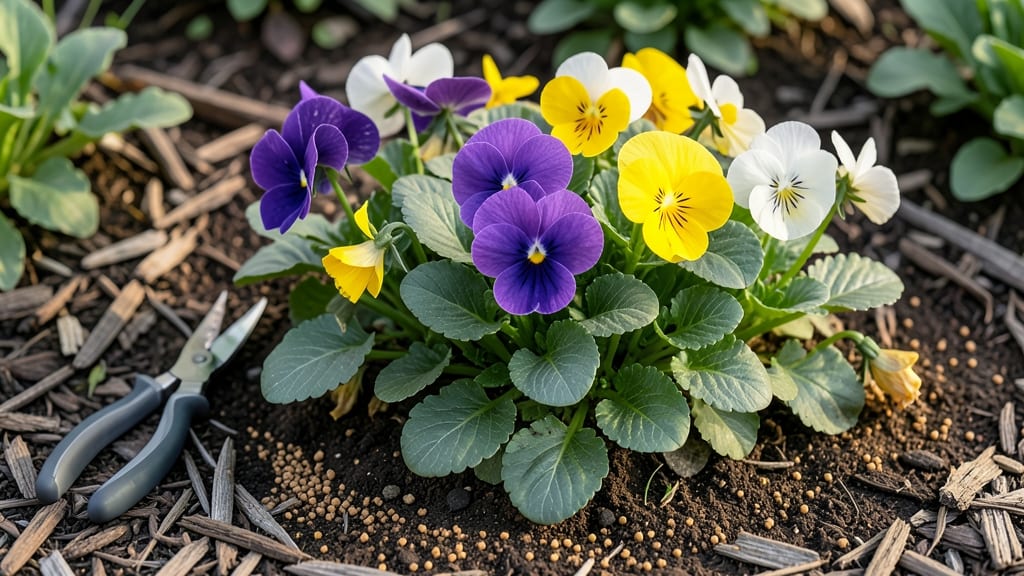
How to keep pansies flowering like crazy all season long? I’ve battled that too—until I discovered the three simple secrets that keep my plants bursting with blooms. 🌸 The key isn’t just deadheading (though that helps), but understanding what really starves their flowers: crowded roots, wrong nutrients, or ignoring seasonal shifts.
Start with deadheading spent blooms—but don’t stop there. I also fertilize every 4-6 weeks with a low-phosphorus, high-potassium mix (like 5-10-10) to fuel flowers, not leaves. Overcrowding? Thin plants to 6-8 inches apart so they don’t compete for sunlight.
And if your pansies go dormant in heat, trim them back by half—they’ll bounce back with fresh growth.
By summer’s end, you’ll have pansies pushing out new blooms instead of just leaves. The secret’s in the timing: water deeply but infrequently (let the top inch dry between waterings) and protect them from scorching afternoon sun with shade cloth.
Even in winter, a light mulch keeps roots cozy while encouraging spring reblooms.
This works for container pansies too—just use a well-draining mix and swap out pots every 2-3 years to refresh the soil. The payoff? Nonstop color from early spring to first frost, with minimal fuss. Let’s get those blooms back in action!
📚 In This Guide
- What you need
- Instructions
- Tips and common mistakes
- Wrapping up and next steps
What you need
- ● Pansy plants: Healthy, disease-free seedlings or mature plants (choose varieties like 'Cool Wave,' 'Matrix,' or 'Majestic Giants' for long-lasting blooms).
- ● Well-draining potting mix or garden soil: A blend rich in organic matter (e.g., 60% garden soil + 30% compost + 10% perlite or sand).
- ● Containers or garden bed: For containers: 6–12" deep pots with drainage holes (1–2 pansies per 6" pot).
- ● For garden beds: Full sun to partial shade (4–6 hours of sunlight daily).
- ● Balanced fertilizer: 10-10-10 or 20-20-20 (organic options like fish emulsion or compost tea work too!).
- ● Watering can or hose with a gentle spray nozzle.
- ● Pruning shears or scissors (sterilized with rubbing alcohol).
- ● Slow-release fertilizer granules (for convenience—apply at planting).
- ● Mulch (straw, shredded bark, or pine needles to retain moisture and regulate soil temp).
- ● Plant supports or stakes (if growing tall varieties like 'Giant Cool Wave').
- ● Shade cloth (30–50%) (for hot climates to prevent wilting).
- ● Epsom salt (1 tbsp per gallon of water monthly for magnesium boost).
- ● Compost tea or liquid seaweed fertilizer (for organic nutrient boosts).
Step-by-step instructions for year-round pansy bloom maintenance
Here’s the method I’ve used to keep pansies blooming continuously—even through winter—by mimicking their natural growth triggers.
🌱 Step 1: Deadhead Regularly to Stimulate New Flowers
Remove spent blooms by pinching off the entire flower stem down to the first set of leaves. This prevents seed production and redirects the plant’s energy into fresh buds. I do this every morning after dew dries—it takes just a minute per plant and keeps them prolific.
Watch for buds forming at the base of the plant. When you see 3-4 new buds per stem, that’s your signal the plant is ready to produce another round of blooms. Pansies are self-cleaning to an extent, but they’ll reward aggressive deadheading with nonstop color.
☀️ Step 2: Provide Consistent Light and Temperature Conditions
Pansies thrive in full sun to partial shade, but they need at least 5-6 hours of direct sunlight daily to keep flowering. If your climate gets hotter than 80°F, provide afternoon shade to prevent bolting. I’ve seen pansies go dormant in summer heat unless protected.
They’re cold-hardy down to 15°F, but for year-round blooms, maintain soil temps above 40°F—colder roots slow growth. Mulch with 2-3 inches of straw in winter to insulate roots while allowing airflow to prevent rot.
💧 Step 3: Water Deeply but Avoid Overhead Moisture
Water at the base when the top 1 inch of soil feels dry—pansies hate soggy roots. I use a soaker hose to deliver moisture directly to the root zone, which keeps foliage dry and prevents fungal diseases like powdery mildew. Wet leaves in cool weather can trigger rot overnight.
In summer, water in the morning so foliage dries by evening. You’ll know you’re doing it right when leaves stay crisp and upright, not wilting or yellowing. Pansies are drought-tolerant once established, but consistent moisture keeps them blooming longer.
✂️ Step 4: Fertilize Lightly and Strategically
Feed every 4-6 weeks with a balanced 10-10-10 fertilizer diluted to half strength—pansies don’t need heavy feeding. Over-fertilizing leads to lush foliage but fewer flowers. I mix a pinch into the soil surface after watering to avoid leaf burn.
For winter blooms, switch to a low-nitrogen, high-phosphorus fertilizer (like 5-10-5) in late fall. This encourages root development and bud formation when days shorten. You’ll see buds form within 2-3 weeks of applying winter fertilizer.
🌿 Step 5: Rotate Plants Annually for Renewed Vigor
After 12-18 months, pansies decline in vigor and flower production. Dig up the entire plant, including roots, and compost it. This prevents disease buildup in the soil. I replant new seedlings in early fall for a fresh cycle of blooms.
Here’s the thing—pansies self-seed readily. If you let a few flowers go to seed, you’ll get volunteer plants the next year. Just thin them to 6 inches apart for best results. This natural cycle means you’ll always have fresh stock without buying new plants.
Tips & tricks for year-round pansy bloom maintenance
Took me years of trial and error to perfect these secrets—here's how to keep your pansies blooming like clockwork all year.
Deadheading Discipline: The morning after dew dries is the ideal time for deadheading because the stems are stiff and easy to pinch. I've found that using clean, sharp scissors (or even your fingernails) reduces the chance of spreading disease between plants. When you see those 3-4 new buds forming at the base, that's your green light to stop—pushing further risks over-stimulating the plant and causing leggy growth. Think of it like pruning roses, but with a gentler touch.
Light and Temperature Balance: The 5-6 hours of direct sunlight requirement is non-negotiable for continuous blooming, but here's the trick: if your summer temps creep above 80°F, move pansies to partial shade during peak afternoon heat. I've seen pansies bolt (send up tall flower stems) when stressed by heat, which completely ruins their compact, colorful form. For winter, that 40°F soil temperature threshold is crucial—colder roots mean slower metabolism and fewer blooms. A simple soil thermometer ($10 at garden centers) takes the guesswork out of this.
Watering Wisdom: That 1-inch soil dryness test works best when you check the same spot each time—pansies have shallow roots. I've learned the hard way that overhead watering in cool weather creates the perfect conditions for powdery mildew. Instead, water at the base using a soaker hose or drip irrigation system. In summer, morning watering gives foliage time to dry completely, preventing fungal issues that can kill plants overnight. The crisp, upright leaves are your best indicator of proper watering.
Fertilizer Timing: The 4-6 week feeding schedule might seem frequent, but remember—pansies are heavy producers. That half-strength 10-10-10 dilution is key: too much nitrogen creates leafy monsters with no flowers. For winter blooms, the switch to 5-10-5 fertilizer in late fall is your secret weapon. I've seen buds form within just 2-3 weeks after applying this winter blend, proving that phosphorus really does encourage root development and flower formation when days grow short.
Pro Tips for Keep Pansies Flowering
- Took me years of trial and error to perfect these secrets—here's how to keep your pansies blooming like clockwork all year.
- Deadheading Discipline: The morning after dew dries is the ideal time for deadheading because the stems are stiff and easy to pinch.
- I've seen pansies bolt (send up tall flower stems) when stressed by heat, which completely ruins their compact, colorful form.
Frequently asked questions
Got questions about keeping pansies blooming like a pro?
Here are answers to the most common queries—so you can enjoy vibrant flowers all season long!
Why do my pansies stop flowering in hot weather?
Pansies love cool weather and often go dormant in extreme heat (above 75°F/24°C). To encourage reblooming, provide afternoon shade, mulch to keep roots cool, and water deeply at the base. Deadhead spent blooms too—this tricks them into focusing energy on new flowers instead of seed production.
Can I keep pansies flowering indoors?
Yes, but with adjustments! Place them near a bright, north-facing window or under grow lights (12–14 hours/day). Use well-draining soil, a shallow pot, and mist leaves to mimic humidity. Avoid drafts, and fertilize lightly every 4–6 weeks. Just remember: indoor pansies may bloom less prolifically than outdoor varieties.
How often should I fertilize pansies for continuous blooms?
Feed pansies every 3–4 weeks during active growth (spring/fall) with a balanced, water-soluble fertilizer (10-10-10 or 20-20-20). In summer, reduce to once a month or switch to a low-nitrogen formula (like 5-10-10) to avoid leafy growth over flowers. Always water before fertilizing!
What should I do if my pansies get powdery mildew?
Powdery mildew (white fuzzy spots) thrives in humid, low-light conditions. Improve airflow by spacing plants 6–12 inches apart, water at the base (not overhead), and remove infected leaves. Spray with a mix of 1 tsp baking soda + 1 quart water + a drop of dish soap weekly. For severe cases, use a fungicide labeled for pansies.
Are there pansies that bloom year-round?
No single pansy variety blooms nonstop, but you can extend the season! Plant early spring varieties (like ‘Matrix’) for fall/winter color, then swap in summer-blooming types (like ‘Majestic Giants’) as temperatures rise. Succession planting and deadheading are your best friends for round-the-clock blooms!
Wrapping up and next steps
Keeping your pansies blooming beautifully is all about consistent care—whether it’s deadheading spent flowers, providing the right nutrients, or protecting them from harsh weather. With a little attention to light, soil, and timing, you’ll enjoy vibrant blooms well beyond the typical season! 🌸
Ready to transform your garden into a year-round floral masterpiece? Start small: pick one tip from this guide—like deadheading or fertilizing—and watch your pansies thrive. Soon, you’ll be the envy of the neighborhood with their cheerful, long-lasting blooms! 🌟