
Pests
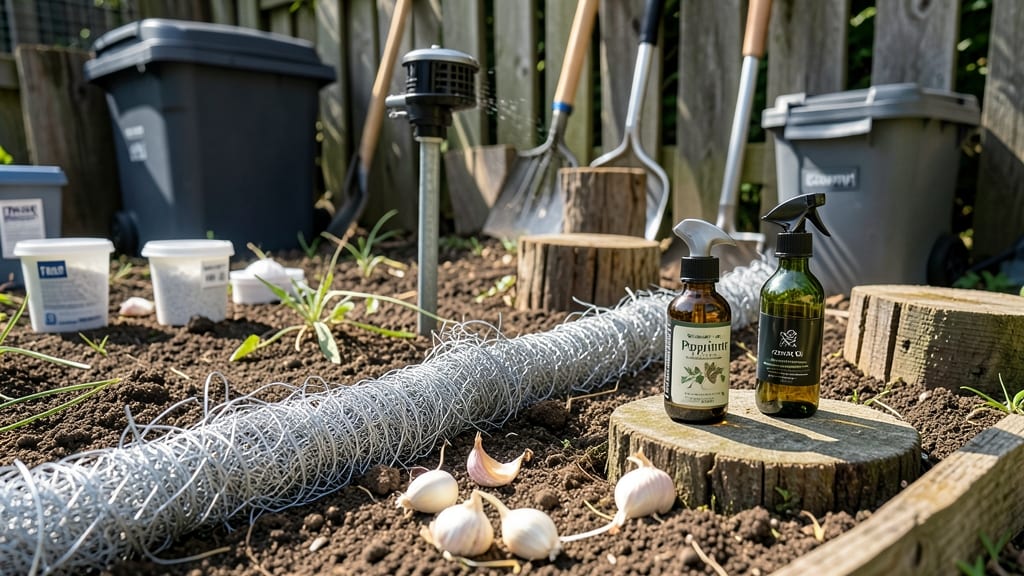
How to keep rats out of your garden starts with a lesson learned the hard way: my prize-winning tomatoes became a rat buffet last summer, and peppermint oil only bought me temporary relief. The solution? Steel barriers. They’re the only method that’s worked for me—no more chewed plants, no more midnight raids. You don’t need expensive tools or complicated setups, just heavy-duty hardware cloth (1/4-inch mesh) and a little elbow grease. The secret is sealing every possible entry point: burrows, gaps in fences, even tiny holes in sheds. Rats can squeeze through openings the size of a quarter, so precision is key. Once installed, these barriers create an impenetrable fortress. No more gnawed vegetables, no more stolen pet food, and no more skittering shadows at night. The peace of mind is worth the effort—and your garden will finally thrive without becoming an all-you-can-eat rodent buffet. This method works for vegetable gardens, compost bins, sheds, or garages. The best part? Steel barriers are permanent, reusable, and humane—no traps, no poisons, just a clear boundary rats can’t cross. Let’s build that fortress garden for good.
📚 In This Guide
- What you need
- Instructions
- Tips and common mistakes
- Wrapping up and next steps
What you need
- ● Hardware cloth or 1/4-inch (6mm) galvanized steel mesh – Minimum 4 ft x 8 ft sheets (adjust based on area). Must be buried at least 12 inches deep to block burrowing.
- ● Heavy-duty galvanized steel flashing – 1/16-inch (1.5mm) thickness, 12-inch-wide rolls for sealing gaps around pipes, vents, and foundations.
- ● Stainless steel or galvanized steel screws/nails – 1.5-inch to 2-inch length, #10 gauge or thicker (rats can bend thin wire—no aluminum!).
- ● Concrete or gravel – For burying mesh (at least 12 inches deep) or filling trenches near foundations.
- ● Door sweeps (metal, not rubber) – Adjustable, 3/4-inch to 1-inch thick for sealing gaps under exterior doors.
- ● Metal mesh vents – 1/4-inch or smaller mesh for replacing existing vents (rats can fit through 1/2-inch gaps!).
- ● Heavy-duty utility knife or tin snips (for cutting steel mesh).
- ● Drill with metal drill bits (for securing flashing and mesh).
- ● Shovel and wheelbarrow (for burying mesh or filling trenches).
- ● Measuring tape and level (for precise installations).
- ● Safety gloves and goggles (steel mesh is sharp!).
- ● Caulk gun with metal-reinforced caulk (for sealing tiny gaps).
- ● Motion-activated lights or ultrasonic repellents – Deters rats from lingering near barriers.
- ● Expanding foam (metal-safe) – For filling cracks in brick/masonry before sealing with steel.
- ● PVC pipes with mesh covers – If rerouting utility lines, use 1/4-inch mesh to prevent entry.
- ● Rat traps (humane or snap) – For existing infestations before sealing entry points.
Tips & tricks for permanent rat-proofing
These practical strategies will help you create an unbreakable defense system against rodents—no shortcuts, just lasting results.
Mesh Selection Matters: When choosing your ½-inch steel mesh or ¼-inch mesh for vents, opt for galvanized steel if you're near coastal areas or high-moisture zones. Regular steel mesh will rust faster in these conditions, leaving gaps that rats can exploit. I've found that galvanized mesh lasts twice as long in wet climates—worth the extra investment for permanent protection. For vents, use the ¼-inch version even if it seems overkill; rats can squeeze through larger openings than you'd expect.
The 12-Inch Rule: In Step 2, when burying expanded metal mesh around your foundation, extend it 12 inches outward from the house. This might seem excessive, but rats are excellent climbers—they'll use any vertical surface to reach your home. I learned this the hard way after seeing rats jump from a nearby pile of leaves onto my porch. The extra few inches of barrier make all the difference between a secure home and an open invitation. Use landscape fabric underneath the mesh to prevent soil from clogging the openings.
Sealant Testing: Before finalizing any sealant job around pipes or vents, run your hand over the area to check for gaps. I can't tell you how many times I've thought a job was done only to feel a tiny gap with my fingers. Rats can exploit openings as small as ⅛ inch, so be thorough. For extra security, apply a second thin layer of caulk after the first one dries completely. This double-sealing technique creates an impenetrable barrier that even determined rodents can't breach.
Storage Area Strategy: When positioning your firewood or trash cans 100 feet away from the house, place them on a concrete pad or gravel surface rather than grass. This prevents rats from burrowing underneath and creates a natural barrier. I also recommend using metal trash cans with locking lids—plastic bins can be chewed through in days. For compost bins, consider a tumbler-style compost bin with a tight seal; rats avoid the exposed, rotating design.
Pro Tips for Keep Rats Out
- These practical strategies will help you create an unbreakable defense system against rodents—no shortcuts, just lasting results.
- Mesh Selection Matters: When choosing your ½-inch steel mesh or ¼-inch mesh for vents, opt for galvanized steel if you're near coastal areas or high-moisture zones.
- The 12-Inch Rule: In Step 2, when burying expanded metal mesh around your foundation, extend it 12 inches outward from the house.
Frequently asked questions
Got questions about keeping rats out for good?
Here are answers to the most common concerns—so you can act fast and stay rat-free!
How quickly can I expect to see results with steel barriers?
Steel barriers like hardware cloth or welded wire mesh work immediately if installed correctly. Rats can’t chew through them, so you’ll see a difference within 24–48 hours if they were previously using gaps. For burrow prevention, combine barriers with sealing entry points for faster, long-term results.
Are steel barriers more expensive than other methods?
Upfront, steel barriers can cost more than traps or repellents ($10–$30 for 100 sq. ft. of hardware cloth). However, they’re a one-time investment that lasts decades—unlike bait stations or ultrasonic devices, which need constant replacement. Think of it as rat-proofing your home permanently!
Will rats dig under my steel barrier if buried?
Rats will attempt to dig under barriers if they sense an opening. To stop them:
- Bury the mesh at least 12 inches deep (deeper in loose soil).
- Extend it 6 inches above ground to prevent climbing.
- Use galvanized steel (rats can’t chew through it).
Can I use steel barriers indoors, like in basements or crawl spaces?
Steel barriers are ideal for indoor use—especially in:
- Vents or ductwork (cut mesh to fit and seal gaps with steel wool).
- Under doors (use a metal door sweep or threshold strip).
- Around pipes or wires (wrap with hardware cloth and secure with staples).
What if rats keep finding new entry points?
If rats persist, they’re likely using tiny gaps you missed. Do this:
- Inspect at night with a flashlight (rats are most active then).
- Check for chewed wires, loose siding, or foundation cracks.
- Seal with steel wool + expanding foam (rats can’t chew through it).
Wrapping up and next steps
Keeping rats out of your home or property is all about proactive, durable solutions—like steel-defense barriers—that combine smart planning with long-term materials.
By sealing entry points, eliminating food sources, and maintaining cleanliness, you’ll create an environment rats simply won’t tolerate. You’ve got this! Start with one high-impact fix today—whether it’s installing hardware cloth or securing trash bins—and watch your defenses strengthen over time.
🚀 Next step: Pick one strategy from this guide and take action this weekend. Small changes lead to big results!