
Propagation
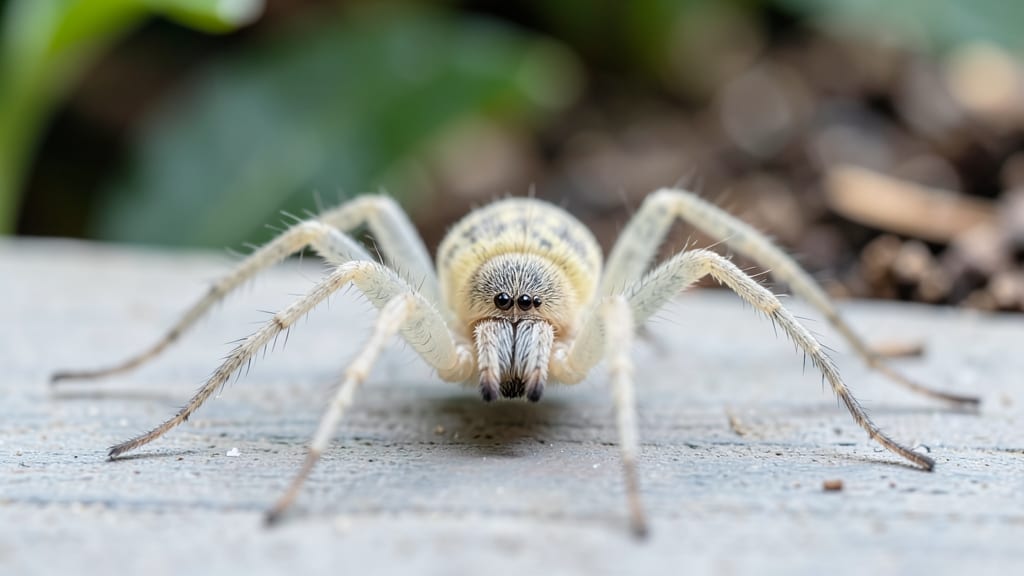
How to keep spiders from making webs on your porch without harming the ecosystem. 🕷️ The key is understanding why spiders choose your space—and then making it less appealing through simple, permanent adjustments that work year-round.
Most spiders target porches because they offer shelter, food sources (like flying insects), and easy access to your home’s structure. Instead of toxic sprays, focus on removing their motivation: seal small cracks, keep lights off at night, and eliminate standing water where mosquitoes breed.
With a few strategic tweaks—like installing fine mesh screens or placing spider-repelling plants (mint, lavender) nearby—you’ll create a natural barrier that keeps webs away while preserving beneficial insects. The results are visible within days, and the method stays effective through all seasons.
This approach works for any porch size, whether you’re dealing with a few stray strands or a full-scale spider city. The secret is making your space less inviting without disrupting the balance of your outdoor ecosystem.
The Hidden Triggers Behind Porch Webs
Spiders don’t just randomly spin webs on your porch—they’re following a mix of survival instincts, environmental cues, and architectural opportunities. Understanding these triggers is the first step to outsmarting them. Let’s break down the science behind why your porch becomes their favorite real estate.
Spiders are opportunistic predators, and your porch is essentially a five-star buffet for them. Here’s why:
- Insect Traffic: If your porch lights up at night (literally or figuratively), it’s a beacon for moths, flies, and mosquitoes—all spider fast food. 🍽️ A single orb-weaver spider can catch thousands of insects per year, and they’re drawn to areas where prey is abundant. - Stagnant Water: Puddles, leaky gutters, or even a forgotten birdbath create breeding grounds for gnats and mosquitoes.
Spiders detect these vibrational and chemical signals and set up shop nearby. - Human Habits: Leaving outdoor shoes, pet bowls, or even unsealed trash cans outside introduces protein-rich crumbs (think: dropped burger bits or spilled pet food). Spiders use their sensory hairs to detect these scent trails.
Actionable Insight: Reduce food sources by sealing trash, fixing leaks, and using yellow bug lights (which attract fewer insects than white lights).
Spiders are 8-legged real estate agents, and they prioritize three things: cover, stability, and low risk of disturbance.
- Structural Nooks: Porches are riddled with gaps, eaves, and overhangs—perfect for anchor points.
Spiders like corners, beams, and railings because these spots offer: - Wind protection (webs in open areas get torn apart). - Predator avoidance (fewer birds or lizards can reach them). - Humidity control (some species, like cellar spiders, thrive in damp corners). - Material Matters: Wooden porches with rough textures or peeling paint provide better grip for silk attachment.
Smooth surfaces (like metal railings) are less appealing unless the spider can bridge gaps with draglines.
Actionable Insight: Inspect your porch for cracks, loose boards, or debris—these are spider “condo listings.” Seal gaps with caulk or fine mesh to deny them access.
Spiders are weather-dependent, and your porch’s microclimate might be their perfect retreat.
- Temperature Zones: Porches often trap heat during the day and retain warmth at night—ideal for spiders like the golden silk orb-weaver, which prefers 70–85°F (21–29°C).
If your porch stays in this range year-round, it’s a 24/7 spider spa. - Humidity Levels: Some spiders (like house spiders) need moderate humidity to keep their webs from drying out.
A porch with partial shade and morning dew becomes a moisture oasis. - Seasonal Shifts: Spring and summer trigger mating season, causing spiders to aggressively claim territory. Female spiders, in particular, build larger, stronger webs to attract mates and secure prey.
Actionable Insight: Use ventilation fans or dehumidifiers in enclosed porches to make the space less hospitable. In winter, cover webs with a tarp to disrupt their cycles.
Spiders are sensitive to vibrations—they can detect insect wing beats, air currents, and even human footsteps up to 10 feet away. Your porch’s electrical hum or movement might be unknowingly inviting them.
- Light Pollution: Artificial lights (especially UV or blacklights) attract insects, which in turn signal spiders to set up shop.
Some species, like huntsman spiders, are even drawn to vibrations from electronics (think: buzzing lights or solar panels). - Wind Patterns: Open porches create turbulent airflows that help disperse spider silk.
However, sheltered corners (like under a roof overhang) become silk traps because the webs don’t get blown away.
Actionable Insight: Swap white porch lights for motion-sensor LEDs (which turn on only when needed) or use red bulbs (less attractive to insects). Trim back foliage that channels wind directly onto webs.
Not all spiders are created equal—and some are porch specialists. Here’s who’s likely crashing your space:
| Spider Type | Why They Love Porches | Their Web Style |
|---|---|---|
| Orb-Weavers | Build large, decorative webs in open areas. | Circular, sticky silk |
| Cellar Spiders | Thrive in dark, damp corners. | Irregular, funnel-shaped |
| Wolf Spiders | Hunt at night; avoid webs but patrol surfaces. | No webs—ambush predators |
| House Spiders | Build messy, 3D webs in sheltered spots. | Cobweb-like, tangled |
Actionable Insight: Identify the spider (check for leg patterns, body shape, or web style) to tailor your defense. For example, wolf spiders won’t build webs, so focus on sealing entry points rather than web removal.
Spiders communicate chemically—and a single web can invite a colony. Here’s how:
- Pheromone Trails: Female spiders release sex pheromones to attract males, which then stay to hunt (and may build nearby webs). - Silk Scent Markers: Spiders leave chemical signals on their webs to warn others of the area.
If one spider succeeds, others follow the “safe zone” scent. - Prey Attraction: A single web can corral hundreds of insects, creating a feedback loop where more spiders are drawn to the easy meal.
Actionable Insight: Remove webs immediately (don’t just tear them—spiders detect broken silk and may return). Use vinegar or soapy water to dissolve silk remnants, which disrupts pheromone trails.
Add up these factors to see why your porch is a magnet for webs: ✅ High insect activity (+3 points) ✅ Dark, sheltered corners (+2 points) ✅ Stable temperature/humidity (+2 points) ✅ Visible electrical lights (+1 point) ✅ Pre-existing webs (+3 points)
Score 6+? Your porch is a spider paradise—time to deploy the permanent barrier tricks from the next section! 🕸️➡️🚫
How to solve it
Now that you understand why spiders are turning your porch into their personal crafting studio, it’s time to take action! The good news? You don’t need harsh chemicals or expensive tools to keep these eight-legged artists at bay.
Below, we’ve mapped out targeted solutions based on the most common causes—so you can choose the fix that fits your porch’s personality (and your comfort level with DIY projects).
Fix: Brighten Up & Block Their Hideouts
Spiders adore cozy, shadowy spots where they can spin undisturbed.
To disrupt their real estate plans: - Install outdoor LED string lights 💡 – These not only illuminate dark corners but also deter spiders (they hate bright, flickering lights). - Add a sheer curtain or mesh screen to enclosed porch areas.
A fine mesh (like no-see-um fabric) lets airflow in but keeps spiders out. - Paint corners with white or light-colored paint – Glossy finishes reflect light, making it harder for spiders to anchor webs.
Prevention Tip: 💡 Pro tip: Place a small fan near problem areas. The gentle breeze disrupts web-spinning and makes it uncomfortable for spiders to linger.
Fix: Remove the All-You-Can-Eat Sign
Spiders are attracted to places with food sources (insects) and shelter (plants, woodpiles, clutter). Trim the menu: - Prune overgrown plants 🌱 – Keep foliage trimmed back at least 6 inches from the porch.
Spiders use plants as highways to your space. - Store firewood or mulch away – Pile it at least 20 feet from your porch and elevate it off the ground if possible. - Seal cracks in wood or brick 🔨 – Use caulk or expanding foam to close gaps where spiders (and their prey) sneak in.
Prevention Tip: ✨ Bonus: Plant spider-repelling herbs like mint, lavender, or basil near your porch. The strong scent confuses spiders and keeps them away.
Fix: Break the Food Chain
If spiders are feasting, it’s because other bugs are moving in.
Disrupt the cycle: - Set up yellow sticky traps 🎯 – These catch flying insects (like gnats and moths) before spiders get to them. - Use a vacuum with a hose attachment to suck up cobwebs and spiders daily (yes, daily!).
This removes their motivation to return. - Introduce natural predators – Ladybugs, birds, and even praying mantises eat spiders. Attract them with a small bird feeder or native plants.
Prevention Tip:** 🔥 Hot tip: Diatomaceous earth (food-grade) sprinkled lightly in corners can dehydrate spiders and insects—just avoid sweeping it into windy areas.
Fix: Seal the Gates & Install Barriers
Spiders don’t just drop in—they walk right in.
Stop them at the source: - Add door sweeps 🚪 – A weatherstripping seal on sliding or screen doors prevents spiders from crawling under. - Hang fine mesh window screens (or repair tears) – Even a tiny hole is an open invitation. - Apply double-sided tape around baseboards and trim – Spiders hate the sticky texture and will avoid it.
Prevention Tip: 🌡️ Chill trick: Spiders are less active in cold weather. If you’re dealing with a bad infestation, close off the porch in fall/winter and reopen it in spring with fresh barriers.
Fix: Non-Toxic Barriers That Last
If you’re avoiding spiders without chemicals, these long-term fixes work: - Essential oil spray 🍃 – Mix peppermint, tea tree, or eucalyptus oil with water in a spray bottle.
Reapply every 3–4 days (test on surfaces first). - Copper tape ⚡ – Spiders hate copper because it conducts electricity slightly. Stick it along railings, ledges, and corners. - Citrus or vinegar spray 🍊 – Wipe down surfaces with undiluted white vinegar or lemon juice weekly. The smell repels spiders.
Prevention Tip: 🎯 Game-changer: Ventilation is key! Install a small exhaust fan or openable vents to improve airflow—spiders dislike drafty spaces.
Fix: The Nuclear Option (When All Else Fails)
If spiders are still winning, it’s time for strategic warfare: - Remove all webs and eggs 🥊 – Use a long-handled duster to knock down webs from ceilings and corners.
Check under furniture and in crevices for egg sacs (they look like tiny white balloons). - Freeze problem areas ❄️ – On a cold day, spray webs with water and let them freeze overnight.
Spiders will abandon the icy territory. - Call in reinforcements 🦉 – If it’s a severe infestation, consider hiring a pest control pro who specializes in humane spider removal.
Prevention Tip: 💡 Final move: Reevaluate your porch’s design. If spiders keep returning, it might need a full barrier upgrade—think glass railings, sealed screens, or even a retractable awning to limit access.
Remember: The key to long-term success is consistency. Spiders are persistent, but with these targeted fixes, you’ll send them packing—for good! 🚀
Frequently asked questions
Why do spiders prefer my porch over other areas?
Porches offer spiders the perfect combo: shelter, food, and stability. Dark corners provide cover from predators, while lights attract insects they hunt. Wooden structures give them grip for webs, and partial shade maintains ideal humidity. Even small gaps in screens or cracks in wood become their "high-rise apartments."
Will removing webs just make spiders build new ones?
Not if you address the root causes! Simply tearing webs signals spiders to return within 24 hours. The key is combining removal with prevention: seal entry points, reduce insect prey, and disrupt their environment. Use vinegar or soapy water to dissolve silk remnants—this removes chemical signals that attract others.
Are there any plants that naturally repel spiders?
Yes! Strong-scented herbs like mint, lavender, or basil confuse spiders with their aromas. Place pots near porch entrances or along railings. For maximum effect, crush leaves occasionally to release more oils. Marigolds and citrus plants also work well—just keep them trimmed 6 inches away from your porch to prevent spider highways.
How often should I check for new webs?
Start with daily checks for the first week after implementing fixes, then reduce to every 2-3 days once you see improvement. Spiders rebuild quickly in ideal conditions, so consistency is key. Early morning inspections work best—spiders are most active at dawn when humidity is highest.
Can I use fans to keep spiders away?
Spiders hate air movement—it disrupts their web-spinning and makes them feel exposed. Place a small oscillating fan near problem areas on low setting (spiders avoid strong breezes). For enclosed porches, a ceiling fan running continuously works wonders. Just avoid pointing it directly at seating areas for comfort.