
How To
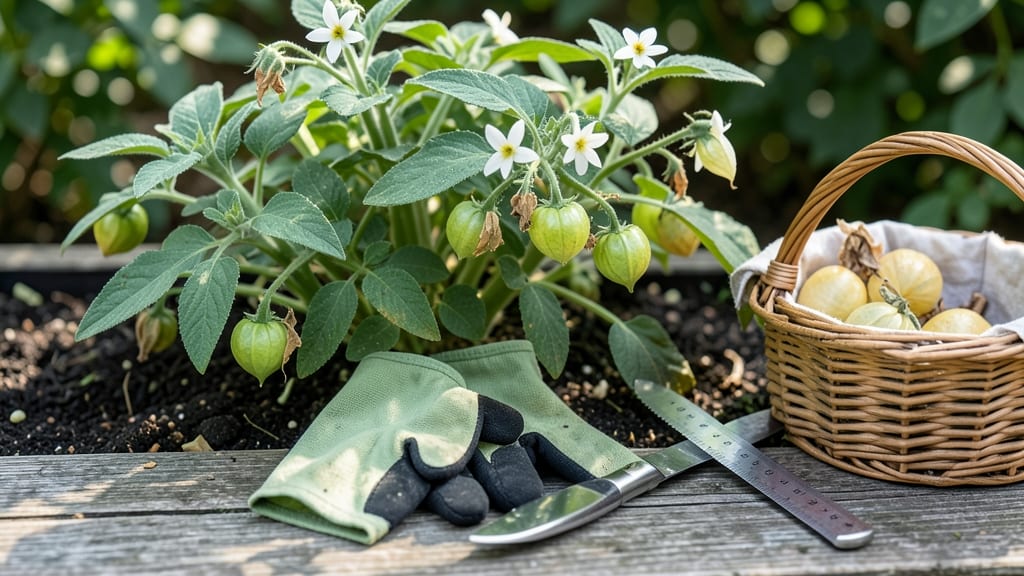
How to know when to pick tomatillos can make or break your salsa verde—because one wrong move turns tangy perfection into bitter disappointment. These little green gems 🍅 hide a secret: their ripeness isn't just about color or size, but a mix of visual cues most gardeners overlook.
Picture this: you're standing in your 6a zone garden in July, staring at a cluster of tomatillos whose husks have shifted from pale green to deep, almost emerald.
That's your first clue—but there's more. The real game-changer? How they feel when you gently squeeze them, and whether that telltale split is starting at the base.
Here's what I've learned after years of trial and error: timing matters more than you think. Pick too early, and your tomatillos will taste bland and mealy. Wait too long, and they'll turn rubbery or even rot.
The difference between perfect and ruined comes down to three key visual cues that most gardeners miss until it's almost too late.
Let me show you how to spot those signs—plus the simple touch and smell tests that confirm ripeness—so you can harvest tomatillos at their peak for the best flavor in your cooking. No more guesswork, just delicious results every time.
3 Key visual cues for picking perfectly ripe tomatillos
Tomatillos thrive when harvested at the right moment, but many gardeners struggle to spot the subtle signs of ripeness. Unlike tomatoes, these green husk-covered fruits don’t ripen on the vine after picking. Instead, they need precise timing to deliver that tangy, citrusy flavor we love in salsa verde.
I’ve learned the hard way that overripe tomatillos turn mealy and bitter, while underripe ones lack sweetness. The secret lies in three visual cues most gardeners miss: husk color, size, and texture. Master these, and you’ll never waste another harvest.
🌱 3 Visual Cues for Perfect Tomatillos
-
1. Deep Green Husks
Husks should be bright, deep green—not pale or white. Think of a lime’s vibrant hue, not a wilted lettuce leaf. -
2. Papery-Dry Texture
Gently rub a husk—it should feel dry and crisp, like parchment paper. If it’s sticky or moist, wait longer. -
3. 1–2 Inch Diameter
Tomatillos should be golf-ball sized (1–2 inches). Smaller ones are underripe; larger ones may be overripe.
Let’s break down each cue with real-world examples so you can avoid common mistakes. For instance, I once picked tomatillos with pale husks because I assumed size mattered most—only to end up with a sour, bland salsa.
The husk color is your first clue. When tomatillos are ready, their husks turn from pale green to deep, glossy green, almost like emeralds. This change signals the fruit inside has developed its signature tart-sweet balance.
Pro tip: Check husks in morning light—artificial light can trick you into thinking they’re riper than they are.
Size matters, but not in the way you’d expect. A 1-inch tomatillo is usually underripe, while a 3-inch one might be overripe. Aim for 1.5–2 inches, the goldilocks zone for flavor.
I measure mine against a quarter for quick reference—it’s a trick I learned from a Mexican market vendor.
Texture is the final judge. A ripe tomatillo’s husk should crackle slightly when touched, like dry corn husks. If it feels leathery or sticky, the fruit inside is likely underdeveloped.
Overripe husks, meanwhile, may split open naturally, exposing the fruit—a sure sign it’s past its prime.
Here’s a quick test I use: Hold a tomatillo in your palm and give it a gentle squeeze. It should yield slightly, like a firm grape, but not feel mushy.
If it’s rock-hard, it’s too early; if it’s soft or wrinkled, it’s too late. This tactile check saves me from bitter harvests every season.
One common misconception is that tomatillos must be fully dry before picking. Not true! The husks should be dry to the touch, but the fruit inside should still feel plump and firm. I’ve seen gardeners wait until husks crumble—that’s a sign of overripeness, not readiness.
Variety also plays a role, but these three cues apply universally. Whether you’re growing ‘Green Streak’ or ‘Purple’ tomatillos, the husk’s dryness, deep color, and size are your best friends. Next time you’re in the garden, grab a handful and test them—your taste buds will thank you.
Remember: Ripe tomatillos are the key to bright, tangy salsa verde. Master these cues, and you’ll never settle for second-best flavor again. Happy harvesting! 🌿
3 Key visual cues for picking perfectly ripe tomatillos
Picking tomatillos at the right moment transforms your salsa verde from sour to perfectly tangy. The trick lies in three visual cues most gardeners miss: husk color, size, and texture.
Unlike tomatoes, tomatillos don’t ripen red—they stay green but develop subtle changes that signal peak flavor. Ignoring these cues often leads to harvests that are either underripe (mealy) or overripe (bitter).
First, focus on the husk color. When mature, tomatillo husks shift from pale green to a deep, vibrant green. This isn’t the same as a tomato’s red ripeness—it’s about the husk becoming papery dry to the touch.
Many gardeners mistake pale husks for readiness, but these indicate immature tomatillos. The color change is your first green light for harvest.
Next, check the size. Ready-to-pick tomatillos measure about 1-2 inches in diameter—roughly the size of a golf ball. Smaller ones (less than 1 inch) are underripe and lack flavor, while larger ones risk becoming woody or bitter.
Pro tip: Use a ruler to measure a few samples if you’re unsure. Varieties like 'Green Giant' reach this size faster than 'Purple' types, so adjust your timeline accordingly.
Don’t overlook the texture test. Gently squeeze the husk—it should feel dry and papery, almost like crumpling tissue paper. If it’s still moist or sticky, the tomatillos need more time.
Overripe husks may even split open naturally, which is your final cue to harvest before they spoil. This tactile check is especially useful in humid climates where husks can stay damp longer.
One common mistake? Harvesting based on fruit color alone. The actual tomatillo inside the husk stays green at peak ripeness—it won’t turn yellow or red like a tomato. The husk’s transformation is your only visual guide.
For purple varieties, the husk may have a slight lavender tint, but the dry, papery texture remains the same reliability indicator.
Timing matters too. In USDA Zone 6a, aim to harvest between July and September, when daytime temps hover around 75-85°F. Early morning is ideal—husks are cooler and firmer, making it easier to spot the deep green and papery cues.
Wait until after sunrise to avoid mistaking dew-damp husks for unripe ones.
Master these three cues, and you’ll never again pick tomatillos that turn your salsa into a sour disappointment. The next step? Learn how varieties like 'Green Streak' or 'Purple' tweak these ripeness signals—each has its own subtle quirks. 🌿