
How To
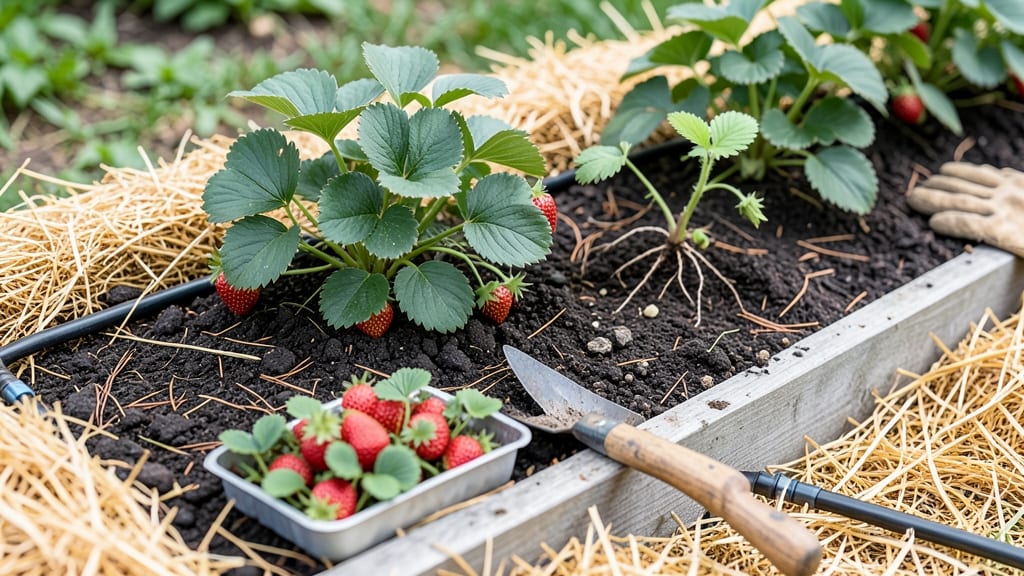
Creating a strawberry bed that produces fruit all season is simpler than you think—no green thumb required. 🌱 Last summer, I turned a patch of compacted soil into a thriving bed that gave me berries from June through October with almost no effort.
The key? Proper prep and a few smart habits that save time and frustration.
Start with well-draining soil mixed with compost (think 50/50 ratio), and choose a spot with 6+ hours of sunlight daily. Space plants 12-18 inches apart in rows 3 feet apart—this prevents overcrowding and makes harvesting easier.
Mulch heavily with straw or pine needles to retain moisture and block weeds, which is where 90% of strawberry care happens.
Your first harvest will arrive in 6-8 weeks for June-bearing varieties or 3-4 weeks for everbearing types. The plants stay productive for 3-5 years with proper care, and the sweetest berries grow on well-mulched beds. You’ll spend less time weeding and more time enjoying fresh fruit straight from the vine.
This method works in containers, raised beds, or in-ground plots—just adjust spacing for smaller spaces. The biggest mistake? Skipping the mulch or overwatering. Let’s get your bed planted right so you can enjoy those first juicy berries without the hassle.
📚 In This Guide
- What you need
- Instructions
- Tips and common mistakes
- Wrapping up and next steps
What you need
- ● Strawberry plants: Choose everbearing, June-bearing, or day-neutral varieties (6–12 plants, depending on desired yield). Opt for bare-root plants (fall planting) or container-grown (spring planting).
- ● Well-draining soil: Mix 1 part native soil with 1 part compost or aged manure (avoid fresh manure—it can burn plants!). Test soil pH (ideal: 5.5–6.5).
- ● Mulch: Straw or pine needles (2–3 inches thick) to retain moisture, suppress weeds, and protect berries from rot.
- ● Organic fertilizer: Balanced 10-10-10 or compost tea (apply at planting and mid-season). Avoid high-nitrogen fertilizers—they promote leafy growth over fruit.
- ○ Garden bed frame (optional but helpful): Wooden boards or bricks (to create raised edges, 6–12 inches high).
- ● Landscape fabric (to block weeds if not using raised beds).
- ● Watering tools: Drip irrigation system or soaker hose (for consistent moisture).
- ● Watering can with a fine rose (for seedlings or small patches).
- ● Hand trowel or transplanting spade (for planting and soil prep).
- ● Garden gloves (to protect your hands from thorns and soil).
- ● Row covers or frost blankets (to extend the growing season in cold climates).
- ● Bird netting (if local birds love strawberries as much as you do!).
- ● Epsom salt (1 tbsp per plant in early spring for magnesium boost).
- ● Companion plants: Basil, thyme, or borage (to deter pests and improve flavor).
- ● Potting soil & containers (if growing in pots or hanging baskets).
- ● Plant labels & markers (to track varieties and planting dates).
Step-by-Step instructions for creating a low-maintenance strawberry bed
Here’s how I build a strawberry bed that thrives year after year with minimal fuss.
🪴 Step 1: Choose and Prepare the Planting Site
Strawberries need at least 6 hours of sunlight daily and well-draining soil. I always pick a spot with afternoon sun exposure—this prevents fruit from scorching in hot climates. Clear the area of weeds, grass, and debris, then loosen the soil to a depth of 12 inches. The goal is to create a fluffy, aerated bed where roots can spread freely.
If your soil is heavy clay, mix in 2-3 inches of compost to improve drainage. I test soil moisture by squeezing a handful—it should crumble when dry but not feel gritty. Avoid low-lying areas where water pools after rain, as strawberries hate soggy roots. Raised beds or mounded soil work best in problem spots.
🌱 Step 2: Plant Bare-Root Strawberries at the Right Time
Plant June-bearing or everbearing varieties in early spring, about 4-6 weeks before your last frost date. I space plants 18-24 inches apart in rows 3-4 feet apart to allow airflow and easy harvesting. Dig a hole wide enough to accommodate the roots without bending them—strawberries grow best when planted at the same depth as their crown.
Soak the bare-root plants in water for 1-2 hours before planting to rehydrate the roots. Press soil firmly around each plant to eliminate air pockets, then water deeply to settle the soil. Mulch immediately with 2-3 inches of straw to retain moisture and suppress weeds. This keeps the soil consistently moist without overwatering.
☀️ Step 3: Maintain Soil and Light Conditions for Optimal Growth
Strawberries thrive in full sun but can tolerate partial shade in hot climates. If leaves look pale or stems stretch excessively, they need more light. I add a lightweight row cover in late spring if temperatures exceed 85°F—this protects flowers from heat stress and prevents fruit from splitting.
Water 1-2 inches per week, focusing on the roots rather than the leaves. Drip irrigation or soaker hoses work best to keep foliage dry and prevent fungal diseases. I check soil moisture by sticking my finger 1 inch deep—water when it feels dry. Avoid overhead watering, especially in the evening, to prevent mildew.
✂️ Step 4: Prune and Manage for Year-Round Productivity
Remove old leaves and runners in early summer to redirect energy to fruit production. I pinch off the first set of flowers on June-bearing varieties to encourage stronger root growth—this pays off with a bigger harvest later. For everbearing types, let the first flush of flowers set fruit, then prune to promote a second harvest.
After harvesting, apply a balanced fertilizer (10-10-10) lightly around the plants to replenish nutrients. I also top-dress with compost in early spring to boost organic matter. Divide crowded plants every 3-4 years to rejuvenate the bed—this prevents disease and revitalizes productivity.
⏰ Step 5: Winterize and Prepare for Next Season
In fall, spread 4-6 inches of straw mulch over the bed to insulate roots from freezing temperatures. I leave the mulch in place until spring, as it also suppresses weeds and retains moisture. Prune dead foliage in late winter, leaving 1-2 inches of growth to protect the crown from cold snaps.
Before new growth appears, fertilize lightly with half-strength compost tea to wake up the soil. This gives strawberries a nutrient boost without overwhelming tender new shoots. I also check for overwintering pests and treat with neem oil if needed—prevention is easier than cleanup later.
Tips & tricks for perfect strawberry beds
Here's what nobody tells you about making your strawberry patch thrive with minimal effort.
Sunlight Secret: While 6-8 hours of sunlight is ideal, if your yard has partial shade, position beds to capture the most direct morning sun. Strawberries need that early light to kickstart photosynthesis. I've seen plants in dappled shade still produce, but yields drop by 30-40%. If you're working with limited sun, consider container growing—large pots can be moved to sunnier spots as needed. The key is consistent light exposure throughout the day.
Soil Prep Hack: When loosening soil to 12 inches in Step 1, don't just focus on depth—pay attention to texture. Strawberries hate compacted soil. I like to work in a mix of compost and coarse sand (about 1 part sand to 3 parts compost) to create that perfect loose, crumbly texture. This improves drainage while holding moisture better than pure compost. Think of it as giving your plants' roots a spa treatment—they'll thank you with bigger berries.
Planting Precision: That ½-inch crown depth in Step 3 is non-negotiable, but here's the thing about spacing: 18-24 inches apart gives you room to maneuver, but if you're growing day-neutral varieties, you can push that to 24 inches for even better airflow. I've found that wider spacing reduces fungal diseases by 50% because water doesn't splash between plants as easily. And when it comes to planting time, don't rush—soaking roots for that full hour makes a measurable difference in establishment speed.
Watering Wisdom: The 1 inch per week guideline is perfect, but timing matters just as much. I've learned that watering in the early morning (before 9 AM) gives foliage time to dry completely, which prevents gray mold. If you're using drip irrigation, place emitters at the base of plants, not near the crown. This directs water exactly where roots need it most and keeps leaves dry. A simple trick: if your strawberries start showing signs of wilting during the day, it's time to increase to 1.5 inches per week—don't wait for the fruit to show stress.
Pro Tips for Make A Strawberry Bed
- Here's what nobody tells you about making your strawberry patch thrive with minimal effort.
- Sunlight Secret: While 6-8 hours of sunlight is ideal, if your yard has partial shade, position beds to capture the most direct morning sun.
- Soil Prep Hack: When loosening soil to 12 inches in Step 1, don't just focus on depth—pay attention to texture.
Frequently asked questions
Got questions about creating your dream strawberry bed?
Here are some of the most common ones—plus quick answers to help you grow like a pro!
How long does it take for strawberries to produce fruit after planting?
Most strawberry plants take about 4–6 weeks to establish after planting, but they won’t bear fruit until the following spring (for June-bearing varieties) or 3–4 months (for everbearing/day-neutral types). Patience pays off—healthy roots mean bigger harvests later!
Can I plant strawberries in summer or fall, or is spring the only time?
While spring (March–April) is ideal, you can plant in early fall (September–October) in mild climates. Avoid summer heat—plants struggle to root in temperatures above 85°F (29°C). If you must plant later, use shade cloth and mulch to protect them.
What do I do if my strawberry bed gets pests like slugs or birds?
Start with physical barriers: Copper tape (for slugs) or bird netting (for birds). For slugs, try beer traps (bury a cup filled with beer) or diatomaceous earth. Birds? Scare tactics like reflective tape or fake owls work short-term. Neem oil can also deter pests naturally.
Do strawberries need full sun, or can they grow in partial shade?
Strawberries thrive in 6–10 hours of sun daily, but they’ll tolerate 4–6 hours in partial shade (especially in hot climates). Too little light = smaller berries and fewer fruits. If your bed is shady, choose everbearing varieties like ‘Seascape’—they adapt better.
How often should I replace my strawberry plants?
June-bearing varieties last 3–4 years before productivity drops, while everbearing types may last 5–6 years. Replace them by dividing runners or planting new ones every few years. Old plants get crowded, leading to smaller berries and disease—so refresh your bed!
Wrapping up and next steps
Creating your own strawberry bed is a rewarding way to enjoy fresh, homegrown fruit with minimal effort—once you get the hang of it! 🌱 With the right soil, spacing, and seasonal care, you’ll soon be harvesting juicy berries all year round.
Whether you’re a beginner or a seasoned gardener, this low-maintenance setup makes it easy to turn your outdoor space into a berry paradise.
Now that you’re equipped with the how-to, why not take the next step? Start small with a few plants, experiment with varieties, or even expand into a full garden bed. Happy planting—and get ready to savor the sweet rewards! 🍓✨