
How To
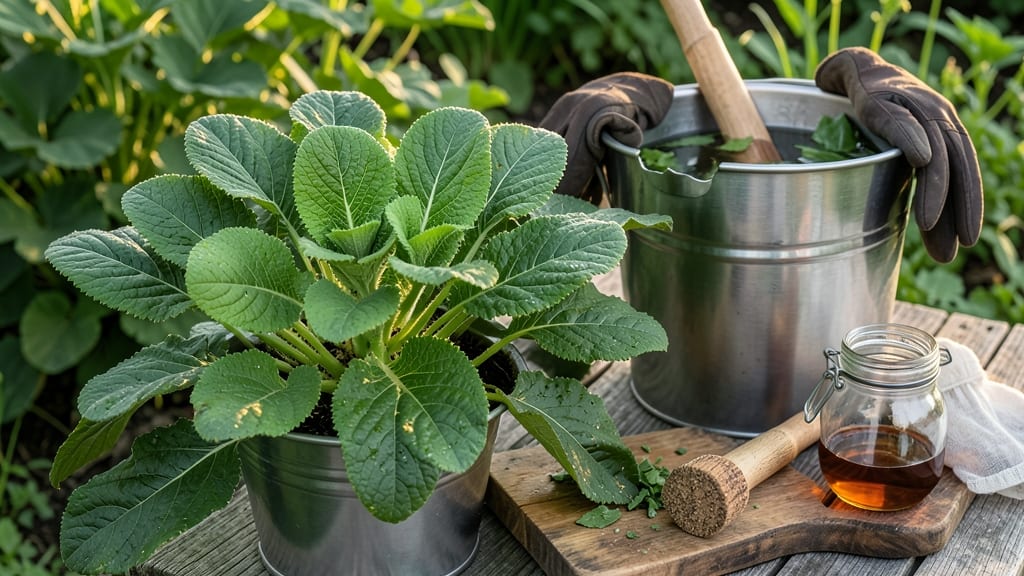
Making comfrey tea transforms your garden’s most dynamic plant into a nutrient-rich elixir for soil and skin. 🌿 I’ve used this simple method for years to boost my garden’s health—no fancy equipment needed, just fresh leaves and a pot of boiling water.
The process starts with harvesting young, tender leaves (avoid woody stems) and steeping them in hot water for 24 hours. This creates a potent liquid fertilizer packed with potassium, nitrogen, and trace minerals that revitalize depleted soil.
The same brew, when diluted, can soothe minor skin irritations—just like my grandmother swore by.
You’ll end up with a deep amber tea that smells earthy and fresh, ready to feed your plants or add to compost. It’s a game-changer for revitalizing tired garden beds or giving houseplants a nutrient boost. Just remember: comfrey contains pyrrolizidine alkaloids, so use it sparingly—never ingest it.
Sustainable harvesting is key: never take more than one-third of the plant’s leaves at a time, and always leave the center intact. This ensures your comfrey keeps thriving for years, giving you an endless supply of this multi-purpose garden ally.
📚 In This Guide
- What you need
- Instructions
- Tips and common mistakes
- Wrapping up and next steps
What you need
- ● Fresh or dried comfrey leaves – 1 cup (about 30-40g). Use organic leaves if possible for purity.
- ● Filtered or spring water – 2 cups (16 oz or 480ml). Avoid tap water with chlorine or heavy metals.
- ● Stainless steel or glass pot – For brewing (avoid aluminum or reactive metals).
- ● Fine-mesh strainer or cheesecloth – To filter out leaf particles.
- ○ Airtight container or jar – For storing the tea (optional but recommended).
- ● Honey or raw sugar – To sweeten if desired (comfrey has a naturally earthy taste).
- ● Lemon juice – A splash to enhance flavor or aid digestion.
- ● Herbal infusions (e.g., chamomile, peppermint) – For blending complementary flavors.
- ● pH strips or digital scale – If using tea for garden fertilization (to monitor potency).
- ● Ice cube tray – For freezing comfrey tea into cubes for later use.
Tips & tricks for perfect comfrey tea
Real talk: Comfrey tea is one of nature's most versatile elixirs, but getting it right takes a few key tricks to maximize its benefits without wasting your time or ingredients.
Harvesting and Chopping: The ½-inch chop size in Step 1 is perfect because smaller pieces release nutrients faster, but don't over-process—comfrey leaves should still retain some structure. I use a food processor for speed, but if you're chopping by hand, work in small batches to avoid bruising the leaves, which can lead to bitterness during steeping. Harvesting in the morning after dew has dried is non-negotiable—morning leaves contain the highest concentration of beneficial compounds.
Steeping Secrets: The 3-5 day steeping window is crucial because that's when the maximum nutrients leach out, but timing matters. If your kitchen stays consistently warm (above 75°F), you might need to reduce steeping to 3-4 days to avoid fermentation. Stirring once daily isn't just for show—it helps break down plant cells and speeds up nutrient extraction. I've learned this the hard way after ruining batches that sat unstirred for days.
Straining and Storage: When you're pressing out every last drop in Step 3, use a clean kitchen towel as a backup filter—it catches those final nutrient-rich drips that would otherwise go to waste. For storage, I always fill the container to the brim before sealing to minimize air exposure, which helps preserve the tea's potency. The 1:10 dilution ratio for soil is ideal, but for sensitive plants like tomatoes, you can go even stronger at 1:8 if you're monitoring closely.
Application Wisdom: For skin applications, the 1:20 dilution is a good starting point, but everyone's skin reacts differently. I recommend testing on a small patch of skin behind your ear first—if there's no reaction after 24 hours, you're good to go. When using on soil, always apply in the early morning so the nutrients have time to absorb before the heat of the day. The 2-4 week application schedule works well, but during peak growing season, you can safely increase to every 2 weeks for heavy feeders like corn or squash.
Pro Tips for Make Comfrey Tea
- Real talk: Comfrey tea is one of nature's most versatile elixirs, but getting it right takes a few key tricks to maximize its benefits without wasting your time or ingredients.
- Harvesting and Chopping: The ½-inch chop size in Step 1 is perfect because smaller pieces release nutrients faster, but don't over-process—comfrey leaves should still retain some structure.
- Steeping Secrets: The 3-5 day steeping window is crucial because that's when the maximum nutrients leach out, but timing matters.
Frequently asked questions
about making comfrey tea—your go-to guide for clarity and confidence! Whether you're a gardener, herbalist, or just curious, these answers cover the basics and beyond.Can I use dried comfrey leaves instead of fresh?
Dried comfrey works just as well—just steep double the amount (e.g., 2 tbsp dried per cup) since dried leaves are more concentrated. Store dried leaves in an airtight container away from light to preserve potency. Pro tip: Crumble dried leaves before steeping for faster infusion!
How long should I steep comfrey tea for optimal benefits?
For a mild, soil-friendly tea, steep for 10–15 minutes. For stronger medicinal or skin applications (like compresses), steep up to 20 minutes. Over-steeping can make it bitter, so taste-test if using it for tea. Hot tip: Strain immediately if using fresh leaves to avoid sliminess!
Is comfrey tea safe for internal use?
Comfrey tea is not recommended for drinking due to potential liver toxicity from pyrrolizidine alkaloids (PAs). Stick to external uses like skin rinses, compost tea, or garden sprays. Pregnant women, children, and those with liver conditions should avoid it entirely. When in doubt, consult a healthcare provider!
Can I reuse comfrey tea leaves after steeping?
Yes! After steeping, squeeze out the leaves and compost them—they’re nutrient-rich! For garden use, you can even re-steep them once more with fresh hot water (though potency will drop). Just avoid reusing for skin applications, as bacteria may grow after cooling.
What if my comfrey tea tastes too strong or bitter?
Bitter taste usually means over-steeping or using too many leaves. Dilute with water or a splash of honey/lemon to mellow it out. For garden use, strain through a fine mesh to remove excess plant matter. Fix it fast: Add a pinch of sea salt or a few drops of apple cider vinegar to balance flavors!
Are there alternatives to comfrey for garden tea?
If comfrey isn’t available, try nettle, chamomile, or plantain tea for similar soil benefits. Nettle is especially rich in nutrients, while chamomile adds mild antimicrobial properties. Just adjust ratios—nettle needs steeping longer (20+ minutes) for full potency.
Wrapping up and next steps
Making comfrey tea is a simple yet powerful way to harness nature’s healing benefits—whether for your skin, soil, or overall wellness. With just a few leaves and a little patience, you’ve unlocked a versatile elixir that’s as kind to the earth as it is to your body. 🌿
Ready to explore more? Try experimenting with comfrey-infused skincare or even growing your own plants for a sustainable supply. Your journey to natural wellness starts with a single cup—cheers to health and harmony! ✨