
Orchid Care
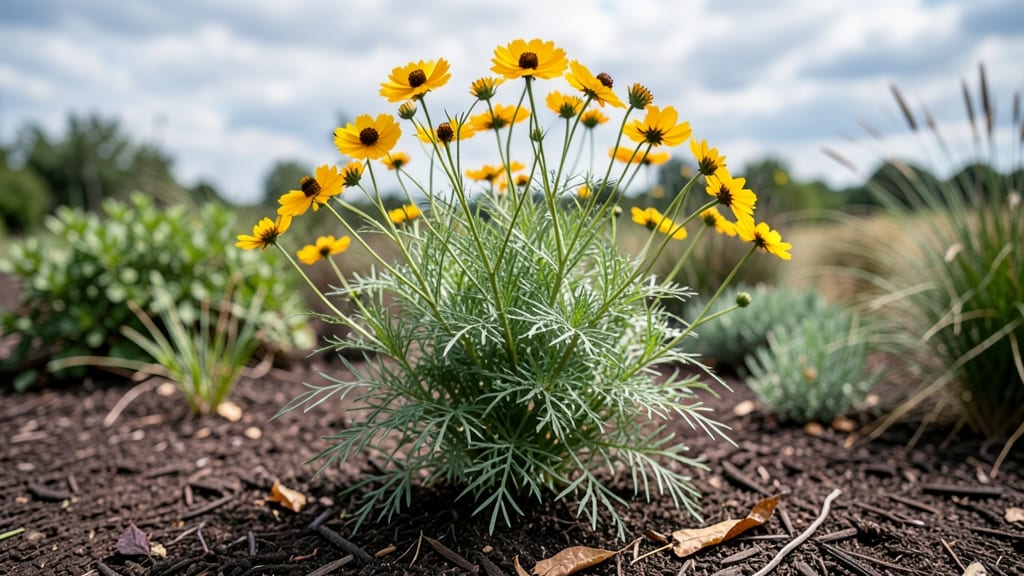
How to care for tickseed coreopsis is easier than you think—this tough perennial thrives where others struggle. 🌻 That first flush of golden blooms in spring—bright, cheerful, and impossible to kill—is what makes this perennial a garden favorite. I’ve grown mine for five seasons now, and it’s never needed more than basic care to reward me with months of color and zero fuss.
The secret lies in its drought tolerance and sun-loving nature. Plant it in full sun with well-draining soil, water it occasionally (never soggy), and watch it spread effortlessly.
Even in my dry summer heat, it blooms nonstop from spring until frost. The only real rule? Don’t overwater—this plant would rather wilt a little than drown.
By late summer, you’ll prune back the spent blooms to encourage a second flush, and in fall, you’ll leave the dead stems for winter interest. It self-seeds happily, so you’ll have baby plants popping up everywhere next spring. The result? A low-maintenance goldmine of flowers that hummingbirds adore.
Perfect for borders, wildflower gardens, or even containers—it’s the kind of plant that makes gardening feel like a victory. Let’s get yours growing strong with just a few simple steps.
📚 In This Guide
- What you need
- Instructions
- Tips and common mistakes
- Wrapping up and next steps
What you need
- ● Well-draining potting mix: 10-12 quarts (or enough to fill your pot). Opt for a blend with perlite or sand (20-30% by volume) to prevent root rot.
- ● Containers: Pots with drainage holes (6-12 inches in diameter, depending on plant size). Terracotta or ceramic works best!
- ● Tickseed seeds or nursery plants: Choose disease-resistant varieties like 'Moonbeam' or 'Zagreb' for easier care.
- ● Slow-release fertilizer: A balanced 10-10-10 or organic option (like composted manure) to feed your plants for 2-3 months.
- ● Pruning shears: Sharp, clean shears for trimming spent blooms and shaping the plant.
- ● Watering can or hose with a gentle nozzle: Avoid overwatering—tickseed hates soggy roots!
- ● Mulch: Organic mulch (like pine bark) to retain moisture and suppress weeds.
- ● Garden gloves: To protect your hands while handling thorny stems or soil.
- ● Plant supports (stakes or cages): For taller varieties like 'Red Lion' to keep them upright.
- ● Grow lights or sunlamps: If growing indoors and natural light is limited.
- ● Compost tea or liquid fertilizer: For a mid-season nutrient boost (dilute to half-strength!).
Step-by-step guide to growing thriving tickseed Coreopsis
Tickseed Coreopsis is one of those perennials that rewards patience with bold, cheerful blooms. Here’s how to keep it flourishing with minimal fuss.
☀️ Step 1: Choose the Perfect Sunlit Spot
Tickseed Coreopsis thrives in full sun—at least 6-8 hours of direct light daily. I always pick the sunniest corner of my garden because this plant simply won’t perform well in shade. The more sunlight, the brighter and more abundant the blooms. If you’re planting in containers, place them on a south- or west-facing patio where they’ll get maximum exposure.
Watch for signs of stress: if leaves yellow or stems stretch thin, your plant is reaching for light. That’s your cue to move it to a sunnier location immediately. Coreopsis is drought-tolerant once established, but it needs strong light to develop those signature daisy-like flowers.
💧 Step 2: Water Deeply but Infrequently
Once established, tickseed Coreopsis is remarkably low-maintenance when it comes to water. During the first growing season, water once a week or when the top 2 inches of soil feel dry. After that, you can often go 2-3 weeks between waterings—this plant stores moisture efficiently. The key is deep watering: soak the soil until water runs out the drainage holes, then let it dry completely before watering again.
Overwatering is the biggest mistake gardeners make with Coreopsis. You’ll know you’re doing it right when the soil feels dry to the touch at the surface. If leaves wilt in extreme heat, give it a drink—but don’t let it sit in soggy soil. This plant hates wet feet and can develop root rot if kept too damp.
✂️ Step 3: Deadhead and Prune for Continuous Blooms
Here’s where the magic happens: deadheading spent blooms encourages nonstop flowering. As soon as a flower fades, pinch it off with your fingers or snip it with clean shears. I do this every 2-3 days during peak bloom season (spring through fall). You’ll see new buds forming within a week—that’s your signal everything is working.
In early spring, give your Coreopsis a light trim to remove any dead or damaged stems. This also helps shape the plant and encourages bushier growth. Avoid cutting into old wood, though—tickseed Coreopsis blooms on new growth, so prune just above a set of healthy leaves. This keeps the plant compact and flowering for months.
🌿 Step 4: Feed Lightly for Vibrant Growth
Coreopsis isn’t a heavy feeder, but a balanced, slow-release fertilizer in early spring gives it the boost it needs. I use a 10-10-10 formula at half strength—just follow the package instructions and dilute it. Apply it after the first flush of new growth appears, usually in late April or early May, depending on your climate. This timing ensures the plant has energy for blooming rather than leafy growth.
Avoid fertilizing in late summer or fall—this can stimulate tender new growth that won’t survive winter. Instead, focus on keeping the soil healthy with a 2-inch layer of mulch around the base. This helps retain moisture, regulates soil temperature, and protects roots during cold snaps. Use organic mulch like shredded bark or straw for best results.
⏰ Step 5: Prepare for Winter Dormancy
Tickseed Coreopsis is hardy in most climates, but it does go dormant in winter. Once temperatures drop below 30°F, the plant will look dormant—don’t panic. Cut back dead foliage in late winter or early spring (just before new growth appears) to tidy up the plant. This also prevents disease by removing any lingering debris where pests might hide.
If you live in a particularly cold region (below Zone 5), add a 3-inch layer of mulch around the base of the plant before the first frost. This extra insulation helps protect the roots. In spring, remove the mulch once new shoots appear—you’ll see them popping through the soil in late March or early April, depending on your location.
Tips & tricks for perfect tickseed Coreopsis care
These simple yet game-changing strategies will help you transform your tickseed coreopsis into a blooming powerhouse that thrives year after year.
Sunlight Strategy: While the instructions mention 6-8 hours of full sun, I've found that plants in hotter climates (zones 7-9) actually perform better with a slight afternoon shade adjustment during peak summer months. Look for leaves that start to yellow or crisp at the edges—this is your plant's way of saying "I need a break." A simple shade cloth or positioning near taller plants can work wonders without sacrificing overall sun exposure.
Watering Wisdom: The 1-2 inches per week guideline is perfect, but timing matters just as much. I water my tickseed coreopsis in the early morning (between 6-8 AM) to allow foliage to dry completely before evening. This simple shift has nearly eliminated powdery mildew issues I used to battle. For containers, I've found that adding a layer of gravel at the bottom improves drainage and prevents root rot—especially important if you're using those cute decorative pots.
Pruning Precision: When deadheading every 2-3 weeks, I've discovered a little secret that makes the job easier: Use your fingernails to pinch off the spent blooms rather than pruners. This gives you more control and prevents accidental damage to new buds. For the late fall pruning to 3-4 inches, I mark the cutting line with a white chalk line on my pruners—this helps me maintain consistent height across multiple plants and creates a clean look.
Fertilizer Finesse: The ½ teaspoon of 10-10-10 fertilizer recommendation is spot-on, but here's what I do differently: I mix it with a handful of worm castings when applying. The castings provide beneficial microbes that help the plant absorb nutrients more efficiently. For the low-phosphorus 5-5-5 application, I focus on the outer third of the plant's root zone rather than the center—this encourages outward growth rather than just upward shoots.
Pro Tips for Care For Tickseed
- These simple yet game-changing strategies will help you transform your tickseed coreopsis into a blooming powerhouse that thrives year after year.
- Sunlight Strategy: While the instructions mention 6-8 hours of full sun, I've found that plants in hotter climates (zones 7-9) actually perform better with a slight afternoon shade adjustment during peak summer months.
- Watering Wisdom: The 1-2 inches per week guideline is perfect, but timing matters just as much.
Frequently asked questions
Got questions about keeping your Coreopsis tickseed thriving? You’re not alone! Here are some of the most common concerns—plus quick, actionable answers to keep those cheerful blooms coming.
How often should I water tickseed coreopsis?
Water deeply but infrequently—about once a week (or when the top inch of soil feels dry). Overwatering is the #1 killer! These drought-tolerant plants hate soggy roots, so well-draining soil is key. In extreme heat, give them a little extra love, but avoid soggy conditions.
When is the best time to prune tickseed coreopsis?
Prune in early spring (before new growth starts) or after the first flush of blooms fades. Cut back 1/3 of the plant to encourage bushier growth and more flowers. Skip fall pruning—let the plant rest naturally. Pro tip: Deadhead spent blooms throughout the season to prolong flowering!
Can tickseed coreopsis grow in shade? What’s the ideal light?
While they tolerate partial shade (especially in hot climates), they thrive in full sun (6+ hours/day) for the most vibrant blooms. In shady spots, expect fewer flowers but still sturdy growth. If your garden is low-light, choose a Coreopsis verticillata variety—they adapt best to shade.
What pests or diseases should I watch for?
Tickseed coreopsis is low-maintenance, but keep an eye out for aphids, spider mites, or powdery mildew in humid climates. Treat aphids with a strong spray of water or insecticidal soap. For mildew, improve airflow and avoid overhead watering. Most issues stem from poor drainage—so prioritize that!
Is tickseed coreopsis deer-resistant? Will rabbits eat it?
While not fully deer-proof, tickseed coreopsis is less appealing to deer and rabbits than other perennials. For extra protection, plant it near deer-resistant companions like lavender or Russian sage. If nibbling occurs, try a light fence or repellent spray around new seedlings.
Wrapping up and next steps
Caring for tickseed coreopsis is a breeze once you know the basics—sunlight, well-draining soil, and occasional deadheading are all it takes to enjoy stunning, low-maintenance blooms all season long! 🌸 With its drought tolerance and cheerful colors, this plant rewards effortless gardening while adding beauty to your space.
Now that you’re armed with tips, why not expand your garden or share your newfound knowledge with fellow plant lovers? Happy gardening!
Next steps:
- 🌱 Plant a few more in sunny spots for a pop of color!
- 📸 Snap photos of your thriving tickseed and tag us—we’d love to see them!
- 💬 Ask questions in the comments if you’re still curious!