
Companion Plants
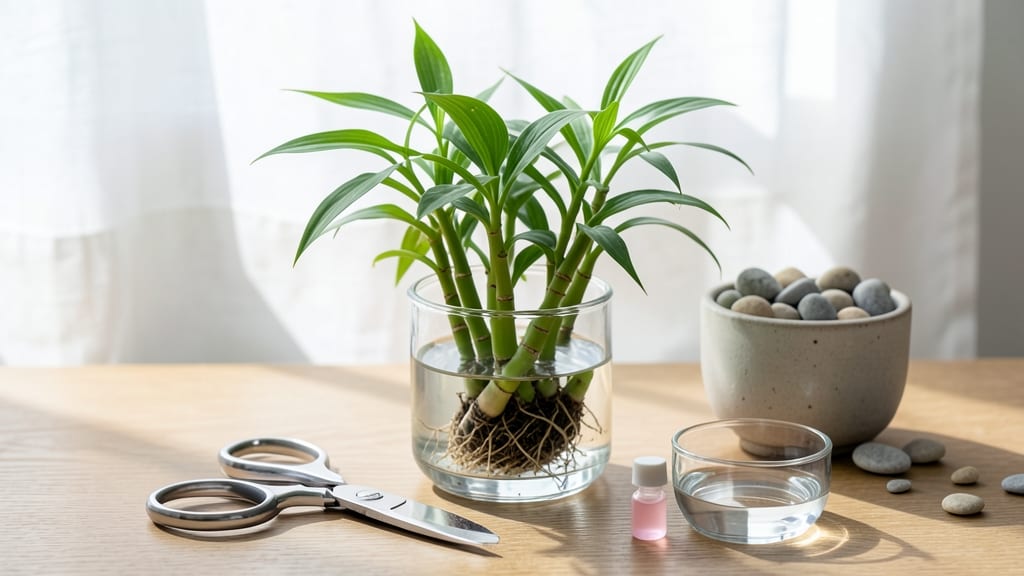
How to cut bamboo plants can double your clumps this season with just a few sharp cuts. ✂️ I’ve turned my sparse bamboo edges into thick, lush screens by mastering the right pruning technique—no guesswork, just strategic cuts that encourage bushier growth without stressing the plant.
The secret isn’t just when to cut (late winter or early spring, when the plant is dormant) but how—thinning out older canes while preserving younger shoots. Running bamboo needs more aggressive containment, while clump-forming types respond well to selective pruning.
Most gardeners over-cut, which weakens the plant, so we’ll focus on removing no more than one-third of the oldest canes at a time.
By summer, you’ll see fresh green shoots pushing through, and the plant will look fuller than ever. The right cuts also reduce the risk of pests and diseases by improving airflow, so your bamboo stays healthy and productive. Just grab your pruners, gloves, and a clear day—this won’t take long.
We’ll cover the tools you’ll need, the exact cuts to make (and avoid), and how to handle the cuttings for propagation. Even if you’ve struggled with bamboo before, this method works—no black thumbs required.
📚 In This Guide
- What you need
- Instructions
- Tips and common mistakes
- Wrapping up and next steps
What you need
- ● Sharp pruning shears or loppers: Choose bypass pruners (for small stems) or loppers (for thicker culms, up to 2 inches). Sterilize with rubbing alcohol before and after use to prevent disease spread. Quantity: 1 pair.
- ● Garden gloves: Heavy-duty, nitrile-coated gloves (thickness: 12-14 mil) to protect against splinters and sharp edges. Quantity: 1 pair.
- ● Shovel or spade: A flat-edged spade (12-14 inches wide) for digging around clumps. Quantity: 1.
- ○ Hose with nozzle: For rinsing tools and cleaning cuts. Optional: Add a pressure nozzle for stubborn dirt.
- ○ Rooting hormone (optional but recommended): A powder or gel (e.g., Rootone or Dip 'N Grow) to boost propagation success. Quantity: Small jar (4-8 oz).
- ● Compost or well-draining potting mix: For repotting divided sections. Mix: 60% compost, 30% perlite, 10% sand for aeration. Quantity: Enough to fill new planting holes (varies by clump size).
- ● Watering can or garden hose: For post-cutting hydration. Quantity: 1.
- ○ Mulch (optional): Straw or wood chips (2-3 inches thick) to retain moisture and suppress weeds around new plantings.
- ● Disinfectant spray: (e.g., 70% isopropyl alcohol) to clean tools between cuts.
- ● Measuring tape: To mark cutting lines for uniformity (especially for running bamboo containment).
- ● Plant labels: Waterproof tags to track varieties or planting dates.
- ● Knee pads: For comfort during prolonged digging.
- ● Wheelbarrow or bucket: To transport cuttings and soil.
Step-by-step instructions for cutting and propagating bamboo
Here's the simple method I use to keep my bamboo thick and healthy while expanding my garden.
✂️ Step 1: Identify and Select Healthy Culms for Cutting
Pick a 1-2 year old culm—you'll know it by its thicker diameter and mature appearance. Look for ones with 3-4 nodes (those little knobby joints where leaves grow) and no visible damage. I always choose ones near the outer edges of the clump because they're easier to reach and won't disrupt the center too much.
Timing matters too. Do this in early spring when new shoots are just starting to emerge. That's when the plant has the most energy to recover and grow new culms from the cuttings. Avoid cutting in late summer or fall—the plant needs all its resources then for winter survival.
✂️ Step 2: Make Clean Cuts at the Right Angle
Use sharp, clean pruners or a saw to make your cut at a 45-degree angle, about 1-2 inches above the ground. This angled cut helps water run off instead of pooling at the base. I like to sterilize my tools first with rubbing alcohol—it prevents spreading any diseases between cuts.
Never cut straight across or too close to the base. A straight cut can leave a flat surface that collects water, while cutting too close might damage the rhizome (the underground stem) and weaken the plant. You'll know you're at the right height when you can see the soil line just below your cut.
🌱 Step 3: Prepare the Cuttings for Planting
Take your cut culms and trim off any leaves from the lower 6-8 inches. This part will go underground, so you don't want leaves competing for energy. Keep the top leaves intact—they'll help the new plant photosynthesize while it establishes roots.
For each cutting, make a small slit on one side of the lower stem, about 1-2 inches down from the base. This encourages root growth from that spot. I like to dip the cut end in rooting hormone powder—it gives the new plant a little boost to get started faster.
🪴 Step 4: Plant the Cuttings in New Locations
Dig a hole about 2-3 inches deeper than the length of your cutting's bare stem. This gives the underground part plenty of room to develop new roots. Space your new plantings about 3-5 feet apart—bamboo spreads, and you want them to have room to grow without crowding.
Fill the hole with soil and water thoroughly until it drains out the bottom. The soil should feel moist but not soggy. I like to add a handful of compost to each hole—it gives the new plants a nutrient boost while they establish their root systems.
💧 Step 5: Care for New Plants Through Establishment
Keep the soil around your new cuttings consistently moist for the first 4-6 weeks. You'll know they're getting enough water when the top inch of soil feels damp but not waterlogged. Mulch around the base with 2-3 inches of organic mulch to help retain moisture and suppress weeds.
Watch for new shoots emerging from the base of your cuttings within 3-4 weeks. These are your new plants establishing themselves. Once they reach about 12 inches tall, you can start treating them like mature bamboo—just keep them watered and fertilized regularly.
Tips & tricks for perfect bamboo propagation
These practical insights will help you avoid common pitfalls and ensure your bamboo divisions thrive from the start.
Timing Secret: Early spring is ideal for cutting, but if you miss that window, late summer works too—just avoid extreme heat or cold. The key is to time your cuts when new shoots are emerging but before summer's intense heat stress. I've found that cutting in late September can still work well if your climate has mild autumns, though the first spring cut remains the gold standard.
Cutting Technique: That 45-degree angle isn't just for looks—it's functional. The sloped cut prevents water from pooling against the stem, which could lead to rot. When making your cut, imagine slicing a pie wedge: the angle should be steep enough to drain properly but not so steep that it weakens the remaining plant. For stubborn cuts, a pruning saw works better than loppers when dealing with thick culms over 2 inches in diameter.
Root Inspection: The 10-15 minute soak in lukewarm water reveals more than just cleanliness. Use this time to examine roots for signs of pests like bamboo borers (look for tiny holes) or fungal infections (blackened, stringy roots). Healthy roots should be firm and white—anything mushy or discolored means discard that division immediately. This inspection step is where most propagation failures begin, so don't rush it.
Planting Depth: The "same depth" rule is crucial—planting too deep suffocates roots while shallow planting leaves them vulnerable. A good test is to bury the division until the top of the root ball sits just below soil level. For clumping bamboo varieties, this typically means the base of the culms should be about 1-2 inches below the final soil surface, matching their original growth position.
Pro Tips for Cut Bamboo Plants
- These practical insights will help you avoid common pitfalls and ensure your bamboo divisions thrive from the start.
- Timing Secret: Early spring is ideal for cutting, but if you miss that window, late summer works too—just avoid extreme heat or cold.
- Cutting Technique: That 45-degree angle isn't just for looks—it's functional.
Frequently asked questions
Got questions about cutting bamboo? You’re not alone! Here are answers to the most common concerns—from timing to troubleshooting—to help you propagate like a pro.
When is the best time of year to cut bamboo?
The ideal time is early spring (just as new shoots emerge) or late fall (before the first frost). Avoid cutting during extreme heat or dormancy—this gives plants time to recover and root before stress. For tropical bamboo, spring is best regardless of climate.
Can I cut bamboo in winter?
Winter cutting is possible, but it’s riskier. If you must do it, wait until mild days (above freezing) and avoid heavy frost. Cold stress weakens regrowth, so prioritize spring/fall. If your bamboo is dormant, wait until signs of new growth appear in early spring.
What if my bamboo won’t root after cutting?
Check these fixes:
- Ensure cuts are clean and slanted (1–2 inches below soil level).
- Use rooting hormone for stubborn varieties.
- Keep soil moist but not soggy—bamboo roots need humidity.
- Place cuttings in partial shade for 2–3 weeks to reduce stress.
How often should I divide my bamboo clump?
Divide every 3–5 years for healthy growth, or when the center looks bare or crowded. Overgrown clumps compete for nutrients, leading to weaker canes. Spring division is easiest—just separate rhizomes with roots intact and replant.
Are there non-invasive bamboo alternatives for small gardens?
Yes! Opt for clumping bamboo (like Bambusa multiplex or Fargesia species) instead of running types. These stay contained and rarely spread aggressively. Just monitor growth—even clumping bamboo can expand over time!
Will cutting bamboo kill the parent plant?
Not if done correctly! Cutting healthy outer canes (not the center) encourages bushier regrowth. Avoid removing more than 1/3 of the clump at once. For large divisions, leave 2–3 strong canes to support the parent plant’s recovery.
Wrapping up and next steps
Cutting and propagating bamboo is a rewarding way to expand your garden while keeping your plants healthy and lush! 🌱 With the right tools, timing, and technique, you can easily multiply your bamboo clumps and create stunning visual barriers or privacy screens.
Remember, patience and consistency are key—your efforts will pay off with vibrant, thriving growth.
Now that you’re ready to take action, grab your pruners and get started! Whether you’re a beginner or a seasoned gardener, every cut brings you closer to a fuller, greener space. Happy planting! 🌿