
Lawn
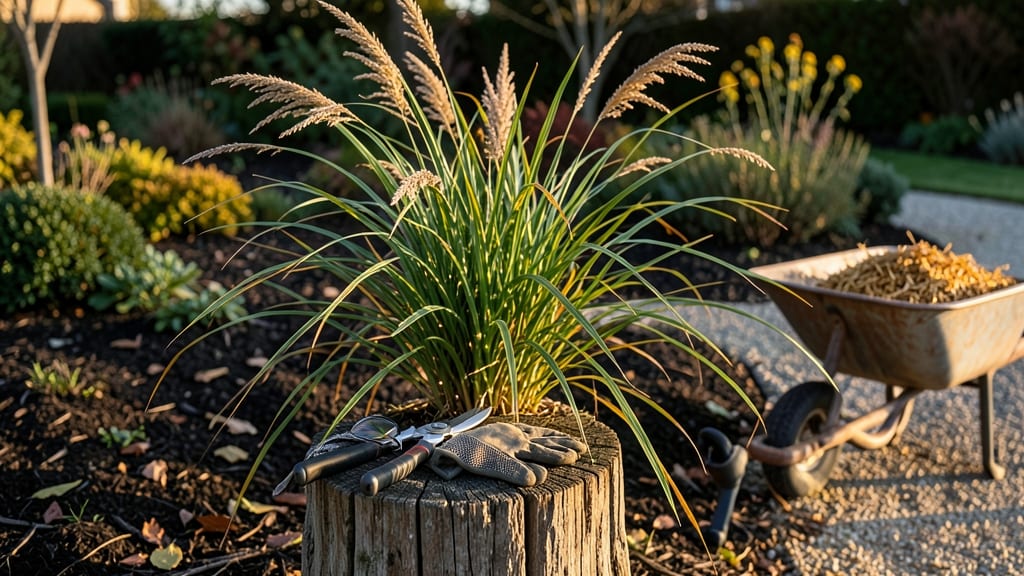
Cutting down ornamental grass wrong ruins its dramatic shape. ✂️ I’ve seen stunning clumps turned into sad, tangled messes after just one bad trim—don’t let that be you. The secret lies in timing, tools, and knowing exactly where to cut for that showstopping silhouette you love.
Most people wait until late winter when the grass is dormant, but that’s only half the story. If you’re in a mild climate, you can trim in early spring to encourage fresh growth. The key?
Never cut below the lowest 1/3 of the plant’s height—that’s where next year’s growth hides. And skip the lawnmower unless your grass is tall and thick; hand shears or a string trimmer give you cleaner, more controlled cuts.
After trimming, rake away debris to prevent rot and let sunlight reach the base. A properly cut clump will bounce back with denser growth and keep its elegant form all season. The difference between a thriving specimen and a floppy disappointment comes down to these simple steps.
For beginners, the biggest mistake is cutting too low or too late—both stunt growth. If your grass looks sad after trimming, it’s probably just adjusting. Give it a few weeks, and you’ll see those plumes and texture return stronger than ever.
📚 In This Guide
- What you need
- Instructions
- Tips and common mistakes
- Wrapping up and next steps
What you need
- ● Heavy-Duty Pruning Shears or Hedge Shears: Bypass blades (for clean cuts)
- ● Length: 6–12 inches (adjust based on grass height)
- ● Quantity: 1–2 pairs (depending on size of the area)
- ● Long-Handled Grass Shears or Loppers: Recommended for taller ornamental grasses (3–6 feet)
- ● Adjustable or bypass blades for precision
- ● Quantity: 1 (for larger patches)
- ● Sharp Pruning Saw (for thick stalks): Only needed if dealing with very thick ornamental grasses (e.g., Miscanthus)
- ● Tooth size: 7–9 teeth per inch
- ○ Quantity: 1 (optional but handy)
- ● Gloves (Heavy-Duty Gardening Gloves): Leather or reinforced fabric (protects from sharp edges and thorns)
- ● Quantity: 1 pair
- ● Knee Pads or Stool: For comfort during extended trimming sessions
- ○ Quantity: 1 (optional but recommended)
- ● Garden Twine or String (for marking): Useful for outlining shapes or sections before cutting
- ○ Quantity: Small spool (optional)
- ● Water Spray Bottle or Hose: Keeps blades sharp and dust-free during trimming
- ○ Quantity: 1 (optional but practical)
- ● Extension Pole Attachment: For shears/loppers to reach tall grasses without straining (e.g., 3–6 foot poles).
- ● Disinfectant Spray: Cleans tools between cuts to prevent disease spread (70% isopropyl alcohol works).
- ● Safety Goggles: Protects eyes from debris, especially when cutting dry or brittle stalks.
- ● Garden Bag or Bin: For collecting clippings (avoids scattering seeds or debris).
- ● Notebook & Pen: Jot down trimming schedules or notes on grass growth patterns.
Step-by-step instructions for cutting down ornamental grass
Ornamental grasses need strategic trimming to keep them healthy and looking their best. Here's how I approach it for a clean, season-long shape.
✂️ Step 1: Time Your First Cut for Late Winter or Early Spring
Wait until late winter or early spring when new growth begins but before the grass starts flowering—this is usually February to March in most climates. Cutting too early leaves the plant vulnerable to cold damage, while waiting too long risks disturbing emerging seed heads or new shoots.
Look for 2-4 inches of fresh green growth at the base of the clump. This signals the plant is waking up from dormancy and ready for its first haircut. If you see any brown seed heads still standing, leave them—they provide winter interest and protect the crown.
✂️ Step 2: Use the Right Tools and Technique for Clean Cuts
Grab your sharp pruners or hedge shears—dull blades tear the stems and leave jagged edges that invite disease. For larger clumps, a string trimmer with a grass-catching bag works best. Never use a lawnmower unless the grass is over 12 inches tall, as mowers can damage the crown.
Start by cutting back about one-third of the plant's height at a time. For example, if your grass is 3 feet tall, trim it down to 2 feet. This prevents shock and gives you control over the final shape. Work in sections if needed, especially for tall varieties like maiden grass or fountain grass.
✂️ Step 3: Shape for Seasonal Interest and Health
After the initial cut, step back and assess the plant's natural shape. Ornamental grasses often have movement and texture that you want to preserve. For upright varieties, leave the center taller and taper the sides slightly. For spreading types, like blue fescue, trim just enough to tidy up without losing their airy form.
If your grass has thickened over time, this is the time to thin out the center. Use pruners to cut away some of the oldest growth at the base—this encourages new, vigorous shoots. Just be careful not to remove more than 20% of the plant in one go, or you risk stressing it.
⏰ Step 4: Maintain Through the Growing Season
Once the initial trim is done, check your grasses every 4-6 weeks during the growing season. If they start to look unruly, trim just the tips to refresh the shape. Avoid cutting into the lower third of the plant, as this can expose the crown to sunburn and damage.
In late summer or early fall, you can give grasses a light trim to remove any dead or damaged foliage. This keeps them looking neat without disturbing the plant's natural cycle. Just avoid cutting back into old growth—this can leave the plant vulnerable to cold before winter.
✂️ Step 5: Prepare for Winter Dormancy
In late fall, after the first hard frost, leave the grasses standing unless they're completely unsightly. The dead foliage protects the crown from freezing temperatures and insulates the roots. If you must tidy up, cut back only the most unsightly parts, leaving at least 6 inches of stem to shield the base.
For very large clumps, you can bundle and tie them with twine to keep them neat, but avoid cutting until spring. The goal is to preserve the plant's energy for next year's growth. Once spring arrives, you'll be ready to repeat the process for another season of beautiful, healthy grasses.
Tips & tricks for perfect ornamental grass trimming
Here's what nobody tells you about keeping ornamental grasses looking their best without stressing the plants.
Timing is Everything: The February-to-March window for your first cut is non-negotiable. I learned this the hard way after trimming too early in January—my maiden grass took weeks to recover. Look for that 2-4 inches of fresh green growth as your green light. This growth signals the plant's energy has shifted from survival mode to growth mode, making it resilient enough to handle a haircut. If you're in a warmer climate, wait until after your last frost date to avoid cold damage.
Tool Selection Matters: Sharp pruners aren't just about clean cuts—they're about plant health. Dull blades crush stems instead of cutting cleanly, creating entry points for disease. For larger clumps, I recommend a string trimmer with a grass-catching bag—it's more efficient and reduces debris cleanup. Pro tip: Test your tools on a small section first to adjust to the plant's density. This helps you avoid over-trimming or creating uneven cuts that look unnatural.
Shape with Purpose: When you step back to assess your grass after the initial cut, think about its natural growth pattern. Upright varieties like fountain grass should maintain their vertical lines, while spreading types like blue fescue benefit from gentle shaping that preserves their airy texture. I like to imagine the plant's mature shape and trim accordingly. For thickened centers, remove no more than 20% of the oldest growth—this is enough to stimulate new growth without shocking the plant. Think of it as giving your grass a spa day rather than a drastic makeover.
Seasonal Maintenance Strategy: That 4-6 week check-in during the growing season is your secret weapon for effortless upkeep. Instead of thinking about trimming as a chore, treat it like a quick refresh—just trim the tips to maintain shape. I keep a small pair of hand pruners in my gardening caddy for these touch-ups. In late summer, focus on removing only dead or damaged foliage. This preserves the plant's natural cycle while keeping it looking tidy. The key is to work with the plant, not against it.
Pro Tips for Cut Down Ornamental Grass
- Here's what nobody tells you about keeping ornamental grasses looking their best without stressing the plants.
- Timing is Everything: The February-to-March window for your first cut is non-negotiable.
- Tool Selection Matters: Sharp pruners aren't just about clean cuts—they're about plant health.
Frequently asked questions
Got questions about trimming ornamental grass? You’re not alone!
Here are answers to the most common concerns—whether you’re a first-timer or a seasoned gardener looking for a refresher.
When is the best time of year to cut down ornamental grass?
The ideal time depends on your grass type and climate. For warm-season grasses (like fountain grass or maiden grass), wait until early spring before new growth starts. For cool-season grasses (like feather reed grass), trim in late winter or early spring. Never cut back in fall—this can damage dormant growth.
How short can I cut ornamental grass?
Leave at least 3–6 inches of growth—cutting too short can stress the plant or expose it to frost damage. For clumping grasses, trim selectively to maintain shape. If your grass is overgrown, cut back in stages over a few weeks to avoid shocking the plant.
What if my ornamental grass looks brown and dead after cutting?
Don’t panic! Many grasses turn brown in winter or drought, but they’ll often regrow in spring. If it’s truly dead (no green at the base), it may need replacement. For a quick fix, mulch around the base to protect roots and water lightly if your area is dry.
Can I use a regular lawnmower for ornamental grass?
A sharp lawnmower or hedge trimmer works for small patches, but for thick or tall grasses, a pruning shears or string trimmer is better. Avoid mulching mowers—they can clog with ornamental grass clippings. For large areas, consider a grass-specific trimmer or hire a landscaper.
How do I clean up after cutting ornamental grass?
Remove debris to prevent disease and pests. Rake or bag clippings (especially if the grass is diseased). For large piles, compost healthy clippings—just avoid woody stems. Pro tip: Leave some clippings as mulch around the base to retain moisture and nutrients!
Should I cut ornamental grass in winter?
Only if it’s completely dead or damaged by frost. Otherwise, leave it standing for winter interest and protection. If you must trim, do so after the first hard freeze but before spring growth. Never cut back in late fall—this can kill tender varieties.
Wrapping up and next steps
Cutting down ornamental grass doesn’t have to be daunting—with the right tools, timing, and technique, you can achieve a neat, season-long shape that enhances your landscape. Whether you’re trimming for aesthetics or health,
Ready to take the next step? Pick a calm day, gather your supplies, and start with just one section—progress builds confidence! For extra inspiration, browse before-and-after photos or join a local gardening group to share your results.