
Pruning
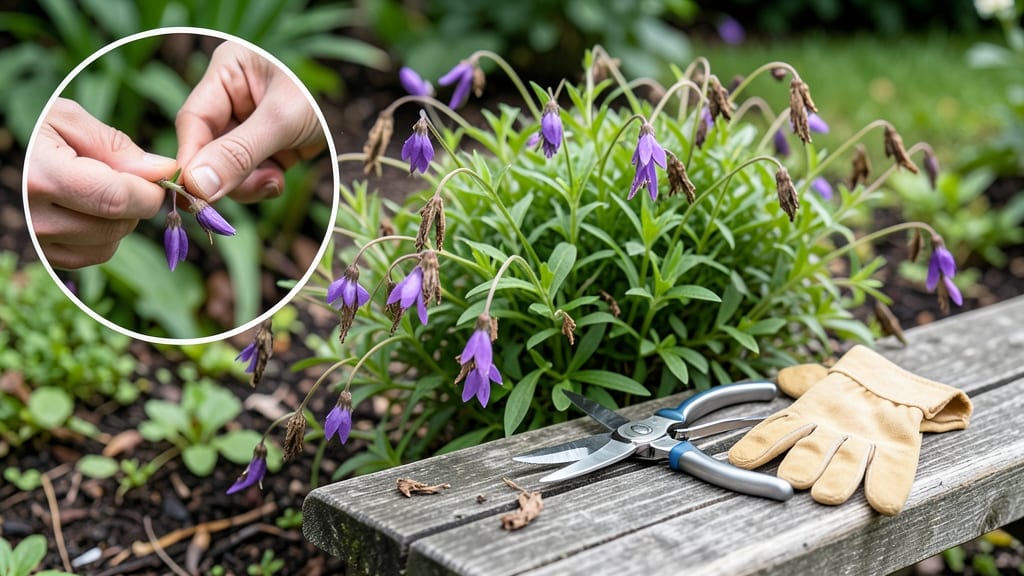
Deadheading spiderwort turns a single bloom into a bushy, flower-filled fountain. 🌿 I’ve watched this simple trim transform my garden’s edges from sparse to showstopping—no fancy tools or horticultural degree required.
The key is timing and technique, and once you master it, your plants will reward you with blooms that last all season.
You’ll need just three things: sharp pruners (or clean scissors), a sunny day after flowering, and about 10 minutes. The goal is to snip spent blooms at the base, just above the first set of healthy leaves.
This prevents seed formation and signals the plant to redirect energy into new growth. Most gardeners skip this step—don’t be one of them.
After deadheading, you’ll notice two things: first, fresh buds appear within weeks, and second, your plant fills out with lush foliage. The more you trim, the bushier it gets—imagine a spiderwort so dense it spills over containers like a waterfall.
It’s that satisfying. Just avoid cutting into the stem’s center; that’s where next year’s blooms hide.
Troubleshooting is easy: if blooms slow down, you’re either trimming too late (wait until flowers fade) or too aggressively (leave at least two leaves per stem).
For container plants, a quick rinse of your pruners between cuts keeps diseases at bay. Now grab those shears—your spiderwort’s second act is about to begin.
📚 In This Guide
- What you need
- Instructions
- Tips and common mistakes
- Wrapping up and next steps
What you need
- ● Pruning shears or sharp garden scissors – Choose bypass pruners (clean cuts) or small, sharp scissors for precision. (2–3 tools, depending on plant size)
- ○ Gloves (optional but recommended) – Protect your hands from thorns or rough stems. (Nitrile or leather garden gloves work best)
- ● Disinfectant (rubbing alcohol or bleach solution) – Clean tools between cuts to prevent disease spread. (70% isopropyl alcohol or 1 part bleach to 9 parts water)
- ● Trash bag or bucket – Collect spent blooms and debris for easy cleanup.
- ○ Water spray bottle (optional) – Mist plants after pruning to reduce stress.
- ● Timing – Deadhead spiderwort after blooms fade but before seed pods form (typically late spring to early summer).
- ● Weather check – Work on a dry, overcast day to avoid stressing the plant.
- ● Plant health – Ensure spiderwort is established and actively growing (avoid deadheading in dormancy).
Step-by-step instructions for deadheading spiderwort
Here's how I keep my spiderwort blooming all season long with minimal effort.
✂️ Step 1: Identify When to Deadhead
Deadhead spiderwort right after the flowers fade but before the seed pods form. You'll know it's time when the petals droop and turn brownish-purple—this usually happens 2-3 weeks after blooming. I always check my plants every 5-7 days during peak bloom season to catch the perfect moment.
If you wait too long and let seed pods develop, the plant diverts energy to seed production instead of new flowers. This is the moment that matters: trim before the seed head swells beyond the size of a pea.
✂️ Step 2: Use the Right Tools and Technique
Grab sharp, clean pruning shears or scissors—dull tools crush stems and invite disease. I like to sterilize my shears with rubbing alcohol between plants to prevent spreading any potential pathogens. Make your cut ¼ inch above the next set of leaves or where the stem meets the leaf node.
Never pull flowers by hand—this can rip leaves or damage the stem. A clean cut at the right angle ensures the plant can heal properly and keeps water from pooling on the cut surface. You'll see fresh, healthy growth emerge from that node within 7-10 days.
✂️ Step 3: Encourage Bushier Growth
After removing spent blooms, look for side shoots or lateral buds along the main stem. These are your plant's way of telling you where new growth will emerge. I pinch back any leggy stems that grow taller than 12 inches—this redirects energy to bushier, more compact growth.
Spiderwort responds beautifully to this pruning. You'll notice new shoots forming at the leaf nodes within 2-3 weeks, creating a fuller, more abundant plant. This is how I keep mine looking lush all season.
☀️ Step 4: Maintain After Deadheading
Water the plant at the base after deadheading to help it recover. Spiderwort prefers moderate moisture—about 1 inch of water per week—but never soggy soil. I check by sticking my finger 1 inch into the soil; if it feels dry, that's when I water.
Keep the plant in full sun to part shade—spiderwort thrives in 6+ hours of sunlight daily. You'll see new blooms emerging from the center of the plant within 3-4 weeks if you've given it the right care. This is the reward for your effort!
⏰ Step 5: Time Your Deadheading for Season-Long Blooms
For continuous blooms, deadhead every 2-3 weeks during the growing season. I start in early spring and continue until late summer, usually stopping by mid-September to let the plant prepare for dormancy. This keeps spiderwort producing fresh flowers instead of wasting energy on seed production.
Real talk: If you miss a deadheading cycle, don't stress. Spiderwort is forgiving—just trim the next faded bloom you see. The plant will still reward you with more flowers, though not quite as prolifically as when you stay on top of it.
Tips & tricks for perfect spiderwort maintenance
These little secrets will help you keep your spiderwort looking its best all season long.
Timing Secret: I've found that morning is the absolute best time to deadhead—it gives the plant a full day to recover before evening. The dew is still on the petals, making it easier to spot which blooms are ready for trimming. Plus, the cooler morning temperatures reduce stress on the plant after cutting. If you must deadhead in the afternoon, do it at least 4 hours before sunset to avoid shocking the plant.
Tool Strategy: Don't have pruners? A pair of clean kitchen scissors or even your fingers work in a pinch, but I recommend investing in small floral scissors for this job. They're lightweight, easy to handle, and you can keep them dedicated just for garden tasks. Just be sure to sterilize them with rubbing alcohol between uses—this prevents spreading disease between plants. I keep mine in a small jar with 70% isopropyl alcohol for quick sanitizing.
Growth Hack: Here's what nobody tells you—cutting back those leggy stems by one-third isn't just about looks. This pruning technique actually triggers the plant's dormant side buds to wake up and grow. I've seen spiderwort that was looking sparse transform into a bushy, vibrant plant within just two weeks after this step. The key is to make your cuts at a 45-degree angle just above a leaf node—this creates a larger surface area for new growth to emerge.
Seasonal Wisdom: Early summer is prime time for the bushier growth trim, but don't overlook fall maintenance. As blooms taper off in late summer, I do a final light trim to remove any brown or damaged foliage. This cleanup prevents pests from overwintering in your garden beds. I also reduce watering by about 20% in fall—just enough to keep the soil slightly moist but not soggy.
Pro Tips for Deadhead Spiderwort
- These little secrets will help you keep your spiderwort looking its best all season long.
- Timing Secret: I've found that morning is the absolute best time to deadhead—it gives the plant a full day to recover before evening.
- Tool Strategy: Don't have pruners?
Frequently asked questions
Got questions about deadheading your spiderwort? You’re not alone! Here are some of the most common queries—plus straightforward answers to keep your plants thriving.
When is the best time to deadhead spiderwort?
Deadhead spiderwort after the blooms fade but before seed pods form—typically in late spring through early summer. This encourages more flowers and prevents self-seeding. For continuous blooms, check plants weekly during peak flowering.
Do I need to sterilize my pruners between cuts?
Yes! Sterilizing pruners with rubbing alcohol or a 10% bleach solution (1 part bleach to 9 parts water) between plants prevents spreading diseases like fungal infections. Spiderwort is hardy, but prevention is always easier than treatment.
How often should I deadhead spiderwort?
For best results, deadhead regularly—every 5–7 days during the blooming season. This keeps the plant focused on producing new flowers instead of seeds. Over time, you’ll notice bushier growth and longer-lasting blooms.
What if I skip deadheading—will my spiderwort still grow?
Yes, but expect fewer flowers and more self-seeding. Without deadheading, energy goes into seed production, reducing blooms and potentially leading to overcrowding. It’s a trade-off—your spiderwort will survive, but it won’t thrive as much!
Can I use scissors instead of pruners for deadheading?
Sharp scissors or even clean nail clippers work great for small stems. Just ensure they’re clean to avoid snagging or tearing the delicate spiderwort foliage. Avoid dull tools—they can crush stems and invite pests.
Will deadheading spiderwort make it grow taller?
Not necessarily. Deadheading promotes bushier growth and more blooms, but spiderwort’s height is mostly genetic. To encourage height, focus on well-draining soil and full sun. Prune leggy stems in early spring to shape the plant.
Wrapping up and next steps
Deadheading spiderwort is a simple yet rewarding task that keeps your garden vibrant and thriving! By removing spent blooms regularly, you encourage longer flowering seasons and fuller, bushier plants—plus, it’s a great way to stay connected with your garden’s growth.
Now that you’re armed with the right tools and techniques, give it a try and enjoy the beauty of your spiderwort blooms all season long!
Ready to take your gardening skills to the next level? Experiment with other pruning techniques or explore companion plants that pair well with spiderwort—your garden will thank you! 🌸