
Flowers
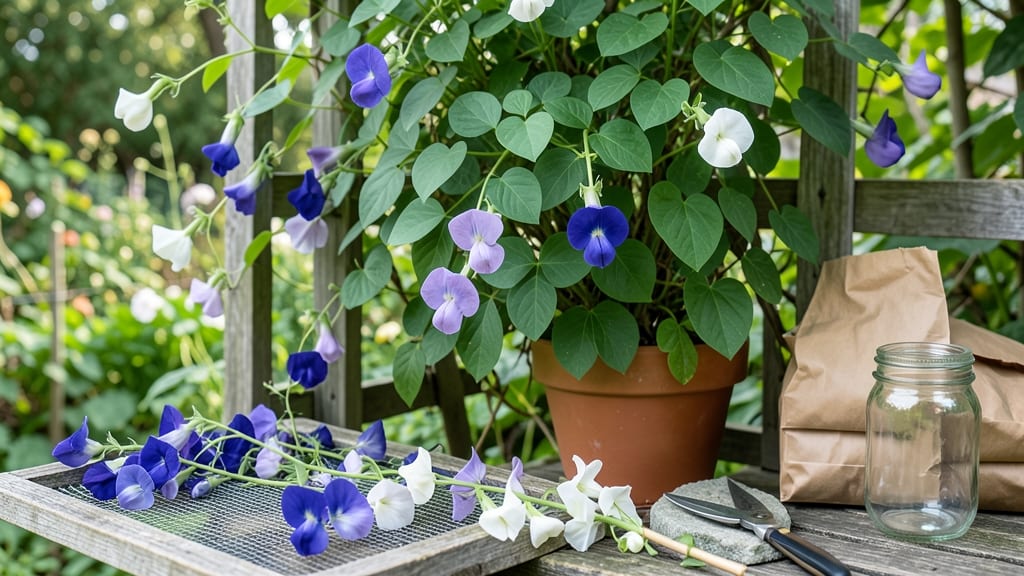
How to dry butterfly pea flower for tea turns your garden into a sunlit tea factory. 🌿 The secret to vibrant blue tea lies in how you dry these delicate blooms—too fast and they lose their magic, too slow and they spoil. I’ve dried hundreds of batches, and the right method makes all the difference between muddy tea and that stunning color shift you crave.
You’ll need just three things: fresh butterfly pea flowers (pick them on dry mornings), a clean, dry surface or low oven, and a breathable storage container. The process takes 3-5 days for air-drying or 1-2 hours in the oven, but timing matters more than speed.
Overdrying kills the color-changing compounds, while underdrying invites mold.
Once dried, you’ll have fragrant, deep-blue petals that transform into tea with just hot water. The first sip reveals their secret: a vibrant blue hue that fades to purple with lemon—nature’s mood ring in a cup.
Store them in an airtight jar away from light to keep that magic intact for months.
Grow your own for endless supply: these vines thrive in warm climates and climb like crazy. Just avoid rain before harvesting, and you’ll always have fresh petals ready to dry. The best part? Every batch tastes like summer, no matter the season.
📚 In This Guide
- What you need
- Instructions
- Tips and common mistakes
- Wrapping up and next steps
What you need
- ● Fresh butterfly pea flowers – Harvest at least 1 cup (about 100-150 blooms) at peak freshness (fully open, vibrant blue-purple petals). Pro tip: Pick them on a dry morning after dew has evaporated! 💡
- ● Clean, dry paper towels or parchment paper – A single sheet (12"x18") is perfect for laying out petals.
- ● Baking sheet or mesh drying rack – Use a standard 13"x18" baking tray (or a breathable screen rack for airflow). Avoid metal if drying in direct sun—opt for ceramic or wood.
- ● Air-dry method: A cool, dry, well-ventilated space (like a pantry or under a fan).
- ○ Optional: Paper clips or twine to secure petals loosely in small bundles (if hanging).
- ● Sun-dry method: A shady spot (direct sun can bleach the petals!). Use a lightweight cloth or cheesecloth to shield from harsh rays.
- ○ Oven or dehydrator (optional but faster) – Set to 160°F (70°C) or lower to preserve color and antioxidants.
- ● If using a dehydrator, ensure it has gentle airflow settings.
- ● Air-tight storage containers – Glass jars with tight lids (like 8-oz mason jars) or food-grade plastic bags with zip locks.
- ○ Food-safe essential oils – A drop of lavender or citrus oil (optional) to enhance aroma during drying.
- ● Silica gel packets – Place 1-2 packets in the storage jar to absorb moisture and extend shelf life.
- ● Labeling supplies – Masking tape + marker to note the drying date (flowers last 6-12 months when stored properly!).
Step-by-step instructions for drying butterfly pea flowers for tea
Transform fresh butterfly pea blossoms into vibrant tea with this simple, sun-powered method.
🌿 Step 1: Harvest Flowers at Peak Freshness
Pick flowers on a dry morning when petals are fully open but still crisp—this is when their color-changing magic is strongest. Avoid wilted blooms or those with brown edges, as they won’t dry evenly. I harvest just the flower heads (not stems) and gently shake off any insects or debris. The goal is to preserve that bright blue-purple hue that turns tea a mesmerizing shade.
Work quickly—once picked, flowers lose their vibrant color within hours. Place them in a single layer on a clean, dry surface (like a baking sheet or tray) to prevent crowding. Overlapping petals traps moisture and breeds mold, so spread them out with space between each bloom.
☀️ Step 2: Dry Under Direct Sunlight
Find a spot with bright, indirect sunlight—like a covered patio or shaded balcony—where flowers get 4-6 hours of gentle warmth daily. Direct midday sun can bleach the petals, dulling their color-changing properties. I use a mesh screen or cheesecloth to cover the tray if wind threatens to scatter them.
Turn the flowers every 2-3 hours to ensure even drying. You’ll know they’re ready when petals become crisp to the touch and easily crumble between your fingers. This usually takes 3-5 days, depending on humidity. If rain is forecast, bring them indoors to finish drying under a fan.
⏰ Step 3: Store Properly for Long-Lasting Color
Once fully dry, remove any remaining stems or green parts—they can turn bitter in tea. Store petals in an airtight glass jar (like a mason jar) away from light and heat. A dark cupboard or pantry works best to preserve their vibrant hues. Label the jar with the drying date, as freshness fades after 6-8 months.
For tea, use 1-2 teaspoons of dried petals per cup of hot water. Steep for 5-10 minutes—the longer they sit, the deeper the blue they’ll turn when lemon or baking soda is added. I keep a small jar on my counter as a daily reminder of how simple nature’s magic can be.
💧 Step 4: Revive Dried Petals for Repeated Use
If petals lose their color after brewing, don’t toss them! Spread them on a tray under sunlight for 1-2 hours to revive their vibrancy. This trick works 2-3 times before they’re truly spent. I’ve reused dried petals for months this way, extending their tea-making life.
For extra potency, crush dried petals lightly with a mortar and pestle before steeping—this releases more flavor and color. Just avoid grinding them into a powder, as it can make tea bitter. Store revived petals back in the jar until your next cup.
Tips & tricks for perfect butterfly pea flower tea
Here's what nobody tells you about preserving those stunning blue hues—simple tricks that'll make all the difference.
Harvesting Timing: I can't stress this enough—pick your flowers between 8-10 AM when dew has evaporated but heat hasn't peaked. This golden window captures the most vibrant color. I've ruined batches by picking too late in the day when petals start wilting, even if they look fresh. The earlier you harvest, the more intense that blue-purple hue will be when dried.
The Drying Secret: That 4-6 hours of indirect sunlight is crucial, but here's the trick: if you're in a humid climate, extend drying to 6-8 hours by placing a small fan nearby. Humidity slows evaporation, and damp petals develop mold. I've learned this the hard way after finding fuzzy growth on my carefully dried flowers! The fan creates gentle airflow without disturbing the petals.
Storage Wisdom: Don't underestimate the importance of that airtight glass jar. I once stored dried petals in a plastic container and noticed the color faded within weeks. Glass preserves the vibrant hues for the full 6-8 months—just make sure to keep it completely sealed. For extra protection, place a small piece of dried lavender in the jar alongside the petals; it naturally repels moisture and adds a subtle fragrance to your tea.
Reviving Trick: When you spread dried petals for 1-2 hours to revive them, place them on a tray lined with parchment paper. This prevents any residual moisture from sticking to surfaces. I've also found that reviving works best on cloudy days—direct sun during revival can bleach the petals. Think of it as a gentle "second chance" for your tea leaves!
Pro Tips for Dry Butterfly Pea Flower For Tea
- Here's what nobody tells you about preserving those stunning blue hues—simple tricks that'll make all the difference.
- Harvesting Timing: I can't stress this enough—pick your flowers between 8-10 AM when dew has evaporated but heat hasn't peaked.
- The Drying Secret: That 4-6 hours of indirect sunlight is crucial, but here's the trick: if you're in a humid climate, extend drying to 6-8 hours by placing a small fan nearby.
Frequently asked questions
Got questions about drying butterfly pea flowers for tea? You’re not alone—here are some of the most common ones, answered for you!
How long does it take to dry butterfly pea flowers completely?
Drying time depends on your method. Sun-drying typically takes 3–7 days (depending on humidity), while oven-drying takes about 2–4 hours at 170°F (75°C). Flowers are ready when they’re crisp, brittle, and lose their vibrant color (they’ll turn dull brown or gray). Test by crushing a few—if they crumble easily, they’re done!
Can I dry butterfly pea flowers too quickly, and will it ruin the tea?
Yes, but it’s fixable! Over-drying (e.g., high heat or too long in the sun) can make flowers brittle or lose flavor. If this happens, store them in an airtight container and use them within a few months—they’ll still work for tea, though texture may be less ideal. For best results, monitor them daily and remove them from direct sunlight before they bleach.
Is sun-drying better than oven-drying? What are the pros and cons?
| Method | Pros | Cons |
|---|---|---|
| Sun-Drying |
|
|
| Oven-Drying |
|
|
Pro tip: If you’re short on time, use the oven on low heat (170°F/75°C) with the door slightly open to prevent moisture buildup.
What if my flowers mold or smell bad during drying?
Mold or funky smells usually mean excess moisture or poor airflow. To fix it:
- Spread flowers in a single layer with space between them.
- Use a fan or dehumidifier if sun-drying in humid climates.
- If mold appears, discard the batch—it’s unsafe for tea.
Prevent it by drying in a cool, dry, well-ventilated spot (like a mesh screen or drying rack).
Can I use dried butterfly pea flowers for anything other than tea?
Beyond tea, dried butterfly pea flowers are versatile:
- Natural dye: Steep in hot water for blue/purple hues (great for fabrics, icing, or cocktails!).
- Garnish: Sprinkle on desserts or savory dishes for a pop of color.
- Infused oils/vinegars: Mix with olive oil or apple cider vinegar for a floral twist.
- DIY bath salts: Combine with Epsom salt for a relaxing, aromatic soak.
Fun fact: The flowers change color with pH—add lemon juice for blue, baking soda for purple!
Wrapping up and next steps
Drying butterfly pea flowers for tea is a simple yet rewarding process that unlocks their vibrant blue magic and soothing benefits. Whether you’re preserving a summer harvest or experimenting with natural dyes, following these steps ensures your petals stay fresh and potent.
Now that you’re equipped with the know-how, why not brew your first batch today? 🌿✨
For extra inspiration, explore recipes—like butterfly pea flower lattes or pH-changing lemonades—to turn your dried flowers into delicious creations! Happy drying, and may your tea be as enchanting as the petals themselves.