
Flowers
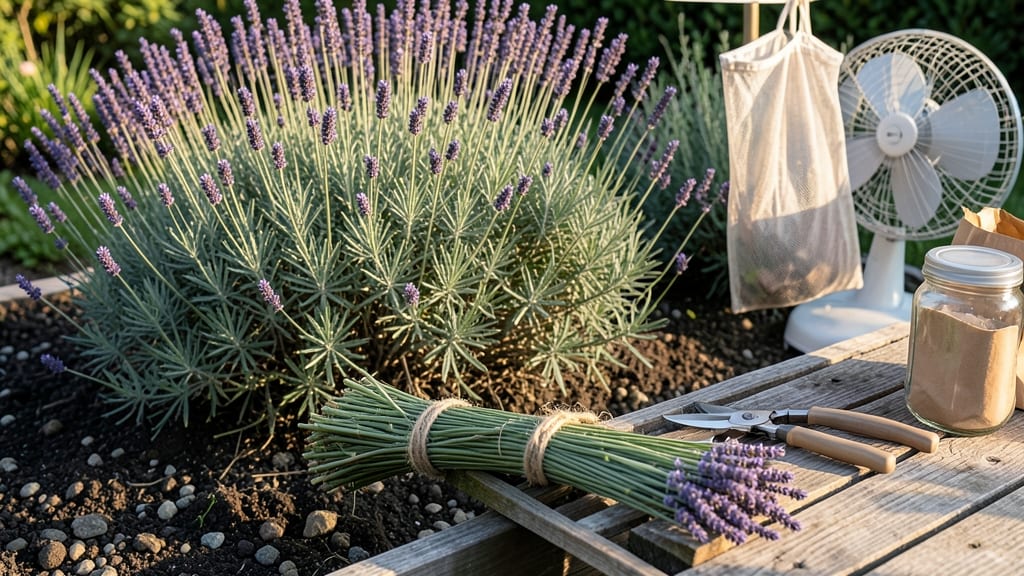
Drying lavender quickly preserves that sweet, heady fragrance you love—no more waiting weeks for bundles to cure. 🌿 The secret lies in timing: harvest when buds are just beginning to open, then bundle stems and dry them fast using sunlight, a dehydrator, or even the microwave.
I’ve perfected this method after years of impatiently waiting for lavender to dry slowly, and trust me, the difference is night and day.
You’ll need just a few simple supplies: fresh lavender stems, rubber bands or twine, and either a sunny spot, a dehydrator, or a microwave-safe container. The key is speed—lavender dries best when exposed to consistent warmth without wilting.
Whether you’re drying a small batch for sachets or a larger harvest for potpourri, this method keeps the color vibrant and the scent strong for months.
Within 24 hours, you’ll have fragrant, fully dried lavender ready for sachets, wreaths, or homemade crafts. The buds stay plump, the stems crisp, and the aroma lingers like a summer breeze. No more musty, dull-smelling lavender—just pure, potent fragrance that makes your home feel like a Mediterranean retreat.
This method works for both gardeners and crafters, whether you’re drying lavender in your backyard, on a windowsill, or even in a small apartment kitchen. The best part? You can adjust the technique based on what you have available—no fancy equipment required. Let’s get those bundles drying!
📚 In This Guide
- What you need
- Instructions
- Tips and common mistakes
- Wrapping up and next steps
What you need
- ● Fresh lavender stalks: Harvest stems with at least 4-6 inches of length and fully open buds (avoid wilted or overripe flowers). Aim for 10-20 stalks per bundle for optimal airflow.
- ● Rubber bands or twine: Use thick, natural twine (3-4mm) or elastic rubber bands to secure bundles tightly without crushing stems.
- ● Scissors or pruning shears: Sharp, clean tools to trim stalks to your desired length (avoid dull blades that crush stems!).
- ● Drying location: Outdoor option: A shady, well-ventilated porch, balcony, or garage with no direct sunlight (to prevent fading). Use a drying rack or mesh screen to elevate bundles.
- ● Indoor option: A cool, dark, and dry space (like a closet with a fan) with humidity below 50%.
- ● Paper bags or breathable containers: Brown kraft paper bags (with holes punched in) or glass jars with lids for storage once dried.
- ● Drying screen or mesh rack: Elevates bundles 6+ inches off the ground for better airflow (DIY with a wooden frame and window screen).
- ● Dehumidifier or fan: Speeds up drying in humid climates by circulating air around bundles.
- ● Food dehydrator: Set to 95°F (35°C) for 2-4 hours if you’re in a rush (great for rainy days!).
- ● Labeling tags: Write the harvest date on bags/jars to track freshness.
Step-by-Step instructions for drying lavender in sunlight
Harvest lavender at peak bloom, then dry it fast—here’s how to preserve that signature scent and color without waiting weeks.
🌿 Step 1: Harvest Lavender at the Right Stage
Pick lavender when 70-80% of buds are open but before flowers fully fade—this ensures maximum oil retention and vibrant purple hues. Use sharp pruning shears to cut stems 4-6 inches long just above a leaf node. Avoid harvesting after rain or in the heat of midday, as moisture and wilting accelerate mold risk.
I always harvest in the early morning when dew has evaporated but temperatures are still cool. Bundle stems in small groups of 5-7 stems each and secure with twine or rubber bands. Tight bundles dry faster and prevent stems from flopping over during the process.
☀️ Step 2: Hang Bundles in Bright, Moving Air
Select a location with direct sunlight for 6-8 hours daily and gentle airflow—like a covered porch or carport. Avoid enclosed spaces where humidity builds up, as trapped moisture causes buds to turn brown or develop mildew. I hang bundles upside down from a clothesline or sturdy hook, spacing them 2-3 inches apart so air circulates freely.
Watch for the first signs of drying: the buds should feel papery when gently squeezed, and stems will snap cleanly when bent. If you’re in a humid climate, move bundles indoors to a dry, shaded area overnight to prevent nighttime condensation. Complete drying typically takes 1-2 weeks in ideal conditions.
⏰ Step 3: Test for Full Dryness Before Storage
When buds crumble easily between your fingers and stems break with a crisp snap, lavender is fully dried. Run your thumb along a stem—if no green leaves remain and the wood feels dry to the touch, it’s ready. I test a few stems from each bundle before removing all from the line to avoid over-drying, which can make buds brittle and prone to crumbling.
Remove any remaining leaves or discolored buds with your fingers or a small brush. Store dried lavender in an airtight container, like a glass jar with a lid, in a cool, dark place. Properly dried lavender retains its scent and color for 1-2 years—the reward for your patience.
💧 Step 4: Speed-Dry with Optional Heat (For Faster Results)
If you’re short on time, place bundles in a low-heat oven (180-200°F) for 1-2 hours with the door slightly ajar to allow moisture to escape. Never use high heat—it burns the oils and turns buds bitter. Alternatively, use a dehydrator set to 95°F for 2-3 hours, flipping bundles halfway through for even drying.
Monitor closely to avoid over-drying. Heat-drying is fastest but requires vigilance—check every 30 minutes after the initial hour. Once dried, let bundles cool completely before storing to prevent condensation from forming inside containers.
Tips & tricks for perfect dried lavender
Here's what I learned after drying lavender the hard way—these tricks will help you preserve that vibrant purple and intoxicating scent without the usual wait.
Timing Secret: The 6-8 hours of daily sunlight in Step 2 is non-negotiable for color preservation, but don't let humidity derail you. If your climate is damp, bring bundles indoors overnight to a dry, shaded spot—this prevents that dreaded brown discoloration that ruins the aesthetic. I've seen lavender go from perfect purple to sad brown overnight when left outside in humid conditions.
Harvesting Precision: That 70-80% bud openness in Step 1 isn't just arbitrary—it's when the essential oils are at peak potency. Harvest too early and you lose flavor; too late and buds turn brown. I use a small magnifying glass to check bud development when in doubt. Also, always cut stems at a 45-degree angle just above a leaf node—this creates a larger surface area for water absorption during drying.
Heat Control: When using the optional oven method in Step 4, that 180-200°F range is critical. Too hot and you'll burn the delicate oils that make lavender so fragrant. I place a small bowl of water in the oven with the bundles to add moisture to the air—this helps prevent over-drying. And never skip the door-propping open—it's the only way to let moisture escape properly.
Storage Wisdom: The 1-2 year shelf life mentioned in Step 3 only applies if you store lavender properly. I like to add a bay leaf or two to my storage jars—it enhances the aroma without altering the lavender's properties. For long-term storage, consider vacuum-sealing dried lavender to preserve maximum fragrance for that full two-year window.
Pro Tips for Dry Lavender Quickly
- Here's what I learned after drying lavender the hard way—these tricks will help you preserve that vibrant purple and intoxicating scent without the usual wait.
- Timing Secret: The 6-8 hours of daily sunlight in Step 2 is non-negotiable for color preservation, but don't let humidity derail you.
- Harvesting Precision: That 70-80% bud openness in Step 1 isn't just arbitrary—it's when the essential oils are at peak potency.
Frequently asked questions
Got questions about drying lavender fast?
Here are answers to the most common ones—so you can skip the guesswork and get that fragrant, perfect lavender in no time!
How long does it take to dry lavender in the sun?
Sun-drying lavender typically takes 2–5 days, depending on humidity and weather. On hot, dry days (70°F+), bundles dry in 24–48 hours. If it’s cloudy or damp, extend drying time to 5–7 days. Check daily—lavender is ready when stems snap easily and leaves crumble.
Can I speed up drying lavender indoors?
Yes! Use a fan or dehydrator to cut drying time. Hang bundles near a gentle heat source (like a sunny window with a fan) or set your dehydrator to 95°F (35°C) for 2–4 hours. Avoid direct heat—it can burn the flowers. Pro tip: Flip bundles halfway for even drying!
What if it rains while drying lavender?
Don’t panic! Move bundles to a dry, dark, well-ventilated spot (like a closet or garage) immediately. If they’re partially damp, spread them out to air-dry for 1–2 extra days. Avoid rewetting—this risks mold. If mold appears (fuzzy spots), discard the batch and try again with fresher flowers.
Can I dry lavender without tying bundles?
Try these no-bundle methods:
- Single-stem drying: Hang stems upside down in a dry, dark place (like a hanger or jar lid). Takes 3–5 days.
- Screen method: Lay stems on a wire mesh screen in sunlight for 2–3 days, flipping daily.
- Oven trick: Place stems on a baking sheet at 200°F (93°C) for 1–2 hours (check frequently!).
Loose drying works but may scatter petals—bundles keep everything intact!
How do I know lavender is fully dried?
Test for doneness with these 3 checks:
- Stem snap: Break a small stem—it should snap cleanly (not bend).
- Leaf crumble: Rub a leaf between fingers—it should crumble into powder.
- No moisture: No dampness when you squeeze the stem.
If it passes all three, your lavender is perfectly dried and ready for storage!
Wrapping up and next steps
Drying lavender quickly isn’t just about patience—it’s about harnessing the right techniques to preserve its vibrant color, fragrance, and therapeutic benefits. Whether you’re bundling stems, using a dehydrator, or leveraging sunlight, these methods ensure your lavender stays fresh and aromatic for months.
Now that you’re equipped with the know-how, why not turn your dried lavender into sachets, potpourri, or even homemade remedies? Your garden (and your senses) will thank you!
🌿 Next step: Grab those bundles, experiment with your favorite method, and enjoy the soothing rewards of your hard work!