
How To
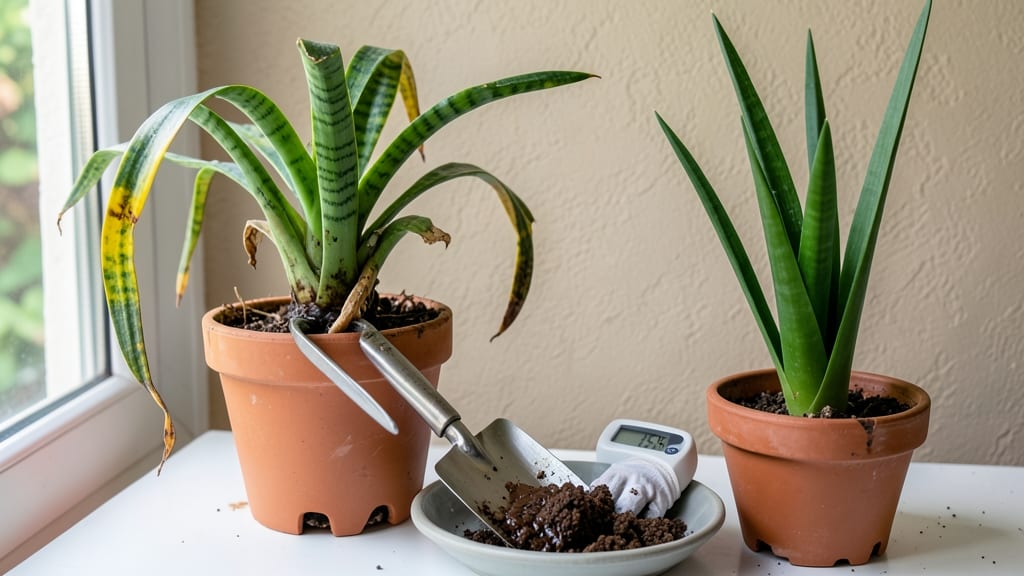
Your plant's drooping leaves and mushy stems are screaming for help—how to dry out an overwatered plant is your first line of defense, because root rot spreads faster than you think. 🌱 The good news? You can still save it with quick action.
I've nursed back more plants than I'd like to admit, and the key is acting fast before the roots turn to mush. Start by checking soil moisture—if it's soggy, your plant is drowning.
Gently remove it from the pot, trim any black, mushy roots with clean scissors, and let the roots air-dry for 24-48 hours. This might feel brutal, but it stops the rot from spreading. After drying, repot in fresh, well-draining soil and a pot with drainage holes.
Water lightly only when the top inch feels dry. You'll see new growth within 2-4 weeks if the roots are still healthy underneath. Prevent future disasters by using pots with drainage, checking soil moisture before watering, and choosing plants that match your watering habits.
Confession: I still overwater sometimes—it's a work in progress for all of us!
📚 In This Guide
- What you need
- Instructions
- Tips and common mistakes
- Wrapping up and next steps
What you need
- ● Well-draining potting mix: 1 bag (or enough to repot your plant). Look for a blend labeled "well-draining" or "cactus/succulent mix" if your plant prefers drier soil (e.g., African Violet, Snake Plant).
- ● Clean pot: 1 pot with drainage holes (slightly larger than the current one, if repotting). Size should fit the plant’s root ball with ~1 inch of space around the edges.
- ● Perforated tray or saucer: 1 (to catch excess water and improve airflow).
- ● Watering can or spray bottle: 1 (for controlled hydration). A spray bottle with a fine mist works best for sensitive plants.
- ● Pruning shears or scissors: 1 pair (sterilized with rubbing alcohol).
- ○ Houseplant fertilizer (optional but helpful): 1 bottle (half-strength, diluted per package instructions). Use a balanced liquid fertilizer (e.g., 10-10-10 or 20-20-20).
- ● Paper towels or paper napkins: A few sheets (for blotting excess moisture).
- ● Rooting hormone: 1 small tube (speeds up recovery for severely damaged roots).
- ● Moisture meter: 1 (to monitor soil dryness accurately).
- ● Grow lights or sunny windowsill: Access to bright, indirect light (6+ hours/day).
- ● Hydrogen peroxide (3%) or cinnamon powder: A few drops or a pinch (natural fungicides to prevent rot).
Step-by-Step instructions for reviving overwatered plants
Here's how I rescue soggy plants—fast. These steps work for houseplants, container gardens, and even wilting patio favorites.
💧 Step 1: Stop Watering Immediately
First rule: No more water. Cut off the tap completely until you've drained excess moisture. I know it feels counterintuitive—plants look thirsty—but forcing more water in now just accelerates root rot. Check the soil with your finger: if it feels cold, heavy, or gives off a musty smell, that's your signal to pause.
Move the plant to a dry spot away from direct sunlight. Bright light can stress already-compromised roots, while shade gives them time to recover. Place it near a fan if possible—gentle airflow helps evaporate surface moisture faster. You'll see progress within 24 hours if the plant was only mildly overwatered.
✂️ Step 2: Remove the Plant and Check Roots
Gently tip the plant out of its pot and inspect the roots. Healthy roots are firm and white, while rotten ones are mushy, brown, or black. Use sterilized scissors to trim away any slimy or darkened sections—this prevents the rot from spreading. I always clean my tools with rubbing alcohol between cuts to avoid cross-contamination.
If the root ball is completely saturated, wrap it in an old towel and press gently to absorb excess moisture. Don't squeeze hard—you want to encourage drainage, not compress the roots further. For severely waterlogged plants, I sometimes leave them wrapped in the towel overnight to pull out more water before replanting.
🪴 Step 3: Repot in Fresh, Dry Soil
Use a clean pot with drainage holes—no exceptions. Fill the bottom with a layer of sterile potting mix (never garden soil) mixed with perlite or sand for better drainage. I like to add a handful of orchid bark to the mix for extra aeration. The goal is soil that feels like a damp sponge, not a wet rag.
Plant the roots just as they were in the old pot—don't bury them deeper than they were before. Press the new soil lightly around the edges to secure the plant. Place the pot in a shallow tray to catch any initial drainage, but empty it immediately after watering. Wait 3-5 days before watering again, even if the plant looks droopy.
☀️ Step 4: Adjust Care Routine to Prevent Recurrence
Now's the time to change how you water. Stick your finger 1 inch into the soil—if it feels dry, water lightly. If it's still damp, wait another day. I use a moisture meter for fussy plants, but even a simple toothpick test works: push it in and pull out. If it comes out clean, it's time to water.
Consider upgrading to a pot with better drainage or adding a self-watering reservoir with a moisture sensor. Group plants with similar water needs together, and avoid saucers that trap excess water. You'll notice new growth within 2-4 weeks if the roots were salvageable—look for fresh leaves at the stem's base as your reward.
⏰ Step 5: Monitor and Be Patient
Watch for signs of recovery: firm stems, new leaf growth, and a return to the plant's usual color. If yellow leaves persist, they're likely dead and can be trimmed off. Avoid fertilizing for at least 4-6 weeks—roots need time to heal, and fertilizer can burn them further.
If the plant shows no improvement after 2 weeks, it may be too far gone. But don't give up—some plants like pothos or snake plants can bounce back surprisingly fast. I've revived plants that looked completely dead with just these steps, so keep hope alive and stay consistent with the new care routine.
Tips & tricks for perfect plant revival
Real talk: I've watched plants go from thriving to tragic in a week—usually because of one thing. Here's how to give your soggy plants a fighting chance.
Root Inspection Tip: When you're checking roots in Step 2, pay special attention to the smell. Healthy roots have a fresh, earthy scent—rotten ones smell like wet cardboard or vinegar. This is your best early warning system before you even see the brown. I've saved plants just by catching that smell first, even when the roots looked okay at first glance.
Drainage Upgrade: In Step 3, if you don't have perlite, crushed gravel works just as well for drainage. The key is creating air pockets in that bottom layer—think of it like giving your roots a breath of fresh air. For container plants, I even drill extra drainage holes in the bottom if the pot only has one or two. More holes mean less risk of future waterlogging.
Recovery Timeline: That 24-hour progress window in Step 1 is your first real sign of hope. If you see leaves perk up even slightly within that time, your plant is responding. For tougher cases, I've seen dramatic turnarounds in 3-5 days after repotting—just keep the environment stable and patient. The 2-4 week growth window in Step 4 is when you'll see the real magic happen if the roots were salvageable.
Pro Tips for Dry Out Overwatered Plant
- Real talk: I've watched plants go from thriving to tragic in a week—usually because of one thing.
- Root Inspection Tip: When you're checking roots in Step 2, pay special attention to the smell.
- Drainage Upgrade: In Step 3, if you don't have perlite, crushed gravel works just as well for drainage.
Frequently asked questions
How long does it take for an overwatered plant to dry out?
Drying time depends on the plant type, pot size, and environmental conditions. Most plants take 3–7 days to recover if you stop watering and improve drainage. Monitor the soil—it should feel dry 1–2 inches down before watering again. Patience is key!
Can I speed up the drying process?
Yes! Place the plant in a bright, indirect light spot with good airflow (like a fan on low). If the pot is heavy, swap it for a terracotta or perforated container to help moisture escape faster. Avoid plastic pots—they trap humidity.
What if my plant’s leaves are yellow and mushy?
Yellow, mushy leaves signal root rot, which is serious but not always fatal. Trim the damaged leaves with clean scissors, repot in fresh, dry soil, and let the roots air-dry for 24 hours. If the roots smell foul or are black/slimy, prune them before replanting.
Should I water my plant after drying it out?
Only water once the soil is completely dry (stick your finger in—if it’s bone-dry, it’s ready). Start with a light sip of water and wait 2–3 days to see how the plant responds. Overwatering again is the #1 mistake—go slow!
What if my plant doesn’t recover after drying?
If your plant stays limp, drops leaves, or refuses to bounce back after 2 weeks, it may be too far gone. Don’t feel guilty—sometimes plants reach the end of their life cycle. Use it as compost or start fresh with a hardier variety next time!
Wrapping up and next steps
Reviving an overwatered plant is totally doable—you’ve got this! 🌱 By acting fast with proper drainage, adjusting watering habits, and giving your plant some breathing room, you can often turn things around.
Remember, patience and consistency are key; don’t rush the process, and trust that your green friend will bounce back with the right care.
Now that you’re armed with the know-how, take the next step: check your plant’s progress daily and tweak your routine as needed. Soon, you’ll be a pro at keeping your plants happy and thriving—one happy leaf at a time! 🌿